China Best Wood Veneer Paneling Walls for Your Next Project?
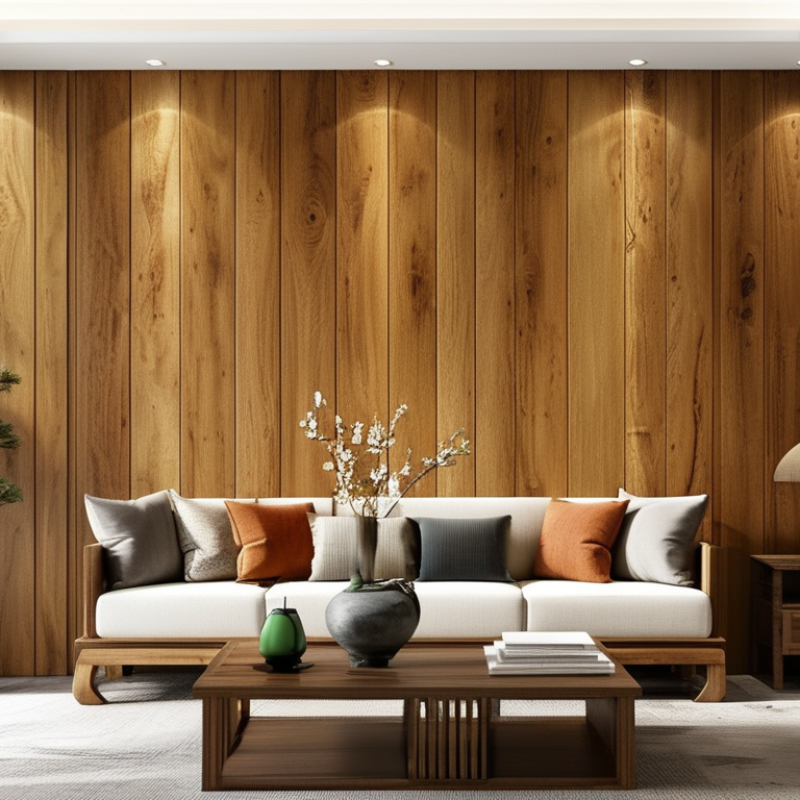
Are you planning a new project? Consider using wood veneer paneling walls. These panels offer both beauty and functionality. Wood veneer brings a natural warmth to any space. The textures and grains create an inviting atmosphere.
Choosing the right veneer can be challenging. Not all wood types are created equal. Each species brings its own character and aesthetic. Some may wear better over time. Others may require more maintenance. Understanding these nuances is essential for your project's success.
In conclusion, wood veneer paneling walls can enhance your interior. They are versatile and suitable for various styles. However, careful selection is crucial to achieve the desired effect. Dive into this guide to explore your best options.
China's Top Wood Veneer Types for Paneling Walls
When it comes to choosing wood veneer for paneling walls, several types from China stand out.
Bamboo veneer is popular for its eco-friendliness and unique aesthetics.
It offers a modern look that's versatile for various interior designs.
Another great option is oak veneer. Known for its strength, oak veneer provides a classic, timeless appearance.
It can complement both traditional and contemporary styles beautifully.
Walnut veneer is another contender. Its rich dark tones add warmth and luxury to any space.
This type of veneer can create an inviting atmosphere, making it perfect for living rooms or study areas.
Each veneer type comes with its own characteristics and grain patterns.
It's essential to choose one that aligns with your project needs and personal style.
Tips for Selection: When choosing veneer, examine the grain patterns closely.
Small imperfections can add character to the design. Don't overlook the finish, as it can change the visual impact of the wood.
Make sure to consider the room's lighting. It can drastically affect how the veneer appears in different spaces.
Advantages of Using Wood Veneer for Interior Design
Wood veneer has gained traction in interior design, especially for wall paneling. Its appeal lies in its versatility and aesthetic charm. According to a 2022 report by the U.S. Wood Products Manufacturers Association, wood veneer panels can reduce material costs by up to 30% compared to solid wood. This affordability makes it a favorite among designers trying to stay within budget.
The lightweight nature of wood veneer also offers practical advantages. It is easier to install, leading to reduced labor costs. Many professionals noted that well-installed veneer can mimic the look of solid wood very closely. However, challenges remain. Some types of wood veneer may warp or crack if not properly cared for. This risk requires careful selection and maintenance.
Moreover, using wood veneer in design enhances indoor air quality. The Natural Resources Defense Council highlights that natural wood materials can help reduce indoor pollutants. Still, one must consider sourcing responsibly. The environmental impact of wood harvesting remains a concern, necessitating sustainable practices in the industry. Balancing aesthetics, cost, and sustainability can be complex yet rewarding.
Selecting the Best Veneer Thickness for Your Project
Choosing the right veneer thickness for your project is crucial. A veneer thickness of 0.1 inches is often sufficient for decorative applications. Thicker veneers, around 0.25 inches, provide more durability. These thicker options are more resistant to wear and tear. However, they can be heavier and require a stronger base.
Consider the overall design of your space. A delicate look can be enhanced by thinner veneers, while thicker options can impart a sense of luxury. It’s essential to balance aesthetics with functionality. Some projects may benefit from a mix, using both thicknesses in different areas.
Pay attention to the installation process as well. Thicker veneers might need specialized tools. This could lead to higher costs and extended timeframes. Reflecting on the veneer type helps in ensuring longevity. Each choice impacts the final appearance and durability. Take the time to weigh these factors before making a decision.
Wood Veneer Panel Thickness Comparison
Sourcing Quality Wood Veneer Panels in China
Sourcing wood veneer panels in China has become increasingly popular among architects and designers. The country boasts a wide variety of high-quality products. According to market research, China's wood veneer production accounts for over 40% of the global supply. This impressive statistic highlights the country's leading role in the industry.
When sourcing, consider the types of wood available. From walnut to oak, each species offers unique aesthetic and functional qualities. Quality checks are essential. Reports suggest that nearly 25% of imported wood products fail to meet international standards. This emphasizes the need for reliable suppliers with good manufacturing practices.
Not all vendors uphold the same quality control measures. It’s crucial to do thorough research. Communicating directly with manufacturers can provide insights into their production processes. Many suppliers lack transparency, which can lead to challenges in quality assessment. Building a solid relationship with trustworthy suppliers may involve overcoming initial hurdles, but it ensures better long-term outcomes.
Installation Tips for Wood Veneer Paneling on Walls
When considering wood veneer paneling for your walls, installation is crucial. Proper preparation ensures a durable and attractive finish. The substrate must be clean and dry. According to industry reports, over 40% of installation failures stem from inadequate surface preparation. This statistic highlights the importance of a thorough inspection before starting your project.
Use high-quality adhesive specifically designed for veneer panels. Apply it evenly for optimal adhesion. A study by the Wood Products Council shows that improper adhesive usage can reduce bond strength by 30%. This step cannot be overlooked. Always apply veneers under recommended temperature and humidity levels to avoid warping and peeling.
Pay attention to the alignment and spacing of your panels. Imperfect alignment can disrupt the aesthetic flow. Many installers tend to rush this phase, leading to uneven seams. Measuring multiple times before cutting can help maintain consistency. Reflect on these factors as they can significantly impact the overall appearance of your finished walls. There's always room for improvement in technique and preparation.