Why Choose Interior PVC Wall Panels for Your Next Project?
When embarking on your next construction or renovation project, the materials you choose can significantly impact the outcome. Expert Jacob Harrison, a renowned authority in the interior design industry, states, "Interior PVC wall panels offer a perfect blend of beauty and practicality." These panels have gained popularity for their durability, ease of maintenance, and aesthetic versatility.
Choosing Interior PVC wall panels means embracing innovation in design. They provide numerous options for styles and finishes, allowing for creativity in any space. However, some may wonder about their environmental impact or long-term durability. It's essential to consider both the advantages and potential drawbacks.
As you contemplate your project, think about how these panels fit into your overall vision. While they are a solid choice, exploring various materials can also lead to exciting discoveries. Ultimately, the goal is to create a space that reflects your unique taste and meets your practical needs.
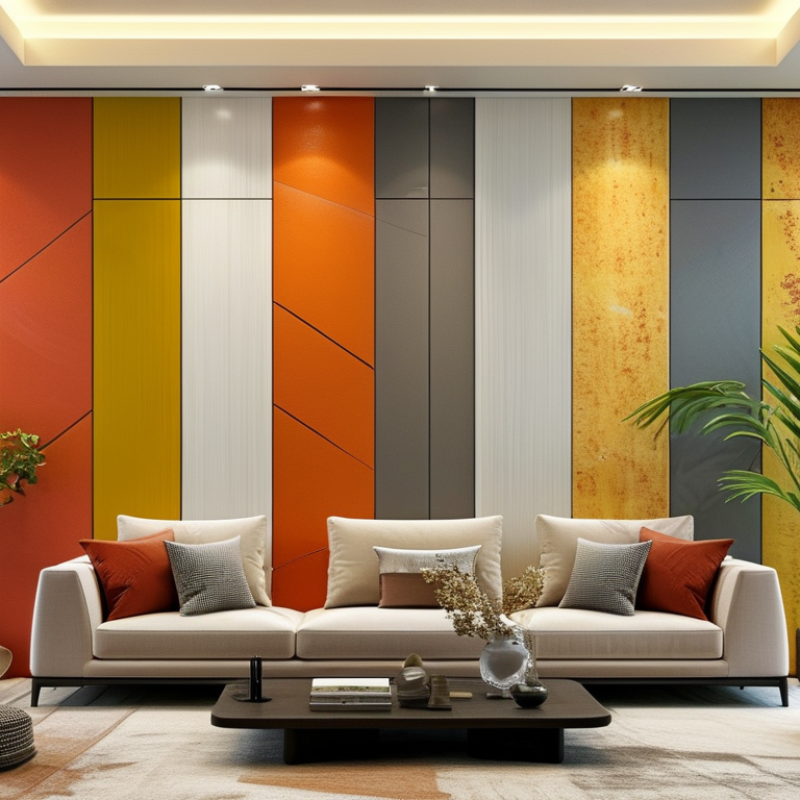
Benefits of Using Interior PVC Wall Panels in Construction Projects
Interior PVC wall panels are becoming a popular choice in construction projects. These panels offer various benefits that make them appealing. One significant advantage is their durability. They are resistant to moisture and can withstand high humidity levels. This makes them ideal for areas like kitchens and bathrooms.
Another benefit is their ease of installation. PVC panels are lightweight and can be easily cut to fit any space. This allows for faster project completion, saving both time and labor costs. Additionally, they come in various designs and colors. This variety enables flexibility in design, allowing for creative expression in both residential and commercial settings.
However, it’s essential to consider the environmental impact. PVC production is energy-intensive and can produce harmful emissions. Opting for panels made from recycled materials can help mitigate this issue. Thoughtful sourcing and installation practices are crucial for a responsible approach. Be mindful of the long-term implications of material choices and their effects on our planet.
Why Choose Interior PVC Wall Panels for Your Next Project? - Benefits of Using Interior PVC Wall Panels in Construction Projects
| Benefit |
Description |
Sustainability |
Cost-Effectiveness |
| Durability |
PVC wall panels are resistant to moisture, corrosion, and impact. |
Made from recyclable materials, contributing to eco-friendly construction. |
Lower maintenance costs due to durability and resistance to staining. |
| Aesthetic Appeal |
Available in various designs, colors, and textures for customization. |
Long-lasting visual appeal reduces the need for frequent renovations. |
Initial investment can yield savings over time with lower upkeep. |
| Ease of Installation |
Lightweight panels make for quicker and simpler installation processes. |
Less energy and resource consumption during installation. |
Reduces labor costs due to less time spent on installation. |
| Low Maintenance |
Easy to clean and require minimal upkeep. |
Less waste generated from repairs and replacements. |
Saves time and resources compared to traditional wall materials. |
Durability and Maintenance Advantages of PVC Wall Panels
When considering wall finishes, PVC wall panels stand out for their durability. They resist moisture, making them ideal for bathrooms or kitchens. Unlike wood, they won’t warp or crack when exposed to humidity. This feature ensures a long-lasting installation.
Maintenance is another key advantage. Cleaning PVC panels is simple; just wipe them down with a damp cloth. This ease of upkeep reduces the risk of mold and mildew, common issues in interior spaces. Additionally, they don’t require repainting or sealing, saving time and money in the long run.
Tips to enhance longevity: Regularly check the panels for any damage after extreme weather. Ensure proper installation to prevent potential gaps. Remember, while PVC panels are robust, avoiding contact with sharp objects will maintain their integrity. Regular inspections can catch issues before they escalate, ensuring your project stays visually appealing and functional.
Design Flexibility and Aesthetic Appeal of PVC Panels
Interior PVC wall panels are an increasingly popular choice for various projects due to their design flexibility and aesthetic appeal. According to a report from MarketsandMarkets, the global PVC panel market is expected to grow at a compound annual growth rate (CAGR) of 5.3% from 2021 to 2026. This growth signals a strong preference for versatile materials in interior design.
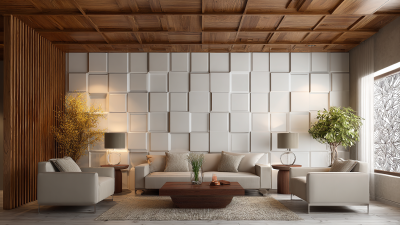
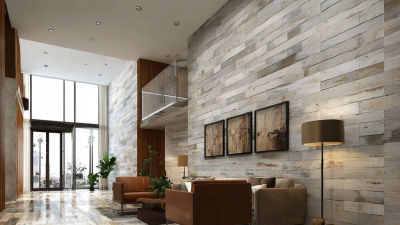
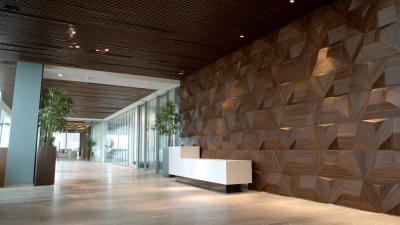
PVC panels are available in countless colors, textures, and finishes. Whether you prefer a glossy look or a rustic wood finish, there is an option to suit every taste. Interior designers often favor these panels for their ease of installation and maintenance. Unlike traditional wall materials, PVC does not require painting or special treatments after installation. Furthermore, these panels can mimic high-end materials at a fraction of the cost, making them an attractive choice for budget-conscious projects.
However, it’s important to consider some potential downsides to PVC panels. Installation can sometimes be tricky if proper precautions are not taken. Misalignment can create unsightly gaps or uneven surfaces. Additionally, some panels may not withstand extreme temperatures or heavy impacts, leading to cracks or fading over time. Balancing these factors against their aesthetic benefits is crucial for any project. When used thoughtfully, PVC panels can significantly enhance the visual appeal of any interior space.
Cost-Effectiveness of PVC Wall Panels Compared to Traditional Materials
When choosing materials for interior design, cost-effectiveness is crucial. PVC wall panels shine in this area. They are often cheaper than traditional materials like wood or plaster. This affordability appeals to budget-conscious projects. Homeowners and contractors alike appreciate this financial advantage.
Considering installation costs, PVC panels are also easier to handle. They typically require less labor, reducing overall expenses. Many find that the lightweight nature of PVC makes for quicker installation. This speed translates to less time on the project and ultimately, lower costs. However, while they save money, it's worth noting that some may miss the traditional aesthetic of wood or the texture of plaster.
Durability is another important factor. PVC panels resist moisture and mold, providing long-lasting value. They require minimal maintenance, saving money in the long run. Yet, it's essential to reflect on their environmental impact. While PVC can offer some benefits, it might not align with eco-friendly initiatives. Balancing cost with sustainability remains a challenge for many.
Environmental Impact and Sustainability of PVC Wall Panels
When considering materials for interior design, PVC wall panels offer an intriguing combination of practicality and sustainability. These panels are lightweight and easy to install. They can mimic the look of wood or stone, giving projects a high-end feel without the heavy environmental footprint. This makes them an appealing choice for many designers.
The environmental impact of PVC is an important consideration. While concerns exist about plastic production, advancements have led to more sustainable manufacturing processes. Many PVC wall panels are now produced with recycled materials. This reduces waste and lessens the reliance on new resources. Additionally, these panels are durable and require less maintenance, which contributes to their long-term sustainability.
However, there are challenges to consider. The production of PVC can release harmful substances if not managed correctly. It’s essential to choose suppliers who prioritize eco-friendly practices. Selecting panels that meet rigorous environmental standards can provide peace of mind. It reflects a commitment to both quality and sustainability, ensuring that projects do not just look good, but are also responsible choices for the environment.
Environmental Impact and Sustainability of PVC Wall Panels