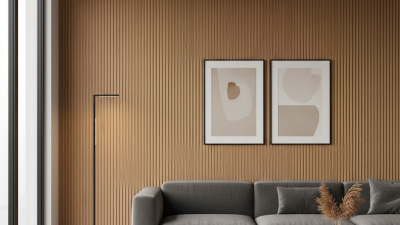
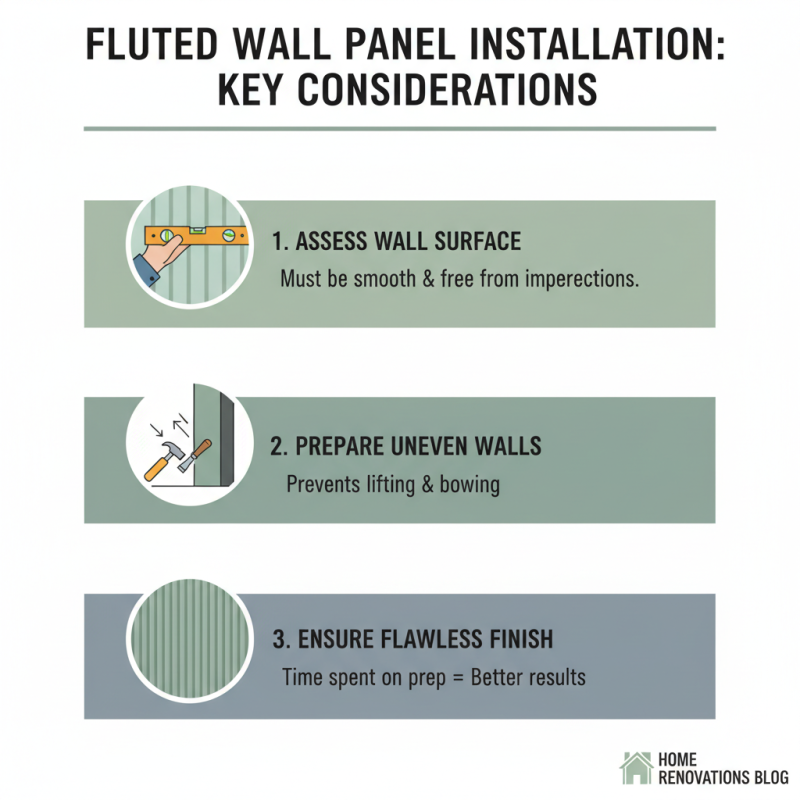
What is Fluted Wall Panel Benefits and Uses for Your Home?
Fluted Wall Panels are becoming increasingly popular in modern home design. These panels offer both aesthetic appeal and practical benefits. Their unique ribbed texture adds depth and character to any space. Homeowners are drawn to their ability to transform dull walls into eye-catching features.
The versatility of Fluted Wall Panels makes them suitable for various settings. They can be used in living rooms, bedrooms, and even commercial spaces. Their installation is manageable, attracting DIY enthusiasts. The panels can be painted or stained, allowing for personalized options. Some might hesitate, fearing a dated look. However, with the right color scheme, they can fit seamlessly into contemporary or traditional designs.
Beyond style, Fluted Wall Panels provide sound absorption and insulation. This adds a layer of comfort to your home. Yet, maintenance is essential. Dust can accumulate in the grooves, requiring regular cleaning. While their beauty is undeniable, upkeep can be overlooked. Homeowners should be prepared to invest time in care to maintain their appealing appearance.
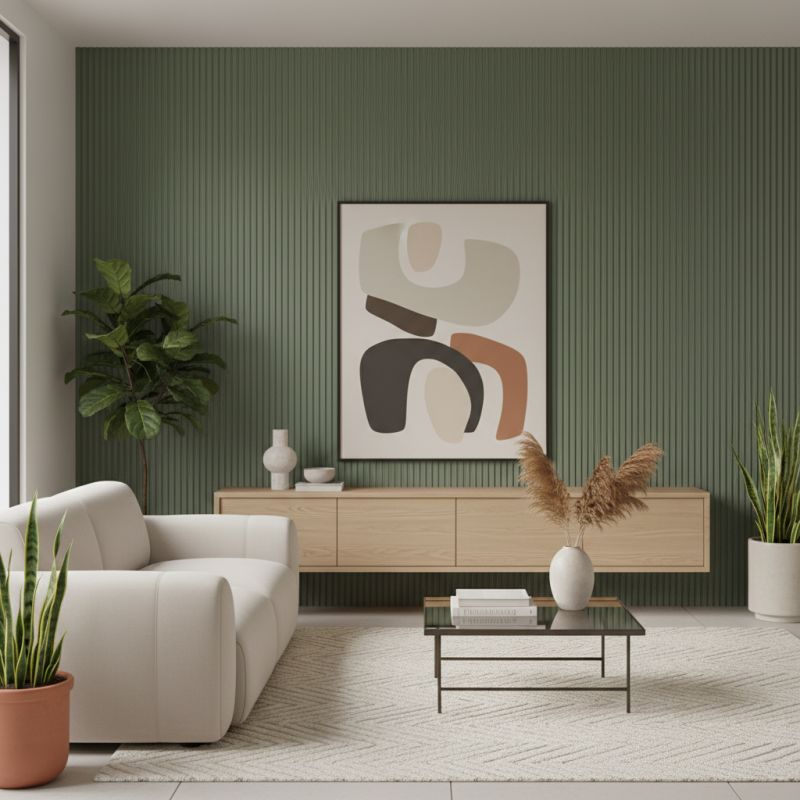
What Are Fluted Wall Panels?
Fluted wall panels are an innovative design feature for modern homes. Composed of vertical grooves, they create depth and visual interest. The aesthetic appeal is undeniable. According to the American Institute of Architects, textured wall treatments, including fluted panels, enhance interior design trends, particularly in high-end residential projects.
One significant benefit of fluted wall panels is their ability to influence light and shadow. The grooves can soften the direct sunlight entering a room, adding a warm ambiance. This effect can be particularly beneficial in spaces where natural light is abundant. Additionally, fluted panels improve acoustics by diffusing sound waves. A study by the Acoustical Society of America highlights that textured surfaces can reduce echoes, making spaces feel more comfortable.
In practical terms, installation offers versatility. Fluted panels can be applied in various areas, from accent walls to cabinetry. Their design complements both traditional and contemporary styles. However, maintaining these panels can be challenging. Dust and dirt can accumulate in the grooves, requiring regular cleaning. Not everyone may enjoy the upkeep involved. Fluted wall panels are a stylish choice that requires thoughtful consideration in terms of design and maintenance.
What is Fluted Wall Panel Benefits and Uses for Your Home? - What Are Fluted Wall Panels?
| Dimension |
Description |
Benefits |
Common Uses |
| Material |
Typically made from MDF, PVC, or wood |
Durability and longevity |
Living rooms, bedrooms |
| Design |
Grooved or fluted for texture |
Enhances aesthetic appeal |
Feature walls, accent areas |
| Installation |
Can be DIY or professional installation |
Versatile application methods |
Offices, commercial spaces |
| Maintenance |
Easy to clean and maintain |
Low upkeep cost |
Retail displays, restaurants |
| Acoustic Properties |
Can improve sound quality |
Noise reduction |
Home theaters, music studios |
Key Benefits of Fluted Wall Panels for Homeowners
Fluted wall panels are becoming a popular choice for homeowners looking to enhance their spaces. These panels add texture and visual interest to any room. They can transform a bland wall into a focal point, providing depth and character. The grooves in the panels create subtle play of light and shadow. This feature adds elegance to both modern and traditional interiors.
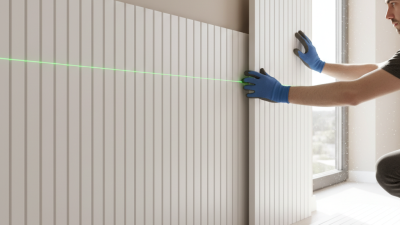
One of the key benefits of fluted wall panels is their versatility. They can be used in living rooms, bedrooms, or even hallways. The design can suit various styles, from minimalist to classic. Homeowners often choose them for their sound-absorption qualities. This benefit creates a quieter and more serene environment. Installation can be a bit tricky and may require professional help. It's crucial to ensure proper alignment for the best aesthetic.
The materials used in fluted wall panels also vary, offering various finishes. Whether wood, PVC, or MDF, each material has its unique charm. However, maintenance can be a concern. Some materials may require special cleaning or occasional refinishing. Homeowners should consider their lifestyle before making a choice. Fluted wall panels bring sophistication but demand attention and care in the long run.
Key Benefits of Fluted Wall Panels for Homeowners
Popular Materials Used in Fluted Wall Panel Construction
Fluted wall panels offer a stunning way to enhance your home's interior. Understanding the popular materials used in their construction can help you make informed choices. Common materials include wood, MDF, and plaster. Each brings unique qualities to your space.
Wood is often favored for its warmth and natural beauty. It can be stained or painted to match any decor. MDF, or medium-density fiberboard, is more affordable and can be shaped easily. It's perfect for modern designs and seamless finishes. Plaster provides a classic touch. It offers durability and sound insulation but requires more skill to install.
Tips for choosing the right material include considering your budget and maintenance routine. Wood might need more upkeep. Think about the room's style too. A sleek, modern space might benefit from MDF. While plaster can elevate a grand aesthetic, it may not suit a casual home. Reflecting on your needs will guide your decision. Each material has pros and cons, so weigh them carefully before proceeding.
Design Ideas and Applications for Fluted Wall Panels
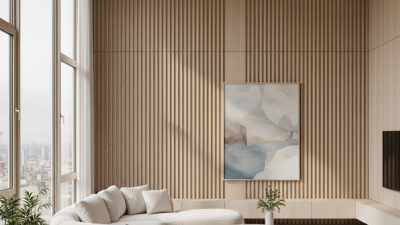
Fluted wall panels are a stylish choice for modern interiors. They add texture and depth to any space, making a simple wall stand out. These panels can be used in various rooms, from living areas to bedrooms. The vertical grooves create an illusion of height, making ceilings feel higher than they are. This effect can transform smaller spaces, giving them a more open feel.
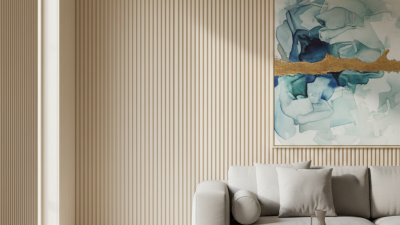
Incorporating fluted wall panels into your design can be creative. Consider using them as a feature wall behind a sofa or bed. Pair them with soft lighting to enhance their visual impact. You might also use contrasting colors or finishes for added drama. However, achieving balance is essential; overdoing it can overwhelm a room.
Experimenting with panel placement can yield unique results. Try installing them horizontally in smaller rooms or using them in unexpected areas, like hallways. This non-traditional approach can provide a fresh look. Remember to reflect on how texture influences mood. The interplay of light and shadow on fluted surfaces can evoke warmth or starkness, depending on your preference.