How to Choose Modern Wood Veneer Paneling for Your Home?
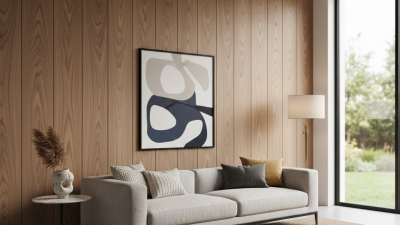
When it comes to home decor, choosing the right materials is crucial. Modern Wood Veneer Paneling has gained popularity for its blend of aesthetics and functionality. Renowned designer Sarah Thompson states, "The right veneer can transform a space into a warm and inviting environment." This industry insight highlights the essential role that paneling plays in contemporary interior design.
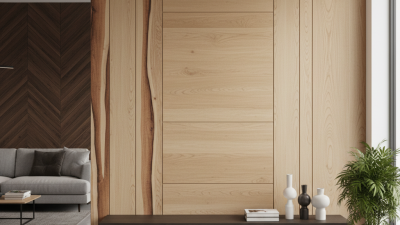
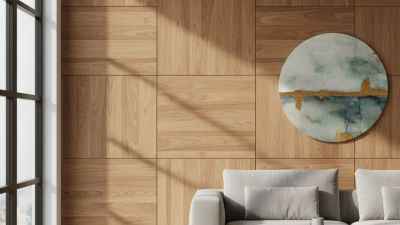
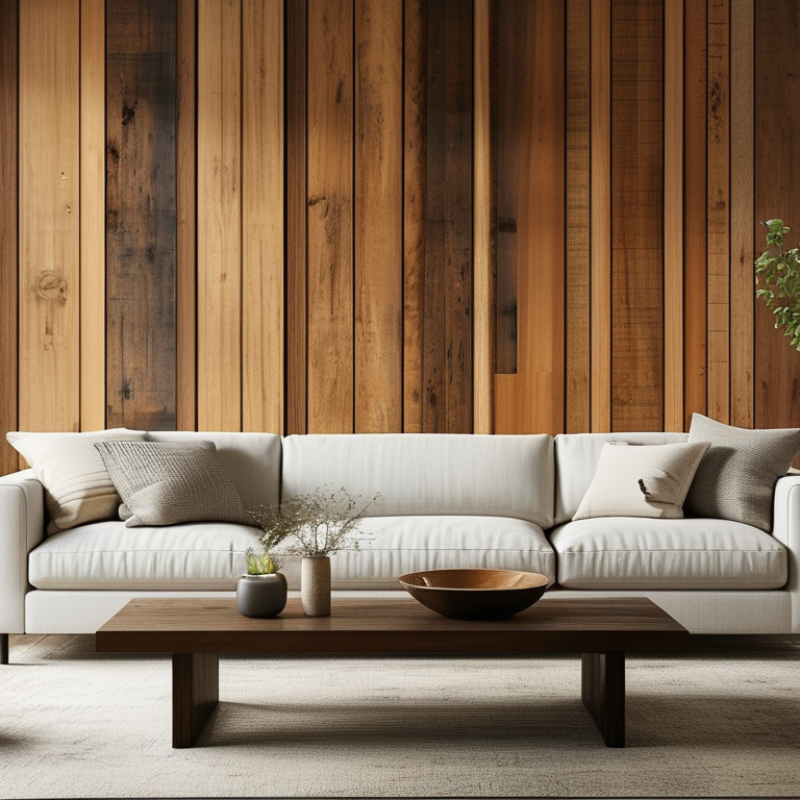
Selecting Modern Wood Veneer Paneling involves careful consideration of various factors. The grain pattern, color, and texture can significantly influence a room's atmosphere. For instance, lighter woods can create an airy feel, while darker tones offer a cozy ambiance. A thoughtful choice can elevate your home’s style while reflecting your personal taste.
However, the process of selecting the perfect veneer isn’t without challenges. Not all veneers are created equal, and some may not withstand wear and tear. It's essential to prioritize quality and sustainability in your choices. Ask yourself if the veneer complements your existing decor. Reflecting on these decisions can lead to a beautifully cohesive space that aligns with your vision.
Understanding Modern Wood Veneer Paneling: An Overview
Modern wood veneer paneling has gained popularity in home design due to its aesthetic appeal and sustainability. According to a report by the Wood Panel Association, the demand for wood veneer products has increased by 15% over the past five years. This rise indicates a growing preference for materials that are both beautiful and environmentally friendly.
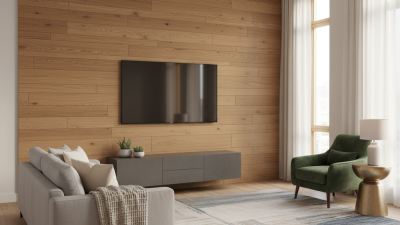
One of the significant benefits of wood veneer is its versatility. It can emulate the look of solid wood while using less material. This makes it a cost-effective solution for homeowners who desire the warmth of wood without the higher price tag associated with solid wood panels. Additionally, the variety of finishes available allows for a wide range of design possibilities. However, it’s crucial to consider the installation process and maintenance. Improperly installed panels may warp or delaminate over time.
Sustainability also plays a role in the selection of wood veneer. A study from the Forest Products Laboratory highlighted that using veneer can lead to a 70% reduction in wood consumption compared to solid wood options. Still, one must reflect on sourcing practices. Ensuring that the veneer comes from sustainably managed forests is vital for truly eco-friendly choices. This attention to detail can significantly affect the long-term value of your home.
Key Benefits of Using Wood Veneer Panels in Home Design
Wood veneer panels have become a popular choice in modern home design. They offer a unique blend of natural aesthetics and functionality. According to a report by the Wood Products Council, using wood veneer can reduce material costs by up to 30% in comparison to solid wood. This makes veneer a budget-friendly alternative without sacrificing style.
One significant advantage of wood veneer is its versatility. It can be applied to various surfaces, from walls to furniture. Moreover, recent studies indicate that wood surfaces can contribute to better indoor air quality. In fact, environments with wood accents tend to reduce stress and promote well-being. However, it is crucial to ensure the veneer is sourced from sustainable forests.
While wood veneer has many benefits, it is also important to be mindful of potential drawbacks. Some homeowners may find the veneer less durable than solid wood, requiring careful maintenance. Scratches or damage may be harder to repair, leading to reflections on longevity. Balancing aesthetic desires with practical considerations is essential for successful implementation.
Evaluating Different Types of Wood Veneers for Aesthetic Appeal
When selecting wood veneer paneling, aesthetic appeal plays a key role. Different types of veneers have unique characteristics. Natural veneers, made from solid wood, offer varied grains and colors, enhancing beauty. They're environmentally friendly, as they use less wood than solid panels. According to industry reports, natural wood veneers can reduce costs and material usage by over 30%.
Reconstituted veneers are crafted from multiple wood pieces, glued and pressed together, providing uniform patterns. This option often looks modern and sleek. Studies show that reconstituted veneer panels can minimize wood waste by up to 40%. While these options are appealing, consider that they may lack the warmth of natural wood.
Tip: Match your veneer choice to your home's overall color scheme. Lighter woods can brighten a space, while darker shades add sophistication.
Another consideration is maintenance. While veneers are low-maintenance, scratches and dents may occur. Reflect on the durability of your selected veneer when choosing finishes. A thicker veneer may withstand wear better, ensuring your aesthetic choices remain intact over time. Choosing the right veneer is a balance between style and practicality.
Sustainability in Wood Veneer Selection: Environmental Impact Data
When selecting modern wood veneer paneling, sustainability is a crucial factor. The environmental impact of wood sourcing affects ecosystems and local communities. Responsible sourcing ensures that trees are harvested from well-managed forests. These forests provide habitats for wildlife while contributing to carbon sequestration efforts. The chain of custody is essential. Knowing where your materials come from can guide ethical decisions.
Opt for veneers certified by recognized environmental standards. These certifications indicate adherence to sustainable practices. Look for partnerships that focus on reforestation and habitat conservation. Some vendors may claim sustainability but lack transparency. Trustworthy sources will be open about their sourcing processes. It might be tempting to choose cheaper options. However, lower prices can often mean poor environmental practices.
Moreover, consider the lifecycle impact of the veneer. How long will it last? Will it require special maintenance? Durability can affect the frequency of replacement. Therefore, investing in high-quality, sustainable materials can lead to long-term benefits. It’s essential to weigh initial costs against future implications. Reflect on your choices critically. Every panel contributes to the bigger picture of environmental stewardship.
Installation Techniques for Wood Veneer Panels: Professional Insights
When installing modern wood veneer panels, selecting the right techniques is crucial for a flawless result.
Begin by preparing the surface. The wall must be clean, dry, and free from any imperfections. This preparation ensures that the adhesive bonds effectively.
Using a level helps to mark straight lines for panel placement. Accuracy at this stage lays the groundwork for a polished finish.
For installation, choose an appropriate adhesive. A strong, high-quality adhesive ensures durability. Spread the adhesive evenly on the back of the panel using a notched trowel.
This tool creates grooves that enhance adhesion. Press the panel firmly against the wall, ensuring alignment with your marked lines. It is crucial to apply even pressure to avoid air pockets.
Sometimes, repositioning may be necessary, but excessive adjustments can compromise the bond.
Finishing touches are equally important. Use a jigsaw for any necessary cuts. Sand edges for a smooth transition.
Sealing the panels enhances both appearance and longevity. However, achieving a completely flawless surface can be challenging.
Expect some imperfections along the way. Each project is an opportunity for learning and improvement, from choosing the right tools to mastering techniques.
Embrace the process, and reflect on what works best for your space.