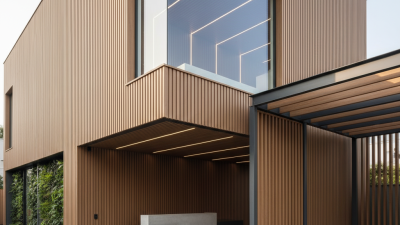
2026 How to Choose WPC Wall Panels for Your Home?
Choosing the right WPC Wall Panels for Household use can be daunting. With numerous options available, it's essential to understand what suits your needs. According to industry expert Jane Smith, "Selecting the right materials is crucial for both aesthetics and durability." Her insights highlight the importance of making informed decisions.
When considering WPC Wall Panels, think about your home's style. These panels come in various designs, colors, and textures. A well-chosen panel enhances your space and provides lasting quality. Durability is a key factor—WPC panels resist moisture and insects, making them ideal for many environments.
However, not every WPC panel is perfect for every household. Some may find certain styles overwhelming or not aligned with their vision. It's essential to evaluate your preferences and space requirements. Reflect on your options and do thorough research. The right choice will not only improve your home's appearance but also its longevity.
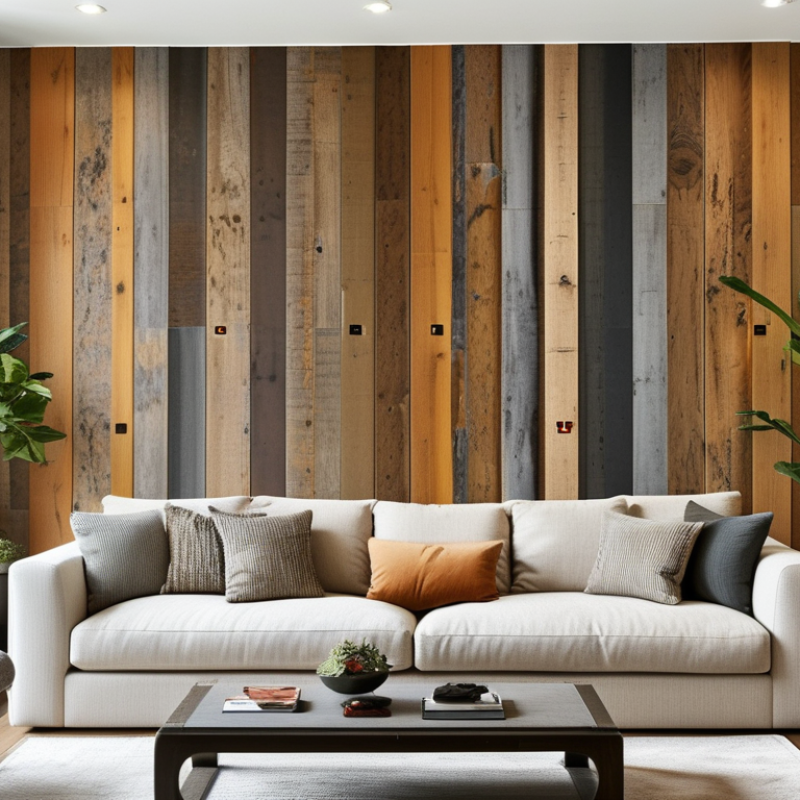
Factors to Consider When Choosing WPC Wall Panels for Your Home
When selecting WPC wall panels for your home, start by considering the material's durability. WPC, or Wood-Plastic Composite, is known for its strength. It can withstand moisture and resist rotting, making it ideal for various environments. Check the thickness and density of the panels. Thicker panels often provide better insulation and soundproofing.
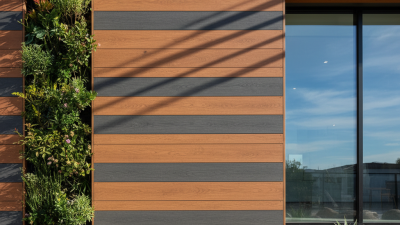
Color and texture are also crucial factors. The aesthetic appeal can dramatically change the look of a room. Choose colors that complement your existing decor. Textured panels can add depth and visual interest. However, be cautious; some textures may be harder to clean and maintain over time.
Pay attention to installation requirements. Some panels may need professional help, while others allow for easy DIY. Consider your own skill level and the tools required. Lastly, think about your budget. Higher-quality panels may come at a price, but they can save you costs on repairs in the long run. Keep these points in mind, and you'll find the right WPC wall panels for your space.
Understanding the Material Composition of WPC Wall Panels
When considering WPC (Wood-Plastic Composite) wall panels for your home, understanding their material composition is essential. WPC panels consist of wood fibers and plastic polymers, which offer both durability and aesthetic appeal. The combination provides a weather-resistant alternative to traditional wood. This means less maintenance and longer lifespan. The ratio of wood to plastic influences the panel's rigidity and overall quality.
However, not all WPC panels are created equal. The source of wood fibers can vary, impacting sustainability and strength. Some panels incorporate recycled materials, which can be a great choice for eco-conscious consumers. It's also crucial to evaluate the type of plastic used. Different plastics serve varied purposes in terms of flexibility and fade resistance. Additionally, some panels may contain additives that affect performance over time.
Potential buyers should also consider the manufacturing process. Some processes may lead to inconsistencies in quality. Checking for industry certifications can guide choices. While WPC panels often offer attractive designs, it's vital to approach selections with caution. Not every product may deliver the promised benefits. Balancing aesthetic preferences with research into material composition ensures a well-informed decision.
2026 How to Choose WPC Wall Panels for Your Home?
| Aspect |
Description |
Importance |
Recommended Choices |
| Material Composition |
WPC is made from a blend of wood fibers and plastic. |
High |
Choose panels with a balanced ratio for durability. |
| Durability |
WPC panels are resistant to moisture and pests. |
High |
Look for warranty periods over 10 years. |
| Maintenance |
Easy to clean and requires minimal upkeep. |
Medium |
Choose low-maintenance finishes. |
| Aesthetics |
Available in various colors and textures. |
High |
Select textures that match interior decor. |
| Cost |
Generally more affordable than natural wood. |
Medium |
Compare prices per square foot. |
Evaluating Aesthetics: Color and Texture Options for WPC Panels
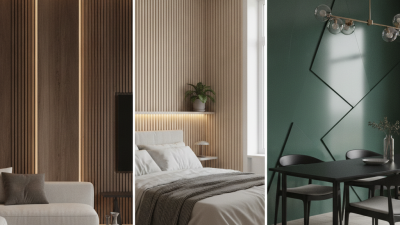
When selecting WPC wall panels, aesthetics play a crucial role. Color and texture options can dramatically influence the overall vibe of your home. WPC panels come in various colors, from natural wood tones to contemporary grays. Each color can evoke different emotions. Lighter shades create a spacious feel, while rich, dark tones offer warmth and elegance.
Texture is equally important. Smooth surfaces provide a modern look, while textured finishes add depth. Consider how light interacts with these surfaces. A textured panel might catch the light, casting interesting shadows. This can enhance your living spaces in unexpected ways.
As you evaluate options, reflect on how these panels will blend with existing decor. It’s easy to be drawn to a striking color, but color harmony is essential for a cohesive look. Investing time to visualize the overall aesthetic can save disappointment later. Remember, trends come and go, so choose colors and textures that resonate personally. Balancing trends with personal taste can lead to a satisfying design choice.
Cost Analysis: Price Comparisons and Long-term Savings with WPC
When considering WPC wall panels for your home, cost is a crucial factor. WPC, or wood-plastic composite, offers durability and aesthetic appeal. Prices vary widely based on quality and design. On average, homeowners can expect to pay anywhere from $2 to $6 per square foot. While initial costs may seem high, long-term savings can be significant.
WPC panels require less maintenance than traditional wood. They resist moisture and decay, reducing replacement costs. You won't need to repaint or stain as often, saving both time and money. The life expectancy of WPC panels often surpasses that of wood. That's a major consideration for budget-conscious homeowners.
**Tips:** Choose panels that mimic real wood textures for a natural look. Check for warranties that reflect the product’s durability. Consider local climate when selecting WPC types; some perform better in humid environments. Investing in quality can lead to lower costs over time, but always weigh the upfront versus long-term affordability. Don't rush; take time to compare different options.
Durability and Maintenance: Life Expectancy of WPC Wall Panels
WPC (Wood Plastic Composite) wall panels are gaining popularity for their combination of durability and aesthetics. When assessing their life expectancy, key factors include material composition and environmental impact. According to a report by the Plastic Industry Association, WPC products can have a lifespan of 25 to 30 years, significantly longer than traditional wood materials.
Maintenance plays an essential role in ensuring longevity. Regular cleaning can prevent damage from mold and mildew. In many cases, WPC panels only require occasional washing with soap and water. However, some consumers report discoloration after prolonged exposure to sunlight. This highlights the importance of considering panel finishes and protective coatings.
Consumers should also assess environmental exposure. In humid climates, WPC may absorb moisture, affecting integrity. A study published by the American Wood Council indicates fluctuations in temperature can also impact panel performance. Therefore, understanding the installation environment is crucial for maximizing durability and performance.
Durability and Maintenance of WPC Wall Panels