Best Wpc Wall Panel Board Options for Your Next Project?
Wpc Wall Panel Board has gained significant attention in recent years, especially in construction and interior design. According to the market research firm Statista, the global WPC market is expected to reach $5.5 billion by 2027. This growth is driven by the increasing demand for sustainable and durable building materials. WPC's composite nature includes recycled wood and plastic, making it an eco-friendly choice.
When planning your next project, choosing the right wall panel board can be crucial. Wpc Wall Panel Board not only enhances aesthetics but also offers practical benefits like moisture resistance and ease of installation. With its versatility, it suits both residential and commercial applications. However, not all panels are created equal. Some products may lack durability or have limited design options.
As you explore your options, it's essential to evaluate your specific needs. Consider factors such as climate, installation methods, and budget constraints. Quality can vary widely among different brands. Make informed decisions based on expert reviews and testimonials. In a rapidly changing market, finding reliable and aesthetically pleasing Wpc Wall Panel Board requires careful research and thoughtful reflection.
Overview of WPC Wall Panel Boards
WPC wall panel boards are gaining popularity in contemporary construction. Made from wood-plastic composites, these panels combine durability and aesthetic appeal. According to industry reports, the global WPC market is projected to grow steadily, with a CAGR of around 11.5% from 2021 to 2026. This growth signifies a shift towards sustainable materials in the building sector.
The advantages of WPC wall panel boards include resistance to moisture and insects. They don't warp or splinter like traditional wood does. Additionally, they come in a variety of textures and colors, making them suitable for different design themes. However, potential users should be wary of their fire resistance ratings, which can vary significantly among manufacturers. Proper installation is crucial to maximize performance and longevity.
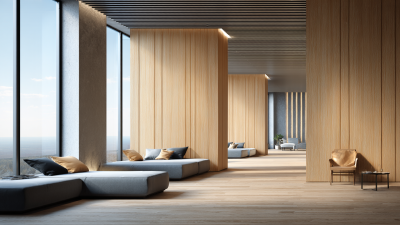
In terms of applications, WPC wall panels are perfect for both indoor and outdoor settings. They find common use in restaurants, homes, and commercial spaces. Recent data highlights that over 60% of architects prefer WPC for its eco-friendly nature. Yet, the challenge remains in finding a reliable supplier who meets quality standards. Some options may underperform, leading to dissatisfaction in the long run.
Types of WPC Wall Panel Boards Available
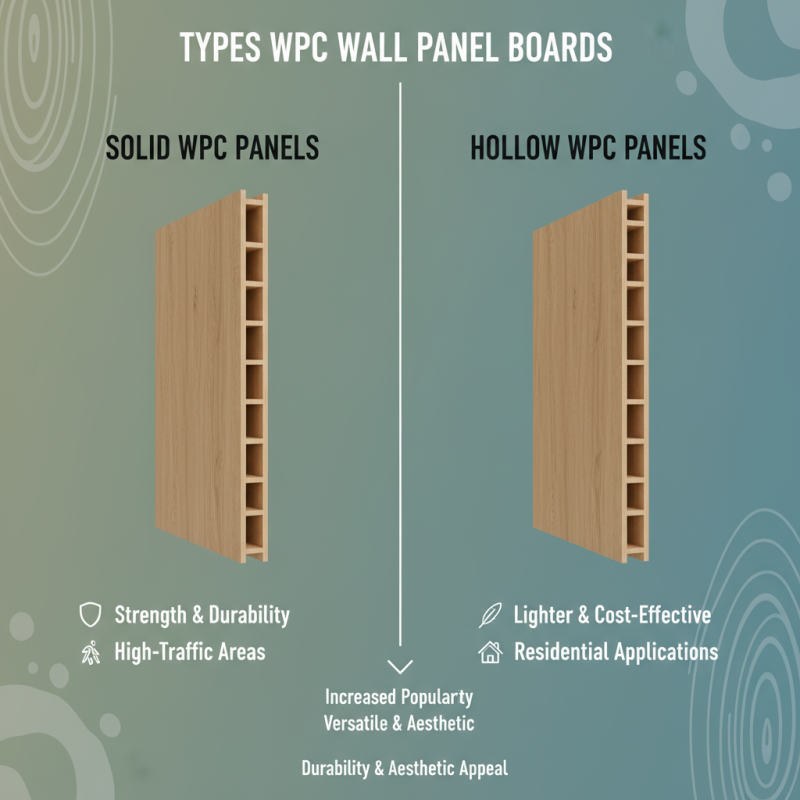
WPC wall panels are increasingly popular for their durability and aesthetic appeal. They come in various types that cater to different project needs. Two of the most common types are solid and hollow WPC wall panels. Solid panels provide strength and can withstand more pressure, making them a great choice for high-traffic areas. Hollow panels are lighter and cheaper, which can be ideal for residential applications.
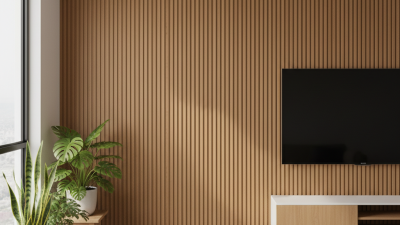
Another option to consider is textured versus smooth finishes. Textured panels add depth and can disguise minor imperfections in walls. This makes them suitable for rustic or modern designs. Smooth panels, on the other hand, work well in contemporary settings and are easier to clean.
You might also reflect on the environmental impact of your choice. While WPC panels tend to be more sustainable than conventional materials, not all products are created equal. It is crucial to review certifications and sourcing practices. This ensures the material aligns with your environmental principles and the longevity of your investment. The differences in design, durability, and environmental aspects highlight the need for careful selection, tailored to your specific project requirements.
Factors to Consider When Choosing WPC Wall Panels
When selecting WPC wall panels for your next project, several factors come into play. The first consideration is material composition. WPC, or wood-plastic composite, utilizes recycled wood fibers and plastic. This blend results in a product that is both sustainable and durable. According to industry reports, WPC panels have a lifespan of over 25 years, outperforming traditional wood in environmental resistance.
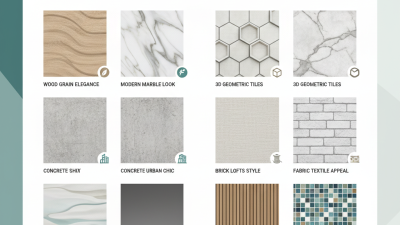
Another crucial factor is aesthetics. WPC wall panels come in various designs and colors. This versatility allows for creativity in interior or exterior designs. The texture can mimic natural wood without ongoing maintenance. However, potential buyers should consider the light exposure of the installation area. Prolonged sunlight can cause colors to fade over time. Understanding UV resistance ratings can aid in making informed choices.
Lastly, installation and cost must be carefully evaluated. Some panels are designed for easy DIY installation. Others may require professional help, increasing the overall expense. Reports indicate that labor costs can substantially impact budgets. Evaluating the full lifecycle cost is essential. Aim for quality options that align with your project goals while ensuring reliable performance.
Benefits of Using WPC Wall Panels in Construction
WPC wall panels combine wood and plastic for a durable alternative in construction. These panels resist moisture, making them ideal for areas prone to humidity. They do not warp easily, unlike traditional wood. This characteristic enhances their longevity and utility in various environments.
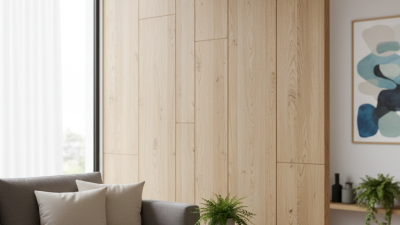
Another significant benefit is their low maintenance requirement. WPC panels require minimal upkeep compared to regular wood. Cleaning them is as easy as wiping with a damp cloth. Additionally, they offer a rich aesthetic appeal. The finish can resemble natural wood without the associated vulnerabilities.
While there are clear advantages, it is crucial to acknowledge the potential drawbacks. Cost might be higher than conventional materials upfront. Some users may find the look less authentic than solid wood. Therefore, assessing the project's specific needs and budget is essential. Balancing aesthetics with functionality can lead to better decision-making when investing in WPC wall panels.
Best WPC Wall Panel Board Options for Your Next Project
| Panel Type |
Thickness (mm) |
Size (mm) |
Weight (kg/m²) |
Water Resistance |
Fire Rating |
Color Options |
| Standard WPC |
10 |
3000 x 150 |
6.5 |
Yes |
B2 |
White, Brown, Grey |
| Wood Finish WPC |
12 |
3000 x 200 |
8.0 |
Yes |
B1 |
Oak, Teak, Walnut |
| Textured WPC |
15 |
3000 x 250 |
9.5 |
Yes |
B2 |
Charcoal, Beige, Green |
| Eco-Friendly WPC |
18 |
3000 x 300 |
10.0 |
Yes |
B1 |
Natural, Grey, Blue |
Top Brands and Products for WPC Wall Panels
When it comes to choosing WPC wall panels, several brands stand out for their quality and reliability. The best options combine durability with aesthetic appeal. Many panels come in a variety of finishes, allowing homeowners to find styles that suit any décor. Consider if they are moisture-resistant, especially for spaces like bathrooms and kitchens. Look for products that also resist fading, ensuring longevity and keeping your walls looking fresh.
A proper installation is key to maximizing the benefits of your panels. Check if the brand offers extensive guidelines; some might even provide online tutorials. Evaluate whether you need professional assistance. There are also numerous online reviews available for different brands, and user experiences can reveal potential challenges during installation.
Don't forget about the environmental impact. Many companies emphasize sustainability in their production processes. This aspect can be difficult to assess, as some brands may not fully disclose their materials’ origins. It's worth investigating thoroughly. Take time to compare options before committing. The right choice will enhance your project while being mindful of environmental concerns.