2026 Best Fluted Wall Panel Designs for Stylish Interiors?
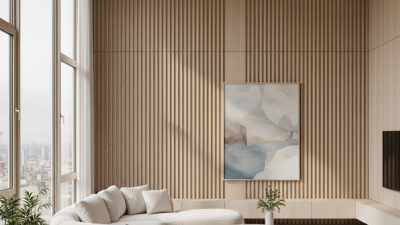
Fluted wall panels have become a focal point in modern interior design. Their unique texture adds depth and elegance to any space. Renowned expert in interior aesthetics, Sarah Johnson, emphasizes, “Fluted wall panels transform ordinary walls into stunning displays.” This statement encapsulates the power of design choices in creating impactful environments.
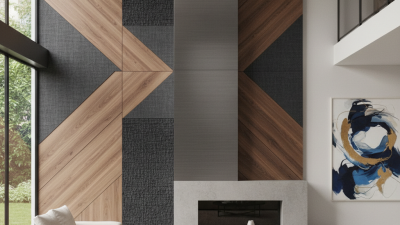
In 2026, the trend continues to evolve, presenting designers and homeowners with countless options. The beauty of fluted wall panels lies in their versatility. They can enhance both classic and contemporary styles. Each panel contributes to a room’s narrative, inviting reflection and conversation.
However, not every choice will resonate perfectly with every space. Designers must consider colors, materials, and patterns carefully. A misstep in selection can lead to a lackluster result. Therefore, understanding the nuances of fluted wall panels is crucial. Balancing aesthetics with functionality demands expertise, creativity, and thoughtful execution.
Definition and Characteristics of Fluted Wall Panels
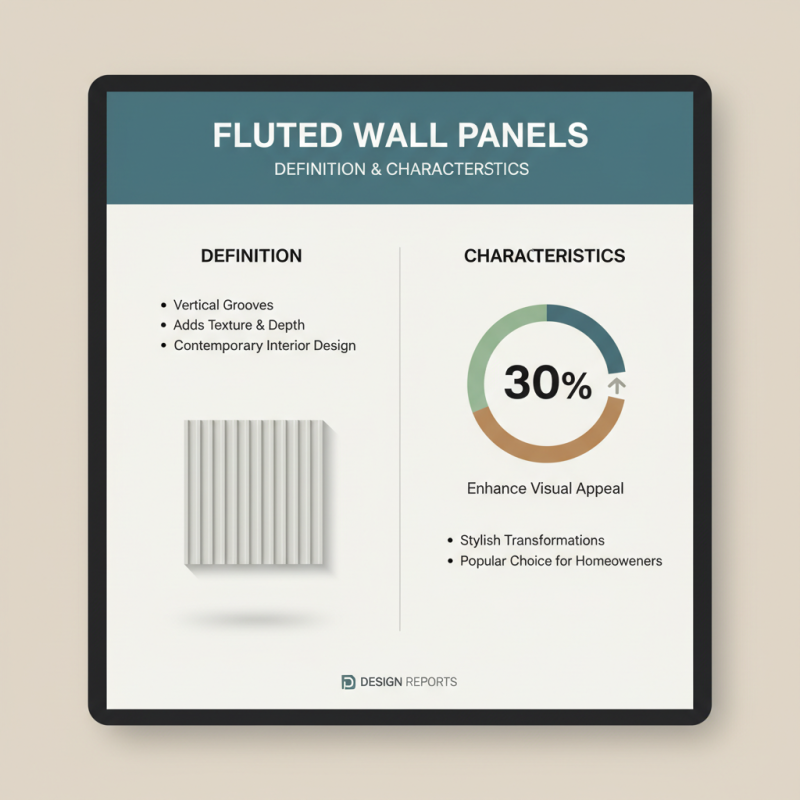
Fluted wall panels have gained significant traction in contemporary interior design. These panels, characterized by their vertical grooves, add texture and depth to any living space. According to recent design reports, fluted panels can enhance the visual appeal of interiors by up to 30%. This makes them a popular choice for homeowners seeking stylish transformations.
The versatility of fluted panels allows them to fit various styles, from modern minimalism to traditional elegance. Typically made from materials like wood, MDF, or even metal, they can be painted or left in their natural finish. Their ability to reflect light creates an inviting atmosphere. However, maintenance can be challenging; dust can accumulate in the grooves. Regular cleaning is essential to keep them looking pristine.
**Tip:** When choosing fluted panels, consider the height of your ceilings to ensure a cohesive look. High panels emphasize vertical space, while shorter ones can create an intimate feel.
The popularity of fluted wall panels may lead to oversaturation in the market. Not all designs will stand the test of time. Evaluate the longevity of your selection to avoid trends that may quickly become outdated. Incorporating fluted panels should be a thoughtful decision, balancing style with practicality.
Historical Overview of Fluted Wall Panels in Interior Design
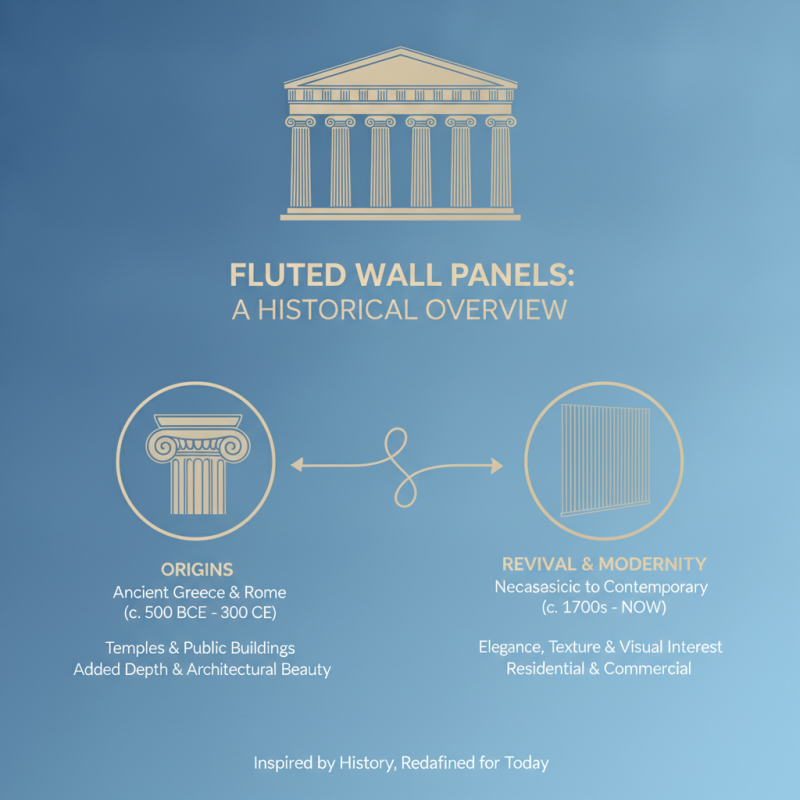
Fluted wall panels have a rich history in interior design. These elegantly ridged surfaces originated in ancient Greece and Rome, where they adorned temples and public buildings. The texture created by fluting added depth, drawing the eye and enhancing the architectural beauty. This historical significance makes fluted panels noteworthy today.
Throughout the centuries, fluted designs have evolved. In the 18th and 19th centuries, they became popular in neoclassical and Victorian styles. Homeowners used them to convey sophistication and status. They appeared in various materials, from wood to plaster, reflecting the craftsmanship of their time. However, the modern interpretation of fluted wall panels can sometimes lack the character of their predecessors.
Despite their resurgence in contemporary decor, some designers face challenges. Striking a balance between old-world charm and modern sensibility can be difficult. The integration of fluted panels in a space requires thoughtful consideration. Without careful planning, they can overwhelm a room or feel out of place. This reflection on their historical journey emphasizes the need for mindful application in today’s stylish interiors.
Current Trends in Fluted Wall Panel Designs for 2026
Fluted wall panels are making a strong comeback in 2026. These textured surfaces add depth and elegance to interiors. Designers are focusing on using sustainable materials, enhancing aesthetics while being eco-friendly. Natural wood and recycled materials are popular choices. The sharp lines of fluted designs create a sophisticated contrast against smooth surfaces.
Textures can dramatically change a room's ambiance. Choosing the right color and finish is crucial. Soft, muted tones work well for a calming effect. Darker hues add drama and sophistication. Experimenting with panel heights can also produce interesting visual dynamics.
Tips: Consider mixing fluted panels with other design elements. Pair them with minimalist furniture for balance. Also, highlight architectural features. Fluted walls can frame doors or windows beautifully. Don't shy away from imperfections; they often lead to unique designs. Reflect on your style preferences and let them guide your choices.
Materials and Finishes for Stylish Fluted Wall Panels
When exploring the world of fluted wall panels, the choice of materials and finishes emerges as a key factor. Wood offers warmth and natural beauty. Its grain adds texture, enhancing the visual appeal. For a modern twist, consider using MDF. It can be easily shaped and painted. This versatility makes MDF a popular choice for contemporary designs.
Metal finishes also provide a sleek look. They can range from brushed nickel to matte black. These finishes create a dramatic effect, especially in industrial-style interiors. However, metal can feel cold, so pairing it with softer materials is essential. Textiles and cushions can bridge the gap.
Sustainability should also be on your mind. Eco-friendly materials are gaining traction. Bamboo, for instance, is both stylish and renewable. But it's important to research suppliers. Some may not be truly sustainable. Achieving the perfect balance between aesthetics and ethics can be challenging. The right fluted wall panel can transform a space, but careful thought on materials is essential.
2026 Best Fluted Wall Panel Designs for Stylish Interiors
| Design Style |
Material |
Finish |
Color Options |
Ideal Room Type |
| Modern Minimalist |
MDF |
Matte |
White, Gray |
Living Room, Hallway |
| Industrial Chic |
Plywood |
Natural |
Brown, Black |
Office, Studio |
| Classic Elegance |
Wood |
Glossy |
Walnut, Cream |
Dining Room, Bedroom |
| Contemporary |
Gypsum Board |
Textured |
Beige, Blue |
Bathroom, Hallway |
| Scandinavian |
Bamboo |
Painted |
Pastel Colors |
Living Room, Bedroom |
Integration of Fluted Wall Panels in Different Style Interiors
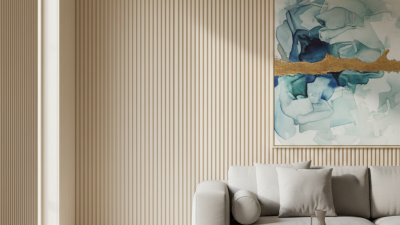
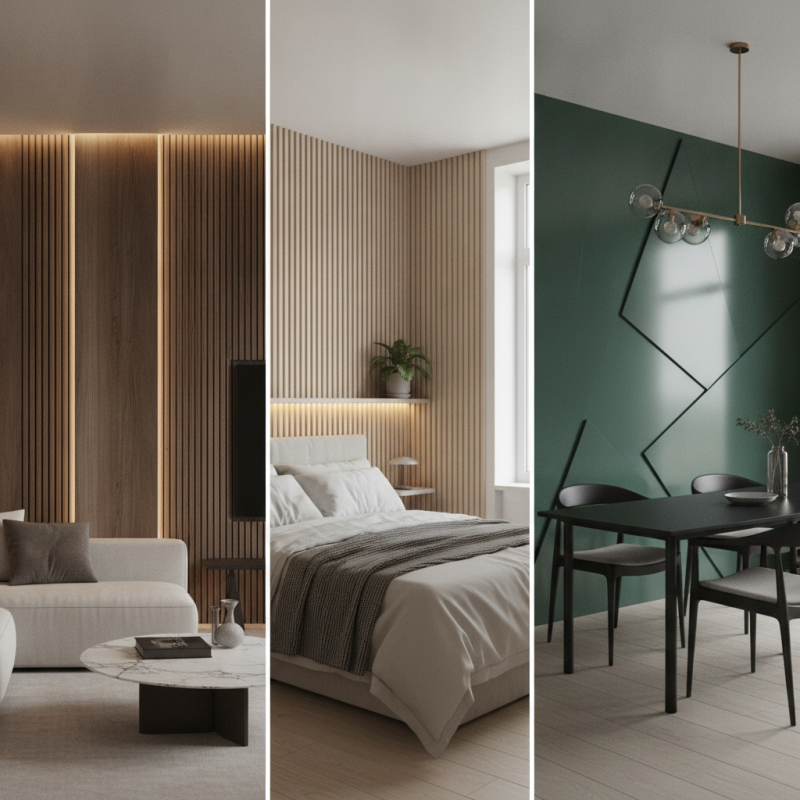
Fluted wall panels bring a distinct texture and elegance to various interior styles. In modern spaces, these panels can create a sleek and sophisticated backdrop. Their vertical lines draw the eye upward, enhancing the room's height perception. In minimalist designs, fluted panels serve as a striking focal point, effectively balancing simplicity with visual interest.
In more traditional interiors, these panels evoke a sense of timelessness. They can be used in dining rooms or living spaces, complementing ornate furniture and decorative accents. The contrast between the detailed craftsmanship and the clean lines of the fluted design adds depth. However, it’s important to consider the overall harmony of the space. Using too many intricate elements can overwhelm the senses.
Fluted wall panels also fit well in eclectic interiors. Mixing different materials enhances their versatility. Pairing them with bold colors or unconventional decor can create an inviting ambience. Yet, not every design scheme benefits from fluted panels. An oversaturation of textures might lead to visual chaos. Thoughtful placement and design integration are essential for achieving a balanced aesthetic.