Top Wood Veneer Paneling Walls for Home Decoration Ideas?
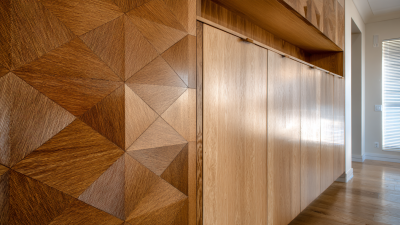
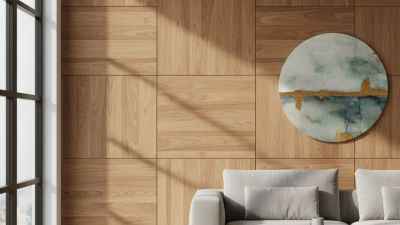
In the world of interior design, "Wood Veneer Paneling Walls" have become increasingly popular. Renowned design expert Mark D. Harrison states, "Wood Veneer offers a unique blend of elegance and warmth." These walls add depth and character to any space. Their versatility allows for various styles, from contemporary to rustic.
Visualizing these installations can be striking. Imagine a living room adorned with rich walnut veneer, creating a cozy yet sophisticated atmosphere. Or picture a sleek, minimalist office accented with light maple paneling, promoting focus and creativity. However, the choice of wood veneer is crucial. Different types carry different emotions and aesthetics.
Despite their appeal, it's essential to consider potential drawbacks. Wood veneer can be sensitive to humidity and temperature fluctuations. This factor may lead to issues over time. Making informed decisions about the finish and maintenance of "Wood Veneer Paneling Walls" is vital. The balance between beauty and practicality is always worth exploring.
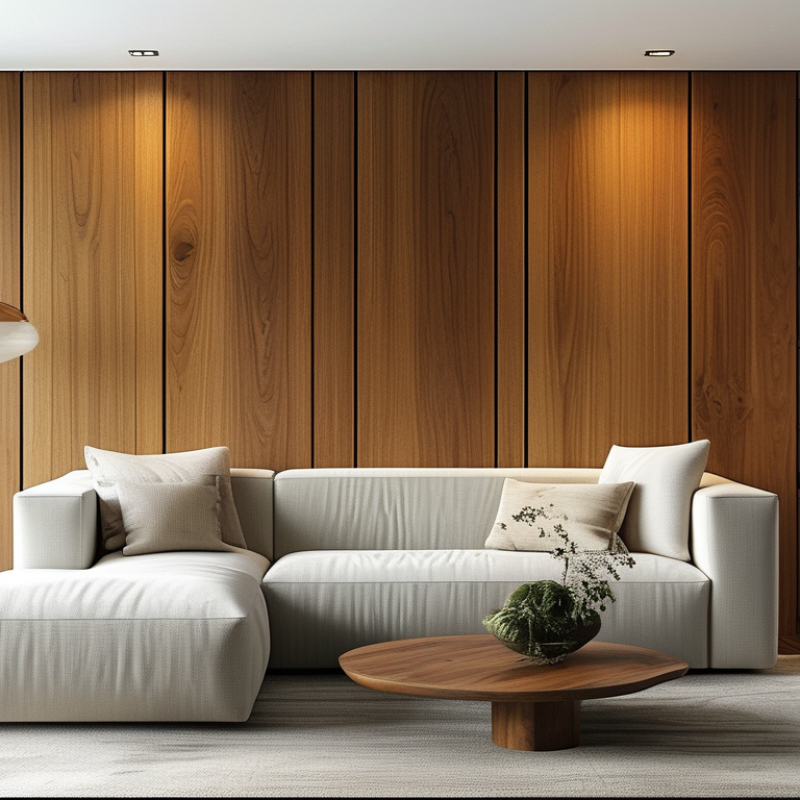
Benefits of Using Wood Veneer Paneling in Home Decoration
Wood veneer paneling is an effective choice for home decoration. It adds warmth and sophistication to any room. The natural patterns and textures of wood bring a unique charm. This material is versatile and can fit into various styles, from modern to rustic.
Using wood veneer paneling comes with several benefits. It is lighter than solid wood, making it easier to install. The cost is often lower, which allows for budget-friendly projects. With proper care, wood veneer can last a long time. However, it may require maintenance to avoid damage.
Another important aspect to consider is the environmental impact. Wood veneers often come from sustainably sourced materials. This choice can reduce waste compared to solid wood options. As a result, you get beauty and sustainability in one package. Reflecting on these advantages helps create a balanced approach to home decoration.
Popular Wood Veneer Materials for Paneling Walls
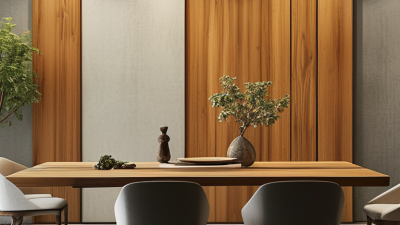
When choosing wood veneer materials for paneling walls, several options stand out. Birch offers a smooth finish, ideal for modern interiors. It has a light color that creates an airy feel. Walnut, with its rich tones, brings warmth to any room. Its natural grain patterns add a sense of luxury. Oak is another popular choice, known for its durability and classic appeal. It can enhance both rustic and contemporary designs.
Exploring less common materials like bamboo can offer a unique touch. Bamboo is eco-friendly and provides a distinct look. Its rapid growth makes it a sustainable option. However, finding high-quality bamboo veneers can be challenging. Some may not meet durability standards. Additionally, reclaimed wood veneers can also tell a story. They often exhibit character through knots and variations. However, consistency in quality can vary.
Incorporating mixed wood veneers can create an intriguing visual effect. This approach allows for creativity but requires careful selection to avoid clashing tones. The overlap of different grains can be striking. Nevertheless, balancing colors and textures may pose a challenge. Thoughtful planning is essential to ensure a cohesive design.
Creative Design Ideas for Wood Veneer Paneling in Different Rooms
Wood veneer paneling is a versatile choice for home decoration. It adds warmth and texture to various rooms. In living areas, consider using a light-colored veneer to create a cozy atmosphere. A dark, rich wood can make a bold statement. Incorporating horizontal and vertical patterns can enhance visual depth, making the space feel larger or more inviting.
In bedrooms, wood veneer can transform the environment into a serene retreat. A headboard made from woven wood panels can serve as a stunning focal point. Opting for natural finishes allows the grain to shine, promoting a calm vibe. However, the selection process can be tricky. Finding the right shade that complements your decor may take time.
Kitchens offer another unique opportunity for wood veneer. Instead of traditional cabinetry, a veneered backsplash can add sophistication. Pair it with stainless steel for a chic contrast. This approach can be overwhelming, as the risk of clashing finishes looms. Exploring different textures and patterns can lead to unexpected successes or challenges. Keeping an open mind helps in discovering the perfect balance.
Top Wood Veneer Paneling Walls for Home Decoration Ideas
| Room |
Wood Type |
Finish |
Design Style |
Color Tone |
| Living Room |
Oak |
Matte |
Modern |
Natural |
| Bedroom |
Maple |
Glossy |
Contemporary |
Warm Beige |
| Dining Room |
Walnut |
Satin |
Rustic |
Dark Brown |
| Kitchen |
Birch |
Semi-Gloss |
Minimalist |
Light Cream |
| Home Office |
Cherry |
Matte |
Traditional |
Rich Red |
Maintenance Tips for Wood Veneer Paneling to Ensure Longevity
Wood veneer paneling adds warmth and sophistication to any home. Proper maintenance is crucial to ensure its longevity. According to the Wood Products Council, well-maintained wood surfaces can last over 30 years. However, without care, they may deteriorate much faster.
Regular cleaning is essential. Use a soft cloth for dust and debris. Avoid harsh chemicals that can damage the veneer. Instead, opt for a mixture of mild soap and water. A gentle cleaner preserves the finish without stripping essential oils. Additionally, moisture control is vital; too much humidity can warp veneer. Aim to keep indoor humidity levels between 35% and 50%.
Protect your wood veneer from direct sunlight. Ultraviolet rays can cause fading. Consider using curtains or blinds for added protection. The National Wood Flooring Association recommends refinishing veneer every 5 to 10 years, depending on wear and tear. Inspect your paneling regularly for signs of damage, such as scratches or discoloration. Early intervention can prevent costly repairs later on.
Combining Wood Veneer Paneling with Other Interior Design Elements
Wood veneer paneling offers a warm and inviting aesthetic to any home. Pairing it with other design elements can elevate your space. For instance, consider contrasting it with metal accents. A sleek steel lighting fixture can create an interesting dialogue with the organic texture of veneer. This blend of materials fosters a balance between rustic charm and modern elegance.
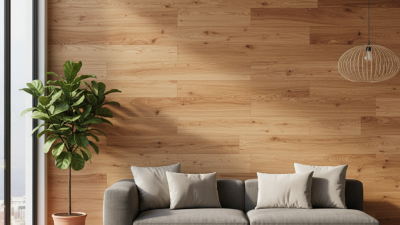
Another idea is to combine wood veneer with textured fabrics. Cushioned furniture, upholstered in rich textiles, complements wood's natural appeal. Try a cozy velvet sofa against a veneer wall. The softness of the fabric brings comfort, while the veneer adds sophistication. Using varying wood tones can also enhance depth. However, be cautious; too many contrasting elements can lead to visual chaos.
When integrating wood veneer, think about the overall color palette. Subtle hues can harmonize the space. But don't hesitate to experiment with bold colors too. A striking accent wall might clash with the paneling, which could challenge your design instincts. Reflect on how these interactions shape your overall style. Embracing imperfection can lead to remarkable results in your home decoration journey.
Top Wood Veneer Paneling Walls for Home Decoration Ideas