How to Choose Modern Wood Veneer Paneling for Your Project?
Choosing the right materials can greatly impact your project. Modern Wood Veneer Paneling is a beautiful option that combines style and functionality. It adds warmth and elegance to any space. This versatile material can suit various designs, from contemporary to rustic.
When selecting Modern Wood Veneer Paneling, consider its source and quality. Not all panels are created equal. Look for reputable suppliers who provide detailed information about their products. This ensures you receive a reliable and durable material. Remember, sustainability is key. Choosing eco-friendly options reflects a commitment to the environment.
Aesthetic appeal is essential, but it’s not the only factor. Think about the texture and finish. Some veneers have rich grains that enhance the overall look and feel. However, some may require extra maintenance or may not hold up well over time. Reflect on what fits your lifestyle and budget best. Embrace the process; it’s okay to explore various styles before making a decision.
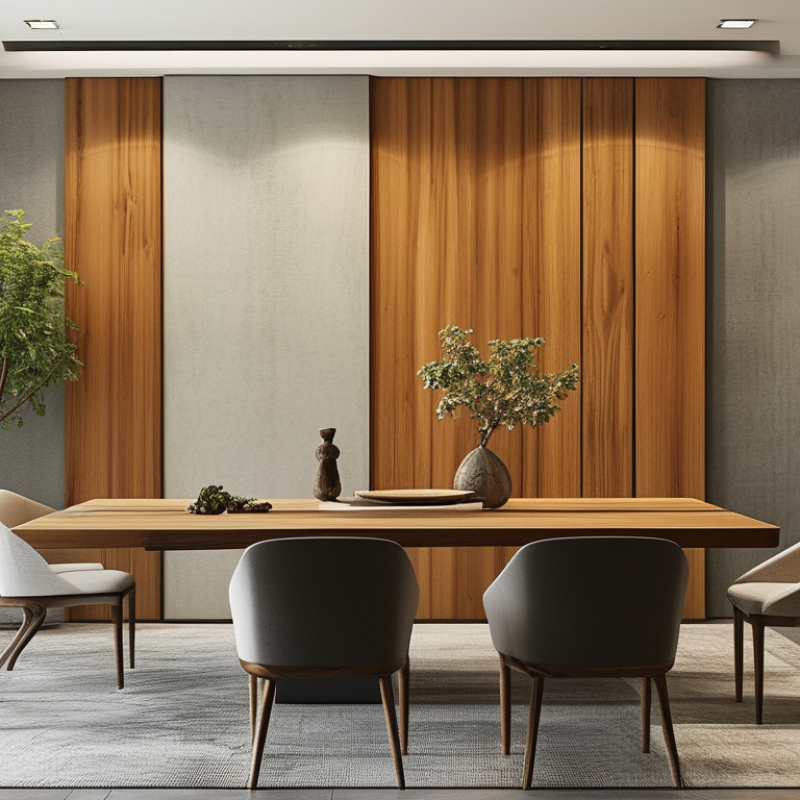
Understanding the Benefits of Wood Veneer Panels in Modern Design
Wood veneer panels offer significant benefits in modern design. According to a recent report from the Wood Products Council, these panels are not only visually appealing but also environmentally friendly. They use less hardwood compared to solid wood products. This makes them a sustainable choice, reducing the demand for logging.
The aesthetic versatility of wood veneer is another highlight. Designers can achieve a range of looks, from rustic to contemporary. Different wood species, grain patterns, and finishes allow for personalized designs. However, the complexity and cost of acquiring high-quality veneers cannot be overlooked. Time must be spent in selecting the right material.
Additionally, the durability of these panels deserves attention. A study by the Composite Panel Association indicates that wood veneer panels resist warping and cracking when properly maintained. Yet, achieving this durability requires careful handling and regular upkeep. Many consumers underestimate the effort needed for long-lasting beauty. While wood veneer panels have many advantages, they also demand a commitment to care and ongoing maintenance.
Types of Wood Veneer Used in Paneling: A Comprehensive Overview
When selecting wood veneer for paneling, it's essential to understand the different types available. There are several categories, each with unique characteristics. Natural wood veneer features an authentic wood grain and texture. It offers a timeless aesthetic, perfect for rustic or traditional designs. On the other hand, reconstituted wood veneer uses processed materials to mimic the look of various species. This can provide a more uniform appearance, often at a lower cost.
The choice between these types doesn't just depend on budget. Durability is another factor. Natural veneers can be relatively thin and might require careful handling. Meanwhile, reconstituted options are more resilient and easier to maintain. Consider where the paneling will be installed. High-traffic areas may benefit from tougher materials, while decorative spaces can afford more delicate choices.
Be mindful of the environmental impact as well. Some veneers are sourced sustainably, while others may raise concerns. Research suppliers to ensure responsible practices. It’s good to remember that each material has its pros and cons. Finding the right balance between aesthetics, practicality, and ethics will lead to a more satisfying choice for your project.
How to Choose Modern Wood Veneer Paneling for Your Project? - Types of Wood Veneer Used in Paneling: A Comprehensive Overview
| Type of Wood Veneer |
Common Uses |
Benefits |
Considerations |
| Birch |
Cabinetry, Furniture |
Durable, Light Color |
Can be prone to denting |
| Oak |
Flooring, Paneling |
Strong, Warm Tone |
Heavy, May darken over time |
| Walnut |
High-end Furniture, Paneling |
Rich Color, Unique Grain |
Expensive, Can scratch easily |
| Maple |
Cabinetry, Countertops |
Hard, Smooth Finish |
Can yellow with age |
| Cherry |
Furniture, Cabinetry |
Aging Gracefully, Warm Red Tone |
Expensive, Can darken significantly |
Key Factors to Consider When Selecting Wood Veneer for Your Project
Choosing the right modern wood veneer paneling for your project can be challenging. The first key factor to consider is the type of wood. Different species offer varying grain patterns and colors. For instance, oak brings warmth, while walnut provides a rich look. Understanding the wood's natural attributes enhances your design choices.
Another crucial aspect is the veneer thickness. Thicker veneers are more durable, making them ideal for high-traffic areas. However, they might be less flexible during installation. On the other hand, thinner veneers are easier to work with but may not withstand heavy wear. Balancing durability and application is essential.
Consider the finishing technique as well. A matte finish might suit a modern aesthetic, while a glossy finish can add elegance. Keep in mind that each finish interacts with light differently. This is important for creating your desired ambience. Reflect on these factors carefully. The right wood veneer can elevate your project, but the wrong choice may lead to dissatisfaction.
Sustainability and Sourcing: The Environmental Impact of Wood Veneers
When selecting wood veneer paneling, sustainability is a crucial factor. Many wood veneers come from sustainable sources, but this is not universally true. Researching the origin of the veneer is necessary. Look for certifications like FSC, which ensure responsible management of forests.
It's essential to consider the environmental impact of wood veneers. The harvesting process should not lead to deforestation or habitat destruction. Yet, many veneers could be sourced irresponsibly, which raises questions about their impact on local ecosystems.
Choosing local veneers can reduce carbon footprints. Transporting materials often contributes significantly to pollution. However, local options may not always be available, leaving you to weigh other factors. Each choice carries potential drawbacks. Keeping ethical and environmental impacts in mind can guide a more informed decision.
Installation Techniques: Maximizing Aesthetic Appeal and Durability
When installing modern wood veneer paneling, proper techniques can greatly enhance both aesthetics and durability. Start by ensuring a clean surface. Dust and debris can impact adhesion. Use a level to verify that your base is even. An uneven base can lead to warping over time. Simple preparation sets the stage for a flawless installation.
Selecting the right adhesive is crucial. Not all adhesives are created equal; some offer more flexibility and strength than others. Apply the adhesive evenly to avoid bubbles. Use a roller or brush to spread it out. Pay attention to the edges. They are often the first to peel if not secured properly.
During installation, maintain consistent pressure against the paneling. This ensures a tight bond. Consider the orientation of the panels as well. Horizontal or vertical layouts can change the room’s perception. However, it may take some trial and error to find the best fit for your space. Room conditions, such as humidity and temperature, may also affect the final outcome. Realizing that every installation has its challenges can help in making adjustments for future projects.