Top 10 PVC Wall Panel WPC Design Trends You Should Know?
In recent years, the "PVC Wall Panel WPC Design" has emerged as a popular choice for both residential and commercial spaces. This trend reflects a growing preference for sustainable, stylish solutions in interior design. With increasing innovation, today's designs offer a range of styles and finishes that appeal to diverse tastes.
Exploring the latest trends in PVC wall panels reveals an exciting fusion of aesthetic appeal and durability. These panels provide an eco-friendly alternative with minimal maintenance and long-lasting performance. Each design trend highlights the versatility of PVC wall panels, making them suitable for any room.
However, challenges exist. As new styles emerge, some traditional aesthetics may feel overlooked. Designers must balance innovation with timeless appeal. By thoughtfully considering these trends, homeowners can create spaces that are both modern and welcoming.
Understanding the Benefits of PVC Wall Panels: An Industry Overview
PVC wall panels are gaining popularity for their versatile design and practical benefits. They provide an excellent alternative to traditional wall coverings. Understanding their advantages is key to making informed choices in interior design.
One major benefit of PVC wall panels is their durability. They are resistant to moisture, making them ideal for high-humidity areas. This resistance reduces the risk of mold and mildew. Additionally, their lightweight nature facilitates easy installation and transport, saving time and effort. Yet, some users find it challenging to match colors and textures with existing decor.
Maintenance is another crucial factor. PVC wall panels are easy to clean and maintain, requiring only basic cleaning supplies. This feature is particularly beneficial for those with busy lifestyles. However, one should consider the environmental impact of plastic materials. Sustainable choices should remain a priority when selecting building materials.
Tips: When choosing PVC panels, consider both your aesthetic preferences and functional needs. Ensure to check the specifications for installation and maintenance. Always consult with a professional if you're unsure about your choices.
Emerging Design Trends in WPC: Sustainability and Aesthetic Appeal
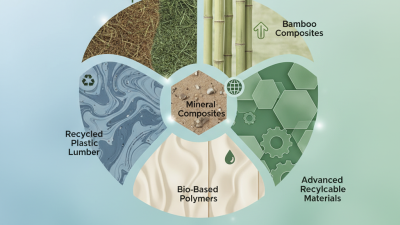
The rise of WPC (Wood Plastic Composite) design trends emphasizes sustainability and aesthetic appeal. According to a recent industry report, the WPC market is projected to reach $11.5 billion by 2025, driven by eco-conscious consumers. More designers are opting for PVC wall panels due to their recycled content and durability. This choice supports the growing demand for sustainable building materials.
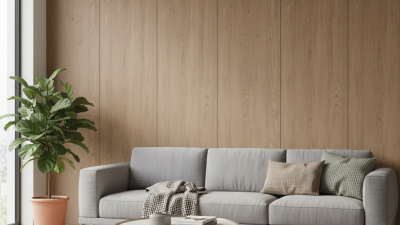
Sustainable designs often incorporate natural textures and earthy colors. Warm browns, deep greens, and muted greys are prevalent in current trends. These elements create a calming environment while reinforcing a connection to nature. In urban settings, WPC panels can mimic traditional wood without the environmental impact. A survey by the Sustainable Forestry Initiative indicated that 75% of homeowners prefer eco-friendly materials in renovation projects, reflecting a significant shift in consumer behavior.
Challenges in sourcing high-quality materials remain a concern. Not all WPC products are created equal; some may lack longevity or sustainability claims. Additionally, manufacturers must balance aesthetics with practicality. Finding the right mix can be complex. Ultimately, the emergence of WPC design trends invites ongoing dialogue about materials, craftsmanship, and responsible sourcing.
Color and Texture Innovations in PVC Wall Panel Designs for 2023
In 2023, color and texture innovations in PVC wall panels are transforming interior design. Recent reports indicate a growing demand for versatile wall solutions that offer both aesthetic appeal and functionality. Current trends highlight the rise of bold hues, including deep blues and vibrant greens, which create striking focal points. Design experts suggest that these colors can enhance mood and energy within a space.
Texture is another important aspect. Matte finishes and 3D designs are gaining traction, adding depth to walls. Data from industry surveys indicate that textured panels are becoming popular for their ability to mimic natural materials. They offer a stylish alternative, providing the warmth of wood or stone without the maintenance hassles. Homeowners increasingly prefer features that are both stylish and practical.
Tip: When selecting a PVC wall panel, consider its compatibility with existing decor. Choose colors that either complement or contrast sharply for maximized visual impact.
Moreover, think about longevity. Panels with UV resistance and moisture-proof qualities ensure durability. It's essential to prioritize quality to avoid replacements that can be costly.
By understanding these trends and tips, you can make informed decisions when selecting PVC wall panels for your space.
Market Analysis: Consumer Preferences for PVC and WPC Wall Panels
Consumer preferences for PVC and WPC wall panels have significantly evolved in recent years. A recent report from Grand View Research highlights that the global market for these materials is expected to grow at a CAGR of 7.5% from 2023 to 2030. This growth reflects consumers’ desires for sustainable, low-maintenance, and aesthetically appealing design options.
Data suggests that 45% of homeowners prefer wall panels that replicate natural materials. This trend emphasizes the shift towards more environmentally friendly options. For instance, WPC panels provide the look of wood without the associated maintenance issues. Additionally, 32% of consumers noted the importance of water resistance in their choice. This characteristic makes PVC and WPC ideal for areas prone to moisture, such as kitchens and bathrooms.
However, not all consumers are fully aware of the long-term benefits. A segment still perceives these materials as less durable than traditional wood. Addressing these misconceptions can help manufacturers enhance market reach. Failing to communicate the value and benefits of PVC and WPC may hinder growth. Therefore, continuous education on these products is crucial for driving consumer acceptance and expanding market possibilities.
Installation Techniques and Cost Efficiency of Modern PVC Wall Panels
Modern PVC wall panels offer innovative design possibilities and impressive cost efficiency. Their installation techniques can significantly impact overall project timelines. Typically, these panels can be installed quickly due to their lightweight nature. This aspect reduces labor costs. With proper planning, installation can be done in a single day.
However, not all installation methods are equal. Some require precise measuring and cutting for a seamless fit. Mistakes can lead to increased waste and additional costs. It's essential to consider the skill level of the installation team. An inexperienced installer may struggle and slow down the process. Therefore, investing in trained professionals can save time and money.
Cost efficiency is another significant factor. While PVC panels may have a higher upfront cost compared to traditional materials, their durability offsets this. They resist moisture, mold, and fading. Maintenance costs drop significantly over time. Homeowners and builders alike appreciate these long-term savings. Ultimately, understanding these installation techniques and their implications on costs is crucial for making informed decisions.