How to Choose Wpc Cladding Wall Panels for Your Project?
When choosing Wpc Cladding Wall Panels for your project, consulting with experts can offer invaluable insights. For instance, John Smith, a leading authority in exterior design, emphasizes, “Selecting the right Wpc Cladding Wall Panel is crucial for both aesthetics and durability.” His expertise guides many architects and builders in making informed decisions.
Wpc Cladding Wall Panels provide an excellent blend of beauty and functionality. They are designed to withstand various environmental factors while enhancing a property's appearance. However, not all panels are created equal. Factors such as material quality, finish, and installation methods should be considered carefully. These decisions can significantly affect the project’s longevity and visual appeal.
While many may get lost in the endless options available, careful reflection on key requirements is essential. Consider how the Wpc Cladding Wall Panel will fit into the overall design scheme. Each choice you make shapes the end result. Exploring various textures and colors could lead to creating a unique aesthetic, but be cautious of trends that may not stand the test of time. Thoughtful consideration will lead to more satisfying outcomes.
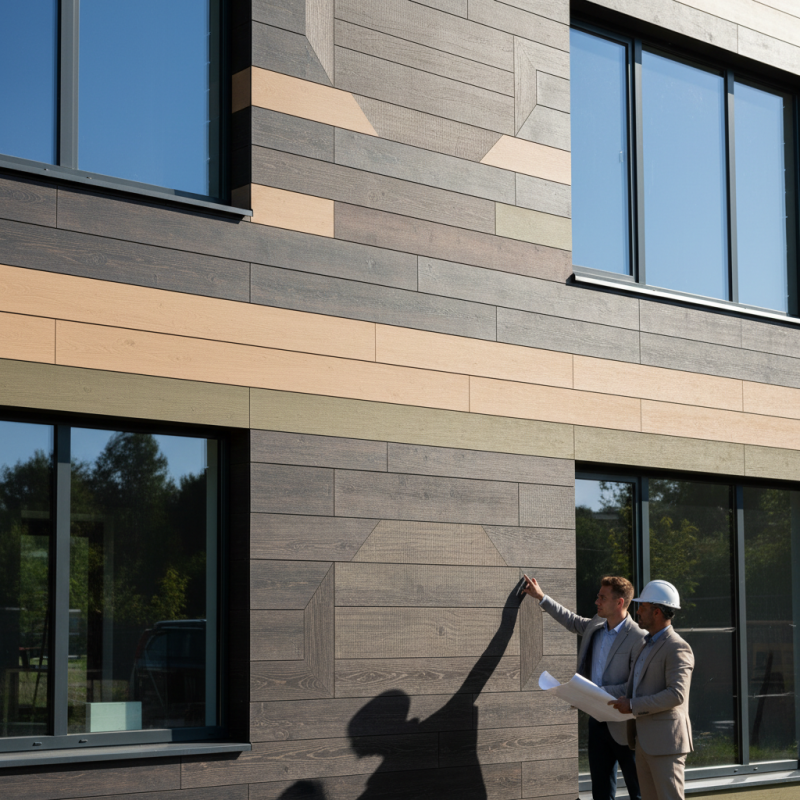
Understanding WPC Cladding: What It Is and Its Benefits
WPC cladding, or wood-plastic composite cladding, is an innovative building material combining wood fibers and recycled plastics. This combination not only enhances durability but also offers a sustainable alternative to traditional wood. According to a report by the Composite Panel Association, WPC materials can last up to 50 years with low maintenance. This significantly reduces the need for frequent replacements, a common issue with conventional cladding options.
The benefits of WPC cladding are manifold. It is resistant to moisture, rot, and insects, making it ideal for various climates. Additionally, it does not require painting or staining, saving time and costs on upkeep. In a study by MarketsandMarkets, the global wood-plastic composite market is expected to reach $6 billion by 2025, highlighting its rising popularity among builders and homeowners alike. This trend indicates a strong shift towards sustainable building practices.
When selecting WPC cladding, consider the environment it's in. Areas with high moisture or direct sun exposure may require specific variations of WPC. It's also vital to look for certifications, ensuring the materials meet safety and sustainability standards. Lastly, assess the color and texture options, as they can significantly impact the overall aesthetic appeal of your project.
WPC Cladding Wall Panels - Benefits Comparison
Key Factors to Consider When Selecting WPC Wall Panels
When selecting WPC cladding wall panels for your project, several key factors must be considered.
First, the durability of the material is critical. According to a recent industry report,
WPC (Wood Plastic Composite) can last up to 25 years with proper maintenance.
This longevity makes it an attractive option for various applications, from residential to commercial.
Another vital aspect is the environmental impact. WPC panels are often made from recycled materials, promoting sustainability.
A credible study found that choosing WPC can reduce carbon emissions by 30% compared to traditional materials.
This creates a win-win situation for architects and builders who prioritize eco-friendly products in their projects.
Tip: Always check for certifications. Look for products that meet industry standards for safety and durability.
It can save you from potential regrets later.
Aesthetics should not be overlooked. WPC panels come in various colors and textures, mimicking natural wood or stone.
However, be cautious about color fading, which can occur with lower-quality products.
Weighing up these options ensures you choose panels that enhance your design vision.
Tip: Visit projects that use similar WPC products. This firsthand experience can help you make better-informed decisions.
Analyzing Environmental Impact: WPC vs Traditional Materials
When evaluating the environmental impact of materials, WPC (Wood Plastic Composite) cladding emerges as a notable alternative to traditional materials like wood and PVC. According to a study by the Forest Stewardship Council, using WPC can reduce the demand for harvested wood, which helps mitigate deforestation. This is essential, given that over 4 billion trees are cut down annually for wood products.
WPC is not just about sustainability; it's also about reducing waste. Research from the U.S. Environmental Protection Agency shows that traditional wood cladding often leads to significant waste during installation and production. In contrast, WPC panels utilize recycled materials, which can lower overall project waste by up to 30%. However, the production of WPC does come with its own environmental costs, such as the energy consumed during the manufacturing process.
Moreover, WPC has a longer lifespan than traditional wood, requiring less frequent replacement. This longevity can translate into lower carbon footprints over time. Still, some studies argue that while WPC is beneficial, its production involves non-renewable resources, raising concerns about sustainability. Balancing these factors is crucial for making informed choices in construction projects.
Industry Trends: Popular Designs and Colors in WPC Cladding
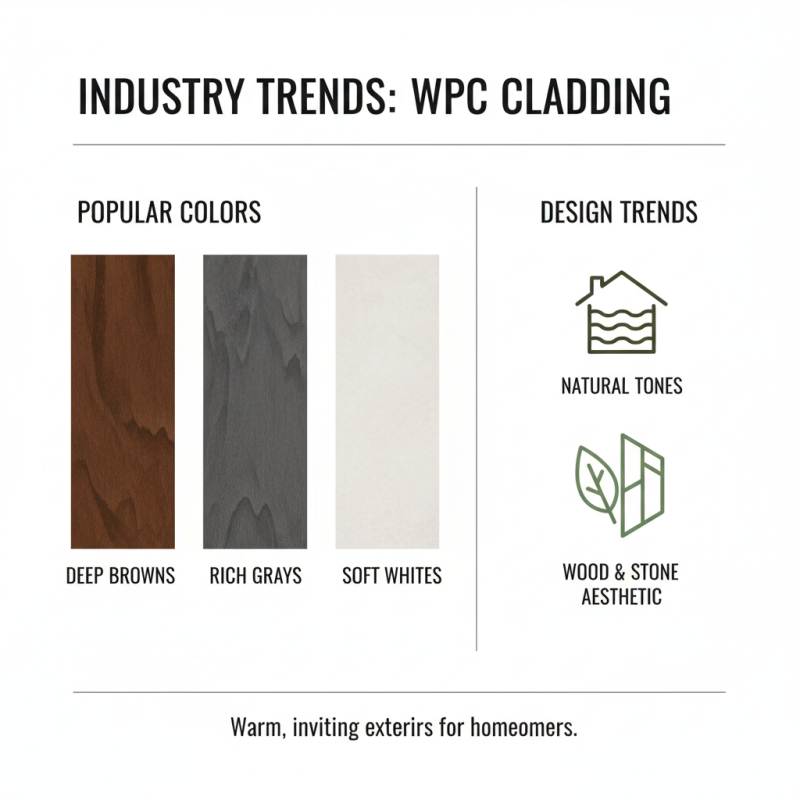
When considering WPC cladding, color and design trends play a crucial role. Recent industry reports indicate a shift towards natural tones. Shades like deep browns, rich greys, and soft whites have risen in popularity. These colors mimic wood and stone, appealing to many. They create a warm, inviting exterior that attracts homeowners.
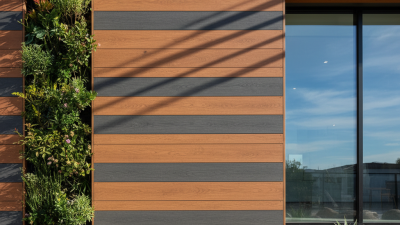
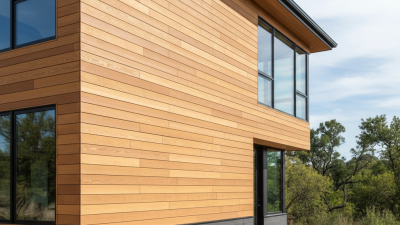
The design landscape is also evolving. Horizontal cladding boards have gained traction for their sleek look. Textured finishes add character and depth. Homeowners often report a preference for low-maintenance solutions. This aligns with the findings from a 2022 survey, where 68% of respondents highlighted durability as a key factor in material choice.
However, not all WPC cladding offers the same quality. Some products lack UV protection and can fade over time. This concern emphasizes the need for thorough research before purchase. Investing time upfront can prevent future disappointments. Selecting the right panels impacts not just aesthetics, but also long-term satisfaction.
Cost Analysis: Budgeting for WPC Cladding in Your Project
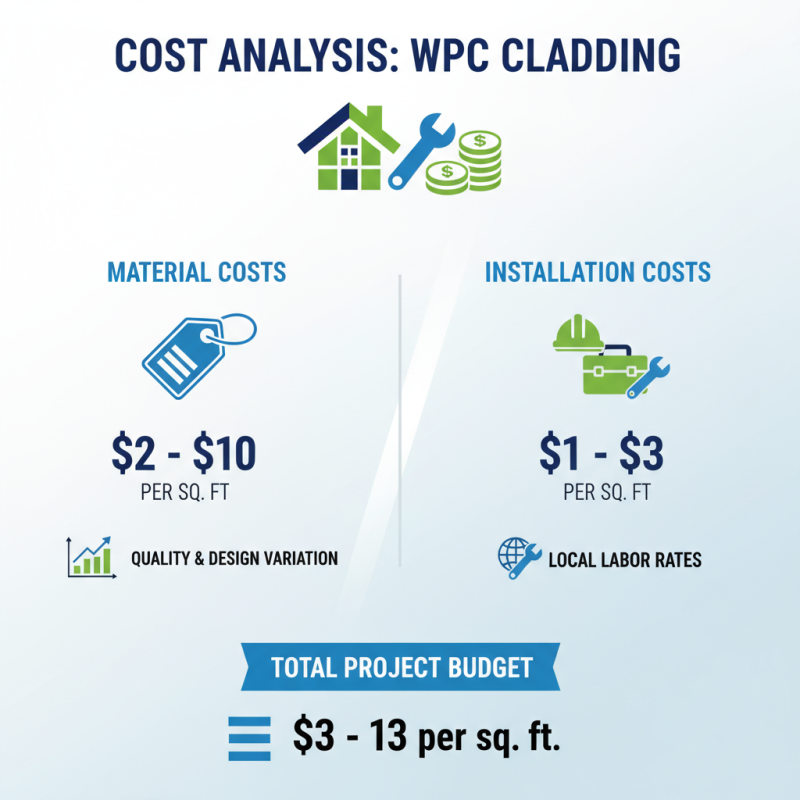
When budgeting for WPC cladding in your project, consider both material and installation costs. Studies show that WPC cladding typically ranges from $2 to $10 per square foot. Depending on quality and design, this can significantly affect your overall budget. Installation costs should also be factored in, usually between $1 and $3 per square foot, depending on local labor rates.
Tips: Research local prices. Examine any hidden costs, like shipping and handling. Always get at least three quotes from contractors. This can save you money.
Beyond material costs, maintenance is another factor. WPC cladding is known for its durability, requiring less upkeep than traditional wood. However, be aware that initial costs may be higher. A well-planned budget can reduce long-term expenses. Poor budgeting can lead to project delays or compromises in quality.
Tips: Allocate an extra 10% for unexpected expenses. Keep track of spending throughout the project. Regularly assess your budget to avoid overspending.