How to Choose Alternative Wood PVC for Your Projects?
In the evolving world of construction materials, Alternative Wood PVC has emerged as a pioneering choice. Experts in the field, like Dr. Jane Miller, emphasize its versatility: "Alternative Wood PVC combines sustainability with durability, making it ideal for modern projects." This blend allows homeowners and builders to enhance aesthetics while minimizing environmental impact.
Selecting the right Alternative Wood PVC can be challenging. With various options available, you need to consider factors like design, durability, and texture. Some products may not meet expectations, leaving users disappointed. Quality assurance is crucial. Seek reputable manufacturers known for their standards.
Moreover, as technologies advance, it’s essential to stay informed. Misleading claims can result in costly mistakes. Engaging with professionals can help navigate this complex market. With the right knowledge, your projects can benefit immensely from Alternative Wood PVC, achieving both function and style.
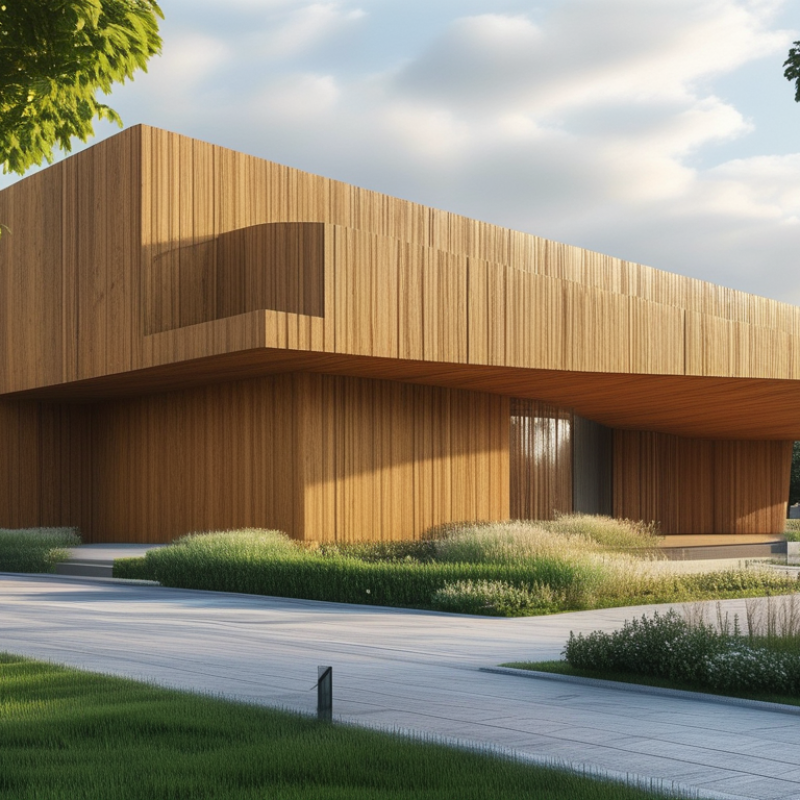
Understanding the Benefits of Alternative Wood PVC for Projects
When choosing alternative wood PVC for projects, it's essential to understand its benefits. Alternative wood PVC combines the aesthetic appeal of traditional wood with enhanced durability. This material resists rot, warping, and insect damage, making it a practical choice for outdoor applications. Moreover, it often requires less maintenance, saving both time and resources.
Consider these tips when selecting alternative wood PVC. Look for products that emphasize sustainability. Recycled materials reduce environmental impact. Check for certifications that ensure quality and longevity. It can be tempting to go for the lowest price, but investment in quality will pay off in the long run.
Additionally, think about texture and color. Alternative wood PVC offers a variety of finishes. Experiment with samples to see what fits your vision best. Don’t overlook the importance of compatibility. Make sure it pairs well with other materials in your project. Each choice shapes the final result, so take your time. Balancing aesthetics and practicality is key to achieving the best outcome.
Identifying the Types of Alternative Wood PVC Available in the Market
When exploring alternative wood PVC, it's essential to know the types available in the market. Alternative wood PVC combines the aesthetics of traditional wood with the durability of synthetic materials. This combination makes it appealing for various projects, from decking to furniture.
There are several types of alternative wood PVC products. Some mimic the look of hardwood, while others resemble softwoods. The textures can vary, offering smooth or grainy finishes. This diversity allows for flexibility depending on the desired application.
Not all products are created equal. Some may fade over time or warp, especially in extreme weather. It’s crucial to research the specific materials and their long-term performance. A well-informed choice can enhance your project’s sustainability and aesthetics. Always consider the environmental impact of your choices. Balancing beauty and function is key.
How to Choose Alternative Wood PVC for Your Projects?
| Type of Alternative Wood PVC |
Suitability for Projects |
Durability |
Maintenance Requirements |
Price Range (per sq ft) |
| Recycled Wood PVC |
Good for decking and outdoor furniture |
Highly durable, resistant to rotting |
Low maintenance, occasional cleaning required |
$4 - $8 |
| Synthetic Wood PVC |
Ideal for indoor applications and cabinetry |
Very durable, not susceptible to pests |
Very low maintenance, wipe clean |
$3 - $7 |
| Composite Wood PVC |
Versatile for a variety of construction projects |
Durable and long-lasting |
Moderate maintenance, periodic refinishing recommended |
$5 - $10 |
| WPC (Wood Plastic Composite) |
Best for outdoor decking and fencing |
Highly resistant to water and weather |
Minimal maintenance, does not require staining |
$6 - $12 |
Evaluating the Durability and Maintenance of Alternative Wood PVC
When considering alternative wood PVC for your projects,
durability is a key factor.
Unlike traditional wood, PVC is resistant to rot, insects, and moisture.
This makes it a viable option for outdoor use.
However, not all PVC products are created equally.
Some might become brittle over time, especially in extreme temperatures.
It’s crucial to inspect the material before purchasing.
Maintenance is another important aspect.
PVC requires less upkeep than wood, needing only occasional cleaning.
However, dirt and debris can accumulate, leading to surface discoloration.
It is advisable to establish a regular cleaning schedule.
Use a gentle cleaner to avoid damaging the surface.
Also, be mindful of potential scratches or scuffs from heavy objects.
In the long run, the choice of material impacts your project’s lifespan and appearance.
It’s worthwhile to weigh the pros and cons of alternative wood PVC against traditional options.
Consider your specific needs and environment.
This reflection will help ensure your investment pays off.
Comparing Costs: Alternative Wood PVC vs Traditional Wood Materials
When considering materials for projects, cost plays a significant role.
Alternative wood PVC usually offers a more budget-friendly option than traditional wood.
For instance, while natural wood prices fluctuate due to market demand, PVC is often more stable in cost, making it easier for project budgeting.
Initial costs for alternative wood PVC can be lower, which means more resources can be allocated to other project areas.
However, it's essential to weigh long-term costs as well.
Traditional wood may require more maintenance over time, leading to increased expenses.
In contrast, PVC typically needs less upkeep. Still, some might feel the upfront price of high-quality wood is worth the investment for aesthetic reasons.
Decisions depend heavily on personal values, such as environmental considerations and project longevity.
Reflecting on these factors will lead to more informed choices regarding material selection.
Sustainability Considerations When Choosing Alternative Wood PVC
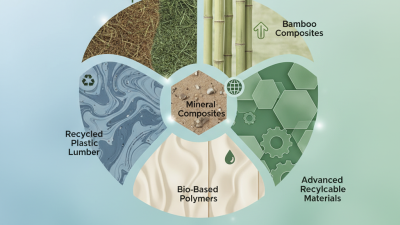
When selecting alternative wood PVC, sustainability is a pivotal concern. Reports from the Forest Stewardship Council highlight that over 80% of global deforestation is linked to unsustainable wood practices. Opting for alternative materials can alleviate some of this pressure. These materials often utilize recycled plastics or fibers, reducing waste and the demand for new timber.
Not all alternative wood PVC solutions are created equal. The life cycle analysis by the American Society of Testing and Materials reveals that some alternatives have lower carbon footprints than traditional wood. However, many still rely on non-renewable resources. Engaging with manufacturers about their sourcing is essential. Transparency in production processes can guide you towards genuinely sustainable choices.
The variability in product performance also prompts careful consideration. Not every alternative wood PVC offers durability or aesthetic appeal similar to natural wood. Some options may fade over time or require more maintenance. Evaluating these factors ensures that the chosen material meets both functional and environmental needs.
Alternative Wood PVC Sustainability Comparison
This chart illustrates the sustainability scores of various alternative wood PVC materials. Higher scores indicate a more sustainable option for your projects. Consider these factors when making a choice in order to promote environmental stewardship.