Top Indoor WPC Wall Panel Trends for 2026 What to Know?
The indoor WPC wall panel market is evolving rapidly, driven by innovation and consumer demand. According to a recent report by ResearchAndMarkets, the global WPC market is projected to reach $9 billion by 2026, growing at a CAGR of 10.5%. This growth highlights the increasing popularity of indoor WPC wall panels, which blend aesthetics, durability, and sustainability.
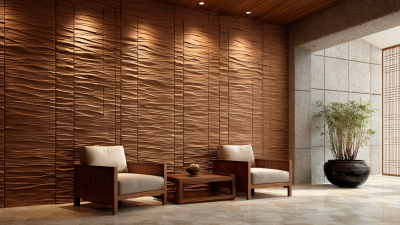
Design trends for indoor WPC wall panels are increasingly influenced by natural elements. Textured finishes and earthy tones are in high demand, providing a cozy atmosphere for various spaces. Data from the National Association of Home Builders indicates that aesthetic appeal is crucial—over 70% of homeowners prioritize design when choosing materials. This statistic underscores the need for manufacturers to focus on creating visually appealing products.
However, challenges remain. The market is competitive, and quality varies significantly among suppliers. Consumers should be vigilant when selecting indoor WPC wall panels, ensuring they choose reliable brands. As the market continues to expand, staying informed about the latest trends and technologies will be essential for making the best choices in 2026 and beyond.
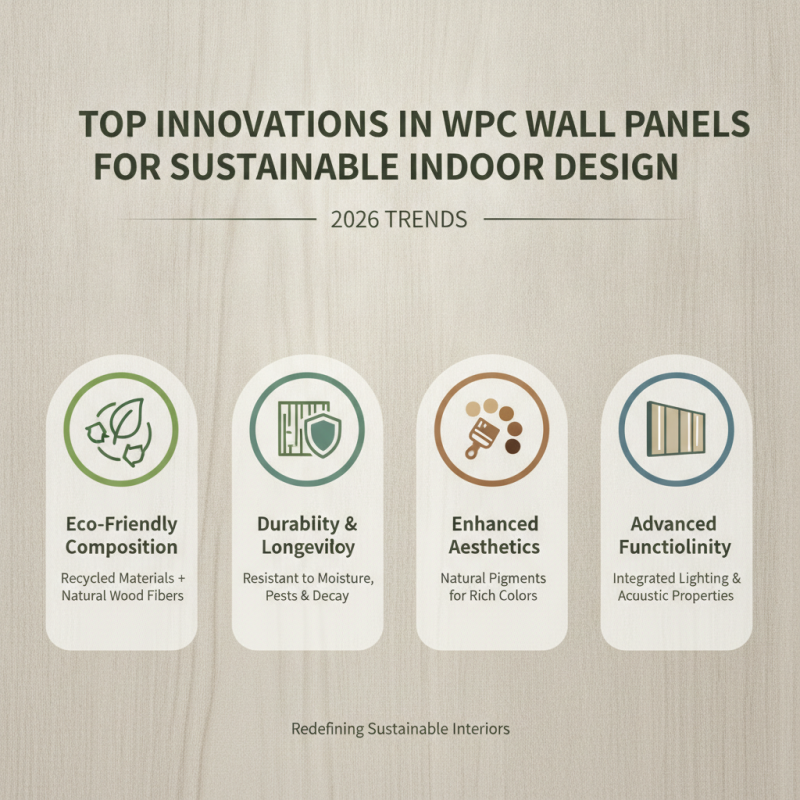
Top Innovations in WPC Wall Panels for Sustainable Indoor Design
Innovations in WPC wall panels are redefining sustainable indoor design. Wood-plastic composites (WPC) combine recycled materials with natural wood fibers. This combination results in a product that is both durable and environmentally friendly. In 2026, trends will focus on enhanced aesthetics and functionality. One notable innovation is the use of natural pigments for coloration, providing a variety of beautiful shades.
Tip: When selecting WPC for your interior, consider how colors and textures complement your existing décor. Test samples in different lighting to see how they look throughout the day.
Another trend is the incorporation of smart technology in WPC panels. These panels can be embedded with sensors for moisture control. Such features enhance the lifespan of the wall panels while maintaining the indoor air quality. A reflective finish can improve energy efficiency by reducing heat absorption.
Tip: Think about the practical benefits when choosing WPC panels. Are energy savings worth a higher upfront cost? Weigh your options and make informed decisions about your investment. Reflect on your priorities for aesthetics versus functionality.
Market Growth Projections for WPC Wall Panels in Residential Spaces
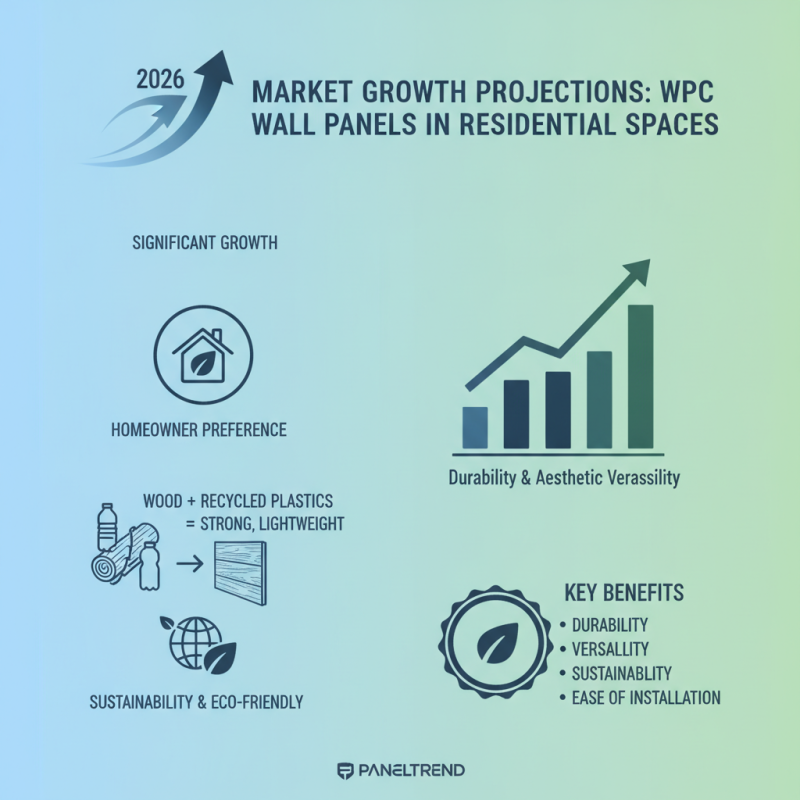
The market for Wood Plastic Composite (WPC) wall panels in residential spaces is set for significant growth by 2026. Homeowners increasingly prefer WPC panels due to their durability and aesthetic versatility. These panels combine wood fibers and recycled plastics, creating a strong yet lightweight option for interior walls. As sustainability gains importance, WPC panels align with eco-friendly trends.
Industry reports suggest that the demand for WPC wall panels will rise as design innovation continues. Homeowners are drawn to rich textures and customizable colors. In urban areas, limited space drives the need for functional and stylish solutions. WPC panels fulfill these needs, offering unique designs without compromising on quality. However, challenges remain in educating consumers about their benefits.
Despite the positive outlook, some issues still exist. There may be misconceptions about the material's environmental impact. Addressing these concerns is crucial for market growth. Additionally, ensuring consistent quality can be difficult during production. Overcoming these challenges will be vital for manufacturers and consumers alike, ensuring a brighter future for WPC wall panels in residential design.
Key Aesthetic Trends Driving WPC Wall Panel Choices in 2026
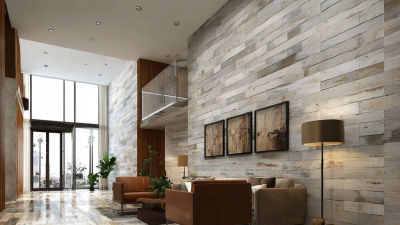
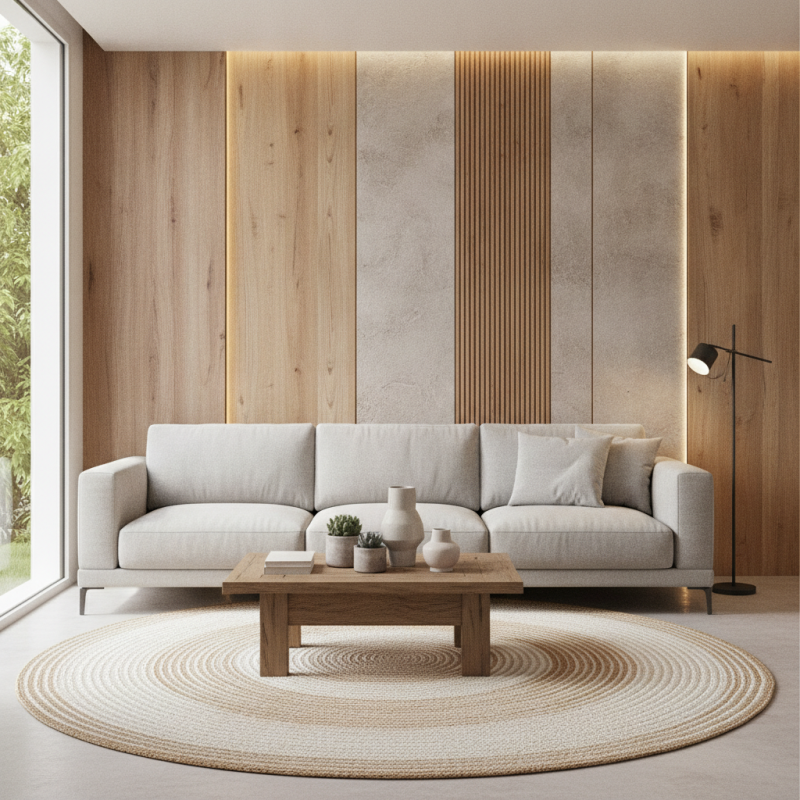
In 2026, the aesthetic trends for WPC wall panels are evolving significantly. One notable shift is the demand for natural textures. Designers are leaning towards finishes that mimic wood grain and stone. This trend creates a warm, inviting atmosphere in indoor spaces. The appeal lies in the authenticity these textures bring, transforming walls into focal points.
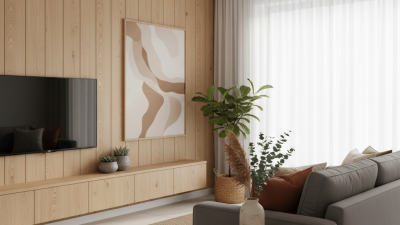
Color palettes are also changing. Earthy tones dominate, evoking a sense of calm. Shades like muted greens and warm beiges are popular. These colors not only blend with nature but also contribute to mental well-being. However, trends can sometimes make spaces feel predictable. It's essential to inject personality into design choices.
Another emerging trend is the mix of patterns and materials. Combining WPC panels with other materials, such as metal accents or textiles, adds depth. This eclectic approach can make a space feel more dynamic. Yet, achieving balance in such combinations is crucial. Too much variety can overwhelm rather than enhance. It's about finding harmony in diversity, which may require thoughtful experimentation.
Technological Advances Enhancing Durability and Performance of WPC Panels
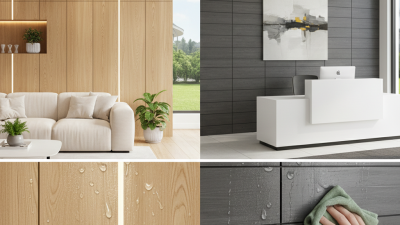
The rise of Wood Plastic Composite (WPC) wall panels is attributed to their innovation and durability. In 2026, technological advances will redefine how they perform. Enhanced manufacturing techniques will ensure WPC panels withstand moisture and temperature fluctuations. This resilience makes them ideal for various indoor settings.
Recent advancements have led to the creation of more eco-friendly materials. New additives increase resistance to wear and tear, contributing to longer-lasting products. This development enhances the appeal for environmentally conscious consumers. However, the reliance on technology means ongoing maintenance is essential.
Some challenges still exist. It's crucial to balance cost and quality. Consumers may find it hard to discern genuine innovations from marketing claims. Relying on expert opinions and reviews can help navigate these complexities. Future trends promise improvement, but vigilance in material choice remains key.
Consumer Preferences Shaping the Future of Indoor WPC Wall Panel Design
As we approach 2026, consumer preferences are significantly influencing the design of Indoor Wood Plastic Composite (WPC) wall panels. Many homeowners now seek eco-friendly materials that blend style with sustainability. They appreciate products that utilize recycled materials. This shift promotes a modern aesthetic while reducing environmental impact.
Texture also plays a crucial role. Smooth, sleek finishes are on the rise, but some consumers crave more rustic, tactile surfaces. These textures add depth and interest to interior spaces. Color trends are shifting too. While neutral tones remain popular, vibrant hues are gaining traction, allowing for more personalized designs.
However, some challenges persist. The durability of WPC remains a concern for some buyers. They question how well these panels can withstand wear and tear over time. Additionally, price can be a barrier. High-quality options may deter budget-conscious consumers. Balancing aesthetics with practicality continues to shape the future of WPC wall panels.
Top Indoor WPC Wall Panel Trends for 2026
This chart illustrates the top consumer preferences shaping the future design of indoor WPC wall panels by 2026. The emphasis on sustainability leads the trends, followed by a desire for diverse designs, ease of installation, cost-effectiveness, and durability.