What is WPC Wall Cladding Benefits and Applications?
WPC wall cladding has gained popularity in modern architectural design. This innovative material combines wood fibers and recycled plastic, providing a durable solution for exterior and interior applications. According to a report by Transparency Market Research, the global WPC market is projected to grow significantly, driven by increasing consumer awareness and demand for sustainable solutions.
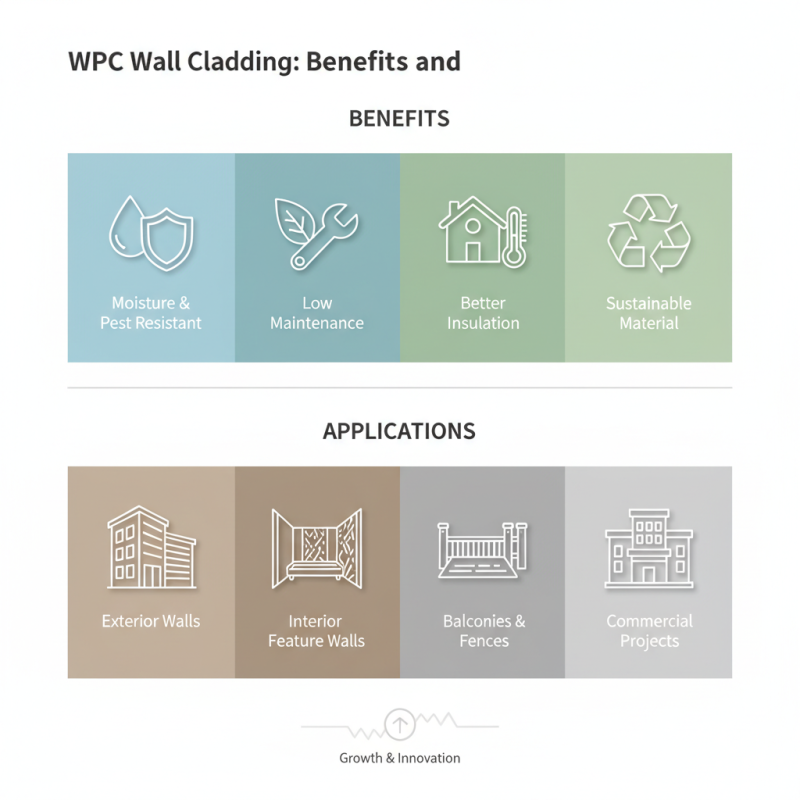
WPC wall cladding offers a range of benefits. It is resistant to moisture, pests, and decay, making it ideal for varying climates. Its low maintenance needs further enhance its appeal, as property owners can enjoy aesthetic benefits without the extensive upkeep associated with traditional materials. Moreover, some studies indicate that WPC products can reduce energy consumption by providing better insulation.
Despite its advantages, there are potential downsides. WPC wall cladding may fade under prolonged UV exposure, necessitating careful selection and installation. Additionally, the market still sees a degree of skepticism regarding long-term durability compared to conventional materials. As the industry matures, ongoing innovations aim to address these concerns, ensuring that WPC wall cladding remains a key player in sustainable construction.
What is WPC Wall Cladding?
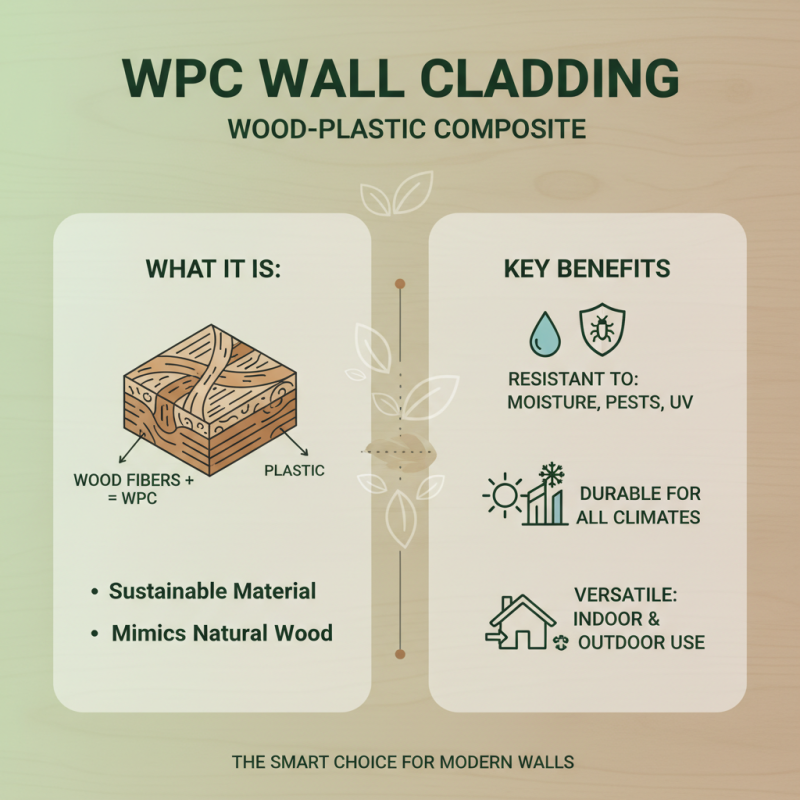
WPC wall cladding, or wood-plastic composite wall cladding, combines wood fibers and plastic. This innovative material offers a sustainable solution for outdoor and indoor applications. It mimics the appearance of natural wood while providing superior durability. WPC is resistant to moisture, pests, and UV radiation, making it ideal for various climates.
Some tips for using WPC wall cladding include choosing the right color and texture. Lighter colors may show dirt more easily. Textured finishes can enhance grip and create visual interest. It's important to consider the installation environment. WPC needs proper ventilation to avoid moisture buildup.
Another point to reflect on is the maintenance. While WPC requires less upkeep than wood, it still needs care. Regular cleaning helps maintain its appearance. Over time, some fading may occur, but the overall longevity of the material often outweighs this concern. Properly installed WPC can last many years, making it a wise investment.
Advantages of Using WPC Wall Cladding
WPC wall cladding, made from wood-plastic composites, has gained popularity in recent years. Many builders and homeowners appreciate its unique advantages. One significant benefit is its durability. Unlike traditional wood, WPC is resistant to rot and insects. This feature ensures a longer lifespan for exterior walls. Homeowners can save on maintenance costs as a result.
Another advantage lies in its aesthetic appeal. WPC wall cladding comes in various colors and textures. This variety allows for creative designs that enhance the beauty of any property. Plus, it doesn’t fade easily, maintaining its look over time. However, choosing the right color can be challenging due to the vast options available.
WPC is also eco-friendly, as it's made from recycled materials. This aspect attracts environmentally conscious consumers. While some may worry about its thermal expansion, proper installation can mitigate these issues. However, it’s crucial to consult professionals. Their expertise can help navigate potential pitfalls. Overall, WPC wall cladding remains a worthy investment for many.
Benefits and Applications of WPC Wall Cladding
Common Applications of WPC Wall Cladding
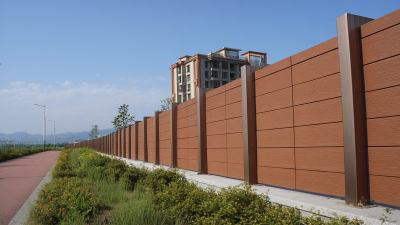
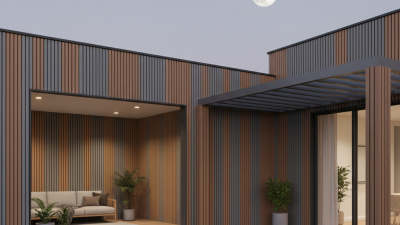
WPC wall cladding, made from wood-plastic composites, offers a blend of beauty and durability. It is an excellent choice for various applications. For instance, it is widely used in residential exteriors. The aesthetic appeal of WPC can enhance home value. Many homeowners appreciate its natural wood look without the high maintenance.
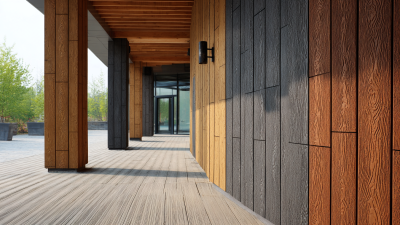
In commercial settings, WPC wall cladding is gaining popularity. Retail spaces and offices benefit from its resistance to moisture and insects. It is suitable for both indoor and outdoor applications. Green building projects often prefer WPC for its eco-friendly properties. However, some installation challenges may arise, requiring skilled labor.
WPC cladding is also popular in public spaces, like parks and community centers. The material withstands harsh weather conditions well. It can provide color and texture to otherwise plain environments. Yet, it’s essential to consider long-term performance. Not all WPC materials are created equal, so quality matters.
Comparing WPC Cladding with Traditional Materials
WPC (Wood Plastic Composite) cladding presents a viable alternative to traditional materials like wood, vinyl, or aluminum. While wood can warp, WPC is resistant to moisture and does not splinter. This durability makes it a popular choice for outdoor applications. It offers an appealing appearance without the constant maintenance that natural wood demands.
When comparing WPC cladding to traditional materials, efficiency stands out. WPC is often lighter and easier to install, translating to lower labor costs. The composite material has enhanced longevity, typically resisting fading and weathering better than traditional wood. However, it is important to keep in mind that WPC can have a different texture and feel compared to natural wood. Some users may prefer the authenticity of wood grain.
Tips: Before making a choice, consider your specific environment. WPC may perform superbly in humid climates while not being ideal in extremely hot areas. Do research on the installation process. Some users report surprises in fitting requirements. Taking time to understand these factors can lead to better long-term satisfaction with your chosen cladding material.
Maintenance and Care for WPC Wall Cladding
WPC wall cladding offers a practical and aesthetically pleasing solution for both indoor and outdoor spaces. To maintain its charm, regular care is essential. Start by cleaning the surface to prevent dirt buildup. Use a soft brush or cloth along with mild soapy water. This helps retain its color and finish. Avoid harsh chemicals, as they can damage the material.
Inspecting the cladding periodically is necessary. Look for any signs of wear or damage. Over time, WPC can experience fading or scratches, especially if exposed to intense sunlight. Addressing these issues early can prolong its lifespan. A simple touch-up may be all that’s required for minor imperfections.
In winter months, snow and ice can pose challenges. It’s crucial to remove heavy snow promptly to prevent pressure on the cladding. Additionally, ensure proper drainage around the cladding to prevent moisture accumulation. This simple step can help in avoiding unwanted mold growth. Regular maintenance is not just about cleaning; it’s about being proactive in protecting the investment in your home.
What is WPC Wall Cladding Benefits and Applications? - Maintenance and Care for WPC Wall Cladding
| Aspect |
Details |
| Material Composition |
Wood Plastic Composite (WPC) is made of recycled wood fibers and plastic. |
| Durability |
WPC is resistant to rot, insects, and weathering. |
| Aesthetic Appeal |
Available in various colors and finishes, mimicking natural wood. |
| Applications |
Ideal for both indoor and outdoor wall cladding, including homes and commercial buildings. |
| Maintenance Requirements |
Requires minimal maintenance; regular cleaning with soap and water is sufficient. |
| Environmental Impact |
Made from recycled materials, making it a more sustainable choice. |