What is WPC Wall Cladding and Why is it Popular Today?
WPC Wall Cladding has gained significant attention in recent years. This innovative material blends wood and plastic, creating a durable and aesthetically pleasing option for modern construction. Industry expert Mark Johnson states, "WPC Wall Cladding offers an eco-friendly solution without compromising on style." His words capture the essence of its growing popularity.
The advantages of WPC Wall Cladding are numerous. It resists moisture and pests, making it an ideal choice for varied climates. Additionally, its low maintenance requirement appeals to many homeowners. Yet, it's important to reflect on the misconception that it mimics real wood perfectly. While it captures similar aesthetics, some may find it lacks authenticity.
With environmental concerns rising, WPC Wall Cladding stands out. It promotes recycling and sustainability. However, buyers should always consider quality and supplier credibility. Making an informed decision is crucial, given the vast options available in the market today. WPC Wall Cladding is more than just a trend; it represents a shift towards thoughtful building practices.
What is WPC Wall Cladding?
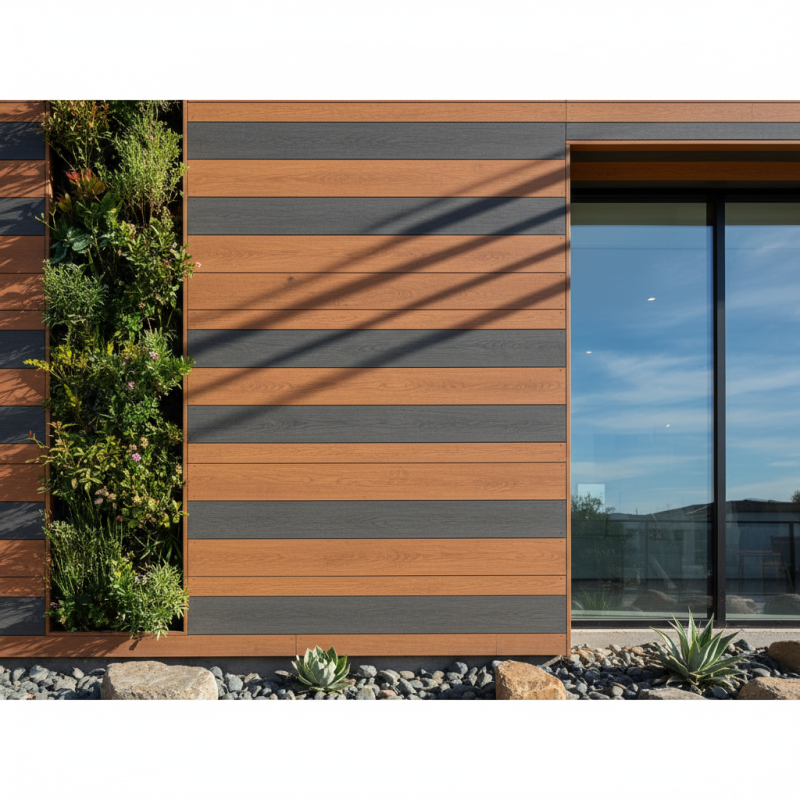
WPC wall cladding is a composite material made from wood fibers and plastic. This blend offers durability and aesthetic appeal. The market for WPC products is growing rapidly, driven by rising demand in construction and renovation. According to industry reports, the global WPC market is projected to exceed USD 10 billion by 2027, highlighting its increasing popularity.
WPC wall cladding is known for its weather resistance and low maintenance needs. Unlike traditional wood, it does not require regular staining or sealing. This makes it attractive for homeowners seeking convenience. However, some users report that it may fade over time or develop surface scratches. The material is also more susceptible to heat expansion, which can lead to warping in extreme climates.
Despite these challenges, the benefits often outweigh the drawbacks. WPC wall cladding can mimic the look of natural wood, offering versatility in design. Its eco-friendly nature—composed of recycled materials—also appeals to environmentally conscious consumers. A survey indicated that over 60% of homeowners chose WPC for its sustainability. This rising trend suggests WPC wall cladding is here to stay.
What is WPC Wall Cladding and Why is it Popular Today?
| Feature |
Description |
Advantages |
Applications |
| Material Composition |
A blend of wood fibers and plastic |
Eco-friendly, reduces waste |
Residential and commercial buildings |
| Durability |
Highly resistant to weather and pests |
Longevity; low maintenance required |
Outdoor applications, facades |
| Aesthetic Variety |
Available in various colors and textures |
Customization options enhance design |
Interior and exterior wall arrangements |
| Installation |
Easy to install, often DIY-friendly |
Cost-effective installation process |
Residential and renovation projects |
| Maintenance |
Minimal upkeep, cleans easily |
Saves time and effort in upkeep |
Ideal for busy homeowners |
The Composition and Features of WPC Materials
WPC, or Wood-Plastic Composite, wall cladding has gained immense popularity due to its unique composition and features. These materials are typically made from a blend of wood fibers and recycled plastics. According to industry reports, WPCs can contain up to 60% recycled content. This eco-friendly aspect is appealing to many homeowners and builders today.
The features of WPC materials contribute to their demand. They offer high durability and resistance to moisture, which makes them suitable for various climates. WPCs do not warp or splinter like traditional wood, leading to lower maintenance costs. Some studies suggest that WPC can last up to 25 years with proper care.
Tips: When selecting WPC for your project, consider the intended environment. Not all WPCs are created equal. Check for certifications that ensure longevity and quality.
In using WPC cladding, one might encounter challenges. Some products may fade over time if exposed to sunlight. Others might require specific cleaning methods to maintain their appearance. Understanding the product specifications is crucial for long-term satisfaction.
Advantages of Using WPC Wall Cladding
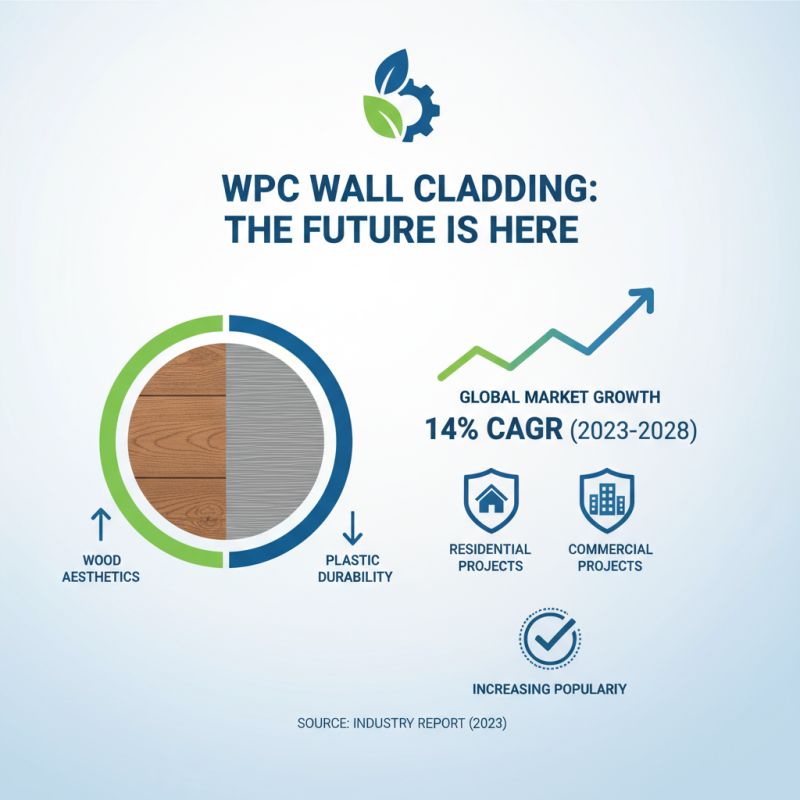
WPC wall cladding, made from wood-plastic composites, is gaining traction for several reasons. This material combines the aesthetics of wood with the durability of plastic. According to a recent industry report, the global WPC market is projected to grow at a CAGR of 14% over the next five years. This highlights its increasing popularity in residential and commercial projects.
One significant advantage of WPC wall cladding is its resistance to moisture and weathering. Unlike traditional wood, WPC doesn’t warp or swell in wet conditions. This makes it ideal for diverse climates. Moreover, a study indicates that WPC can reduce maintenance costs by up to 30% compared to wood. Homeowners appreciate the long-term savings, which is a compelling reason for its adoption.
Sustainability is another factor driving demand. WPC is often made from recycled materials. This aligns with the growing awareness of eco-friendly building practices. However, there are challenges. Some WPC products may fade over time or have limited color options. These aspects require careful consideration when selecting materials. Balancing aesthetic appeal and functionality is crucial for homeowners.
Applications of WPC Wall Cladding in Modern Architecture
WPC wall cladding has emerged as a popular choice in modern architecture. This material combines wood and plastic to create a durable and aesthetically pleasing surface. According to the Freedonia Group, the demand for WPC products is projected to reach $6.5 billion by 2025. Its versatility is a key factor in its popularity.
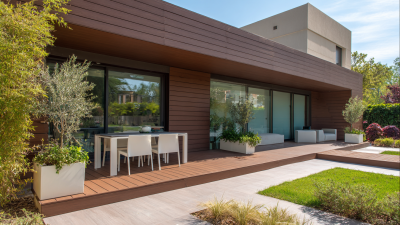
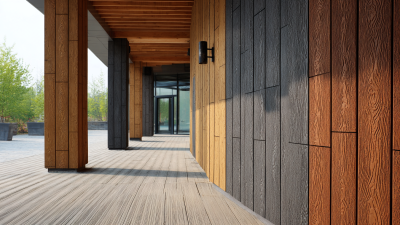
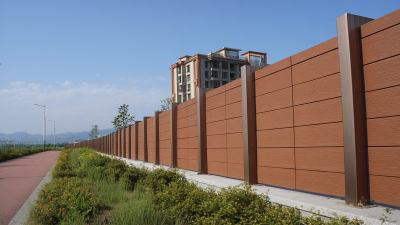
Many architects incorporate WPC wall cladding into residential and commercial buildings. It offers weather resistance, which is crucial for outdoor applications. For example, WPC cladding is often used in facades, creating a sleek and contemporary look. It also requires less maintenance compared to traditional materials. However, there are challenges to consider. Some WPC products may fade over time under UV exposure. This can lead to a less appealing appearance and might require periodic replacement or treatment.
In urban design, WPC wall cladding enables innovative possibilities. Its lightweight nature makes installation easier, reducing labor costs. Yet, not all WPC products perform equally. It is vital for builders to choose high-quality materials that meet regulatory standards. A lack of oversight in material selection can lead to problems down the line. Thus, careful consideration and research are essential for maximizing the benefits of WPC wall cladding.
Applications of WPC Wall Cladding in Modern Architecture
Factors Contributing to the Popularity of WPC Wall Cladding Today
WPC wall cladding has gained significant attention in modern construction. It combines wood fiber and plastic, offering durability that traditional wood lacks. This blend is resistant to decay, insects, and warping. Homeowners love how it mimics wood while being lower maintenance.
A major factor for WPC's popularity is its eco-friendliness. Many products use recycled materials, reducing waste. People are more conscious of their environmental impact today. Using WPC can be a smart choice for sustainable building. It’s a way to enjoy stylish design without harming forests.
Tip: When choosing WPC cladding, consider color and texture. Make sure it matches your design vision and enhances the overall look of your home.
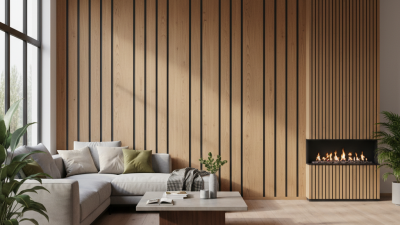
Additionally, WPC's versatility is appealing. It can be used indoors and outdoors. From modern to rustic styles, it fits various design aesthetics. However, be cautious of low-quality products in the market. Not all WPC cladding is created equal.
Tip: Look for manufacturers who guarantee their products. Research reviews to find the best options that suit your needs. Be informed and choose wisely.