What is Wpc Wall Cladding and Its Benefits for Your Home?
Wpc Wall Cladding is gaining popularity in modern home design. This innovative material combines wood and plastic, offering durability and aesthetic appeal. According to a recent market analysis by Grand View Research, the global WPC market is expected to reach $7.5 billion by 2027. This surge is due to increasing consumer awareness of sustainability and the demand for low-maintenance materials.
Wpc Wall Cladding provides several advantages for homeowners. It is resistant to moisture, insects, and warping, making it perfect for various climates. Its ability to mimic the appearance of traditional wood adds charm without the drawbacks. However, some products may fade over time and require occasional maintenance. Balancing aesthetics and longevity can be challenging.
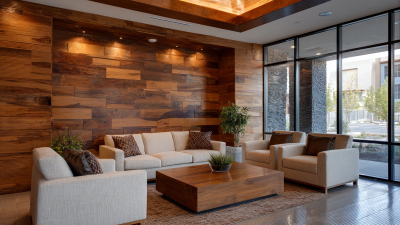
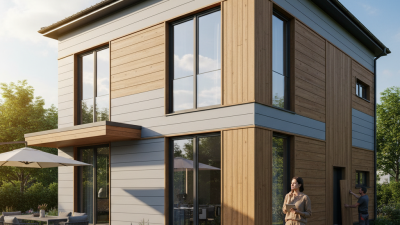
Incorporating Wpc Wall Cladding can transform your home’s exterior. It enhances curb appeal while being eco-friendly. While it may have a higher upfront cost, the long-term benefits, such as reduced maintenance and replacement expenses, can justify the investment. As you consider options, reflect on your specific needs. Evaluate the trade-offs and make informed choices that align with your vision for your home.
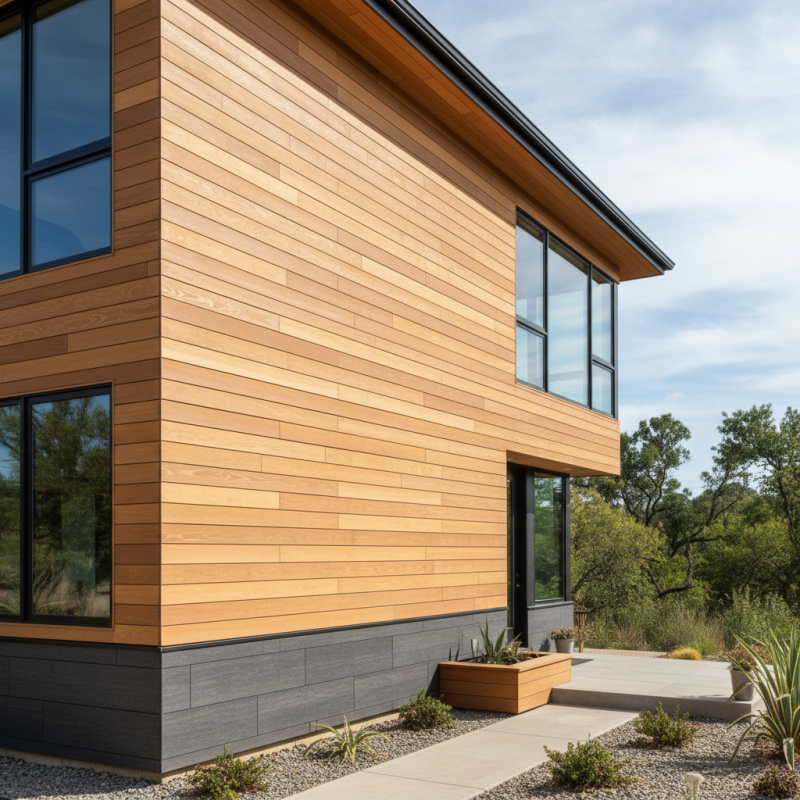
What is WPC Wall Cladding?
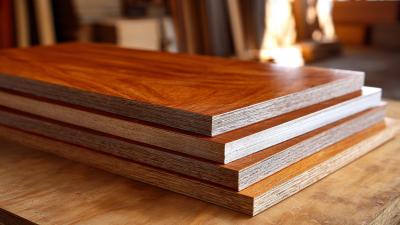
WPC wall cladding is an innovative choice for exterior and interior surfaces. WPC stands for wood-plastic composite. This material combines wood fibers and plastic polymers. It's designed to mimic the natural beauty of wood while offering enhanced durability.
One key benefit of WPC wall cladding is its resistance to weather damage. Unlike traditional wood, it doesn't warp or splinter easily. This makes it ideal for areas with high moisture levels. WPC is also low-maintenance. You'll spend less time on upkeep and more time enjoying your space.
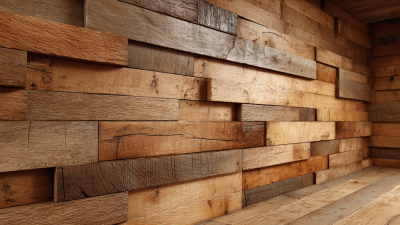
**Tip:** Consider the color and texture options available. Some designs look more natural, while others are sleek and modern. Choose what fits your home's style best.
Installation can be tricky, especially for uneven surfaces. Ensure the wall is properly prepared before starting. This can help prevent future issues.
**Tip:** Always measure twice before cutting. Accurate measurements save time and reduce waste.
WPC wall cladding offers a mix of beauty and practicality. It may not be the perfect fit for every home. Take your time to research and reflect on your choices.
What is WPC Wall Cladding and Its Benefits for Your Home?
| Feature |
Description |
Benefits |
| Material Composition |
Made from a blend of wood fibers and plastic |
Combines the aesthetics of wood with the durability of plastic |
| Durability |
Resistant to water, fading, and insects |
Long-lasting, low maintenance solution |
| Insulation Properties |
Provides thermal insulation |
Helps control indoor temperature |
| Eco-Friendly |
Made from recyclable materials |
Contributes to environmentally sustainable practices |
| Aesthetic Variety |
Available in various colors and textures |
Enhances the visual appeal of your home |
Key Materials Used in WPC Wall Cladding
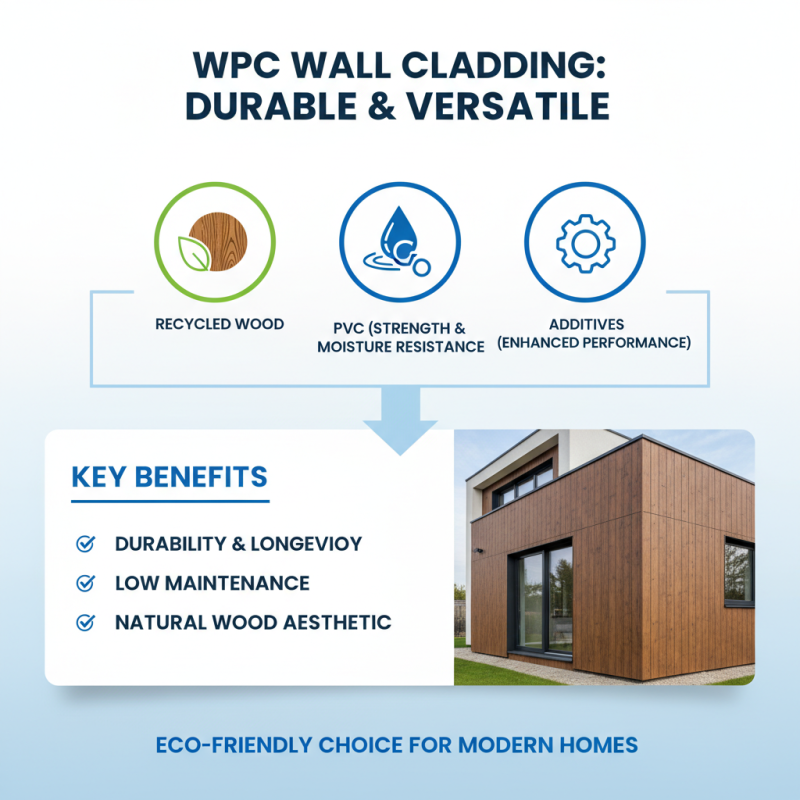
WPC wall cladding is a popular choice for many homeowners. It combines wood fibers and plastic, making it durable and versatile. The materials used in WPC wall cladding include PVC, recycled wood, and additives. PVC gives strength and moisture resistance. Recycled wood adds a natural look, while additives enhance performance.
The use of different materials can affect sustainability. Using recycled components can reduce waste. However, some additives may not be eco-friendly. It's essential to choose wisely. The texture and finish can vary, which might not meet everyone's aesthetic preference. Some may prefer a natural wood feel but end up with an artificial appearance.
Installing WPC cladding isn’t always straightforward. It's important to ensure proper sealing to avoid moisture damage. Many people face challenges in installation. This can lead to imperfections in the final look. It’s a learning process for many homeowners.
Advantages of Using WPC Wall Cladding in Homes
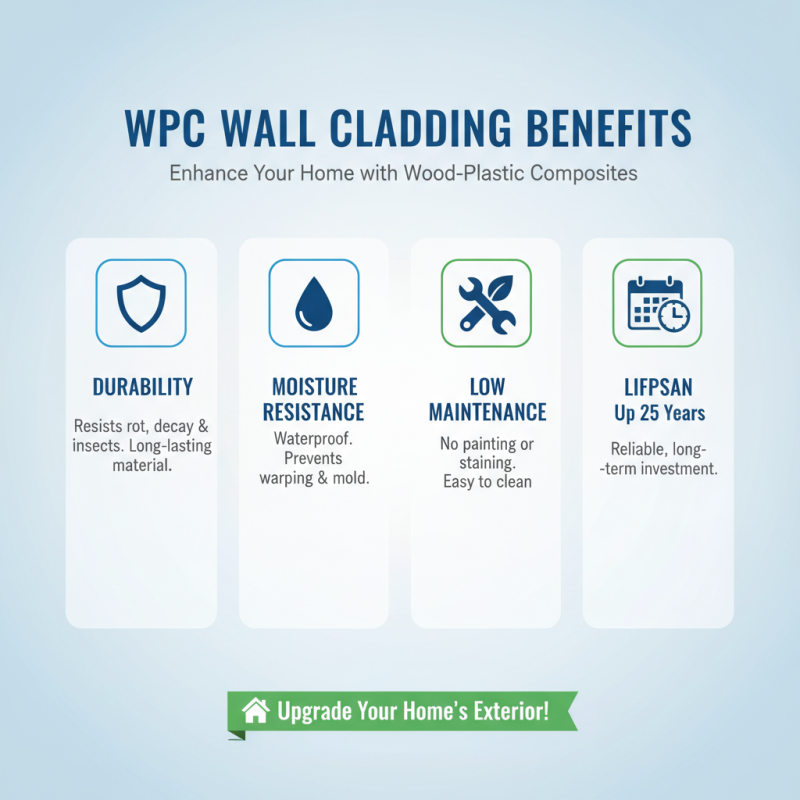
WPC wall cladding, made from wood-plastic composites, offers numerous advantages for homes. This material is known for its durability, moisture resistance, and low maintenance requirements. According to industry reports, WPC can last up to 25 years with proper care. This makes it a reliable choice for homeowners looking to enhance their outdoor spaces.
One primary benefit is energy efficiency. WPC wall cladding can improve insulation in homes. This can lead to lower energy bills, as homeowners may save up to 20% on heating and cooling costs. However, not every type of WPC offers the same level of efficiency. It’s crucial to select products that have been tested for thermal performance.
Another notable advantage is its aesthetic appeal. WPC comes in various colors and textures, mimicking natural wood. This variety allows for personalized designs. Yet, some styles may fade over time due to UV exposure. Regular care is needed to maintain the look. Homeowners should also consider color choices wisely to ensure long-term satisfaction.
Comparing WPC Wall Cladding with Other Materials
WPC wall cladding is a promising choice for modern homes. Comparatively, it stands out against traditional materials like wood and metal. While wood can decay and requires constant maintenance, WPC offers a durable alternative. It resists moisture, pests, and fading. Homeowners often find that the finish of WPC mimics natural wood, providing an appealing aesthetic with less upkeep.
Metal cladding, on the other hand, can be prone to rust and denting. It retains heat and can become uncomfortable during hot days. WPC is cooler to the touch and does not absorb heat as metal does. When compared, the installation process of WPC is simpler. There’s often no need for specialized tools. Many DIY enthusiasts find WPC easier to handle. However, some people question its longevity compared to high-end materials. There are valid concerns about how it performs over time. It’s essential to weigh these aspects carefully before choosing the best option for your space.
Benefits of WPC Wall Cladding Compared to Other Materials
Installation and Maintenance Tips for WPC Wall Cladding
WPC wall cladding is an eco-friendly building material made from a mix of wood fibers and plastic. Installing WPC cladding can enhance your home's aesthetic appeal.
However, proper installation and maintenance are key to its longevity.
When installing WPC wall cladding, ensure the surface is clean and dry. Use screws designed for WPC materials. It's crucial to leave some gaps for expansion, especially in hot weather. Pay attention to this detail;
otherwise, you might face warping issues later. Use a level to ensure even installation. Uneven surfaces can lead to water pooling, creating problems over time.
Always double-check your measurements before cutting.
Maintenance is relatively simple but requires regular attention. Clean the surface with mild soap and water. Avoid harsh chemicals that can damage the material.
Inspect for any signs of wear, like fading or cracks. These may indicate it's time for repair or replacement. While WPC is durable,
neglecting maintenance can shorten its lifespan. Regular checks will help keep your cladding looking fresh and appealing.