What is WPC Indoor Wall Cladding and Its Benefits for Your Home?
WPC Indoor Wall Cladding is gaining popularity among homeowners. This innovative material combines durability and aesthetic appeal, making it ideal for interior spaces. According to John Smith, a leading expert in the WPC industry, "WPC Indoor Wall Cladding transforms homes with its modern look and long-lasting quality."
Many homeowners are drawn to its benefits. For example, WPC Indoor Wall Cladding is water-resistant and easy to maintain. It saves time and reduces costs over time. Furthermore, it offers a wide range of designs and finishes to suit any decor style.
However, not all cladding options are perfect. Some users report difficulties with installation and may find it challenging to match colors seamlessly. It is essential to weigh these aspects when considering WPC Indoor Wall Cladding for your home. Careful planning can ensure a beautiful, functional space.
What is WPC Indoor Wall Cladding?
WPC, or Wood Plastic Composite, is a popular material for indoor wall cladding.
It combines wood fibers and plastic, providing a durable alternative to traditional materials.
This innovation offers more than just aesthetic appeal; it also promises longevity and lower maintenance demands.
According to a report by Grand View Research, the WPC market is expected to reach $10 billion by 2027.
This indicates a growing trend in eco-friendly building materials.
The advantages of WPC indoor wall cladding are numerous. It is resistant to moisture, insects, and decay, making it suitable for various environments.
A study by Research and Markets noted that WPC surfaces typically require less cleaning compared to wood and other wall finishes.
However, some users report difficulty in achieving a seamless appearance, highlighting the need for skilled installation.
Furthermore, while WPC can mimic the appearance of natural wood, it may not suit everyone's taste.
The texture may feel different from real wood, which some might find disappointing.
It's essential to weigh these preferences against the material's benefits.
As the market evolves, consumers should consider both aesthetics and functionality in their choices.
Composition and Materials Used in WPC Cladding
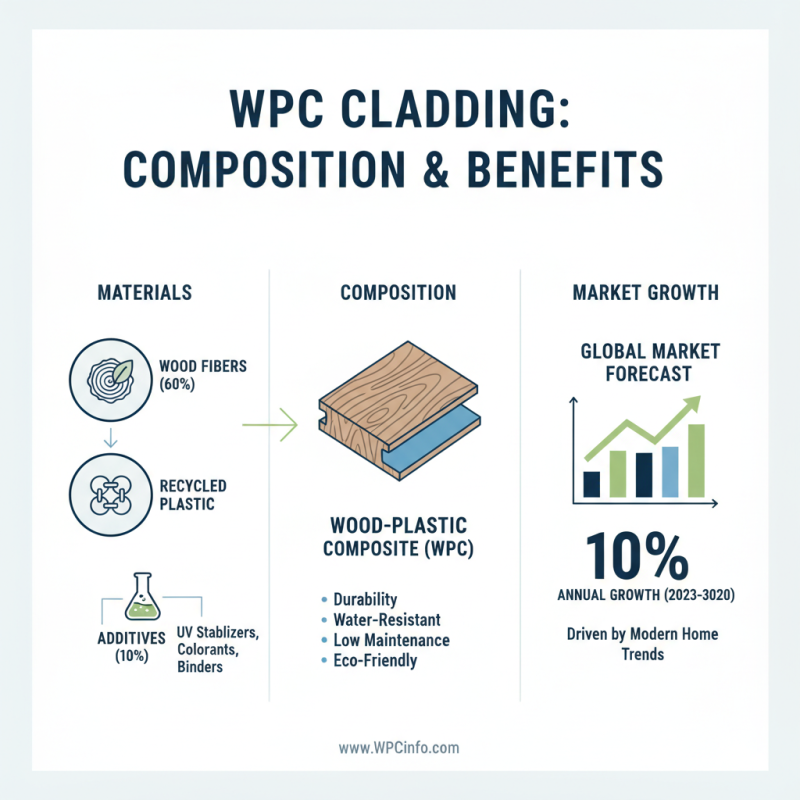
WPC (Wood Plastic Composite) indoor wall cladding is a popular choice for modern homes. It combines wood fibers and plastic, resulting in a durable and aesthetically pleasing material. According to industry reports, the WPC market is expected to grow by 10% annually, driven by its increasing popularity.
The composition of WPC cladding varies. Typically, it includes 60-70% wood fibers, 20-30% thermoplastics, and a few additives for enhancement. This mix provides good strength while keeping the material lightweight. The wood fibers often come from recycled sources. This makes WPC an environmentally friendly option.
Tips: Choose colors that complement your interior. Light shades can make rooms feel larger. Darker tones add warmth and sophistication.
WPC cladding is resistant to moisture and insects. It does not warp or splinter, making it an ideal choice for high-humidity areas. However, the initial cost may be higher than traditional materials. Homeowners should weigh long-term benefits against upfront expenses. Remember, proper installation is crucial for maximizing performance. Consider hiring professionals if you lack experience.
Key Benefits of Using WPC Indoor Wall Cladding
WPC indoor wall cladding has gained popularity for several good reasons. This material, made from wood-plastic composites, offers a unique blend of durability and aesthetic appeal. One important benefit is its resistance to moisture and humidity. Unlike traditional wood, WPC doesn't warp or swell in damp conditions. This makes it ideal for areas like kitchens or bathrooms.
Another key advantage is its easy maintenance. A quick wipe with a damp cloth is often enough to keep it looking fresh. This saves time and effort, especially for busy families. Additionally, WPC cladding comes in various colors and textures. It can mimic the look of natural wood without the constant upkeep.
However, it's worth noting that not all WPC products are created equal. Some may lack the desired quality or finish. Homeowners should take care to research and consider their options. A careful selection can ensure the best outcome for enhancing interior spaces.
Installation Process and Considerations for WPC Cladding
When considering WPC indoor wall cladding, the installation process is crucial. It starts with measuring the wall area accurately. Proper measurement prevents waste and ensures a perfect fit. You’ll need tools like a saw, drill, and level. Ensure your workspace is clean and free of obstacles. Sometimes, the wall may require additional preparation, like primer or insulation.
During installation, begin with a clean, dry surface. Attach the first panel at a corner, using screws or adhesive. This initial placement determines the rest of the installation. Align each subsequent panel carefully, checking for level. Gaps can be unappealing and inviting for moisture. Be mindful of the expansion gaps as well, as they help accommodate temperature changes. Mistakes here can lead to warping later.
After installation, inspect the seams and edges. Some gaps may arise, requiring caulk to seal. It’s essential to take your time during this step. Rushing often results in imperfections. Regular checks during the installation can save you from future headaches. Remember, this is a creative process, inviting both patience and attention to detail.
What is WPC Indoor Wall Cladding and Its Benefits for Your Home? - Installation Process and Considerations for WPC Cladding
| Dimension |
Details |
| Material |
Wood Plastic Composite (WPC) |
| Durability |
High resistance to moisture, rot, and insects |
| Maintenance |
Low maintenance; occasional cleaning |
| Installation Method |
Easy to install; can be nailed, glued, or clipped |
| Aesthetic Options |
Available in various colors and textures |
| Cost |
Cost-effective compared to traditional wood |
| Environmental Impact |
Made from recycled materials; eco-friendly |
| Thermal Insulation |
Offers good thermal insulation properties |
Maintenance Tips for Longevity of WPC Wall Cladding
WPC indoor wall cladding is a popular choice for homeowners. It's durable, eco-friendly, and aesthetically pleasing. However, it requires proper maintenance for longevity. Here are some tips to help maintain your WPC wall cladding.
Regular cleaning is essential. Use a damp cloth to wipe surfaces. Avoid harsh chemicals that could damage the finish. A soft brush can help remove dirt in hard-to-reach areas. For tougher stains, a gentle soap solution works well. Be consistent, and your walls will look fresh.
Check for wear and tear. Over time, small damage can occur. If you notice any cracks, repair them quickly. This prevents larger issues down the line. Also, keep an eye on moisture levels. Excessive humidity can cause issues. A dehumidifier can be a good investment if your indoor space is prone to dampness.
It's okay if not everything goes perfectly. Some scratches may appear. However, addressing them promptly can minimize lasting damage. Remember, your walls are not just coverings; they contribute to your home's overall atmosphere. With the right care, your WPC wall cladding can remain beautiful for years.
Benefits of WPC Indoor Wall Cladding
This bar chart illustrates the various benefits of WPC indoor wall cladding, rated on a scale from 1 to 10 in terms of their importance. The features highlighted include durability, low maintenance, aesthetic appeal, weather resistance, and eco-friendliness, showcasing why WPC cladding is an excellent choice for your home.