Top 10 Tips for Choosing Wpc Indoor Wall Cladding for Your Home
As homeowners increasingly seek to enhance their living spaces through innovative design solutions, WPC (Wood Plastic Composite) indoor wall cladding has emerged as a popular choice. This trend is supported by a report from MarketsandMarkets, which projects the WPC market to grow to $8.3 billion by 2025, at a CAGR of 11.1%. The material’s unique combination of wood's aesthetic appeal and plastic's durability makes it an ideal option for a variety of interior applications.
When it comes to selecting the right WPC indoor wall cladding for your home, there are several considerations that can significantly impact the functionality and design of your space. Factors such as moisture resistance, fire ratings, and aesthetic options can greatly influence the overall effectiveness and longevity of your cladding choice. Furthermore, as sustainability becomes a key priority for many homeowners, the eco-friendly attributes of WPC materials—generated from recyclable resources—add to their allure in contemporary home design.
This article will outline the top 10 tips essential for choosing WPC indoor wall cladding, providing valuable insights that will help you make informed decisions about transforming your interior spaces while ensuring they remain stylish, durable, and sustainable.
Understanding WPC Indoor Wall Cladding: Materials and Benefits
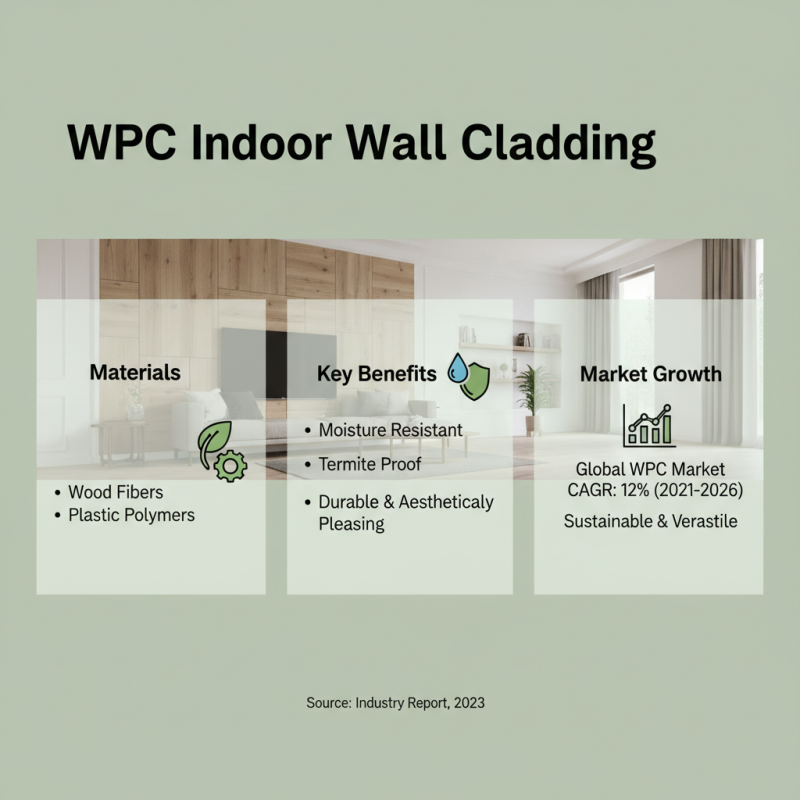
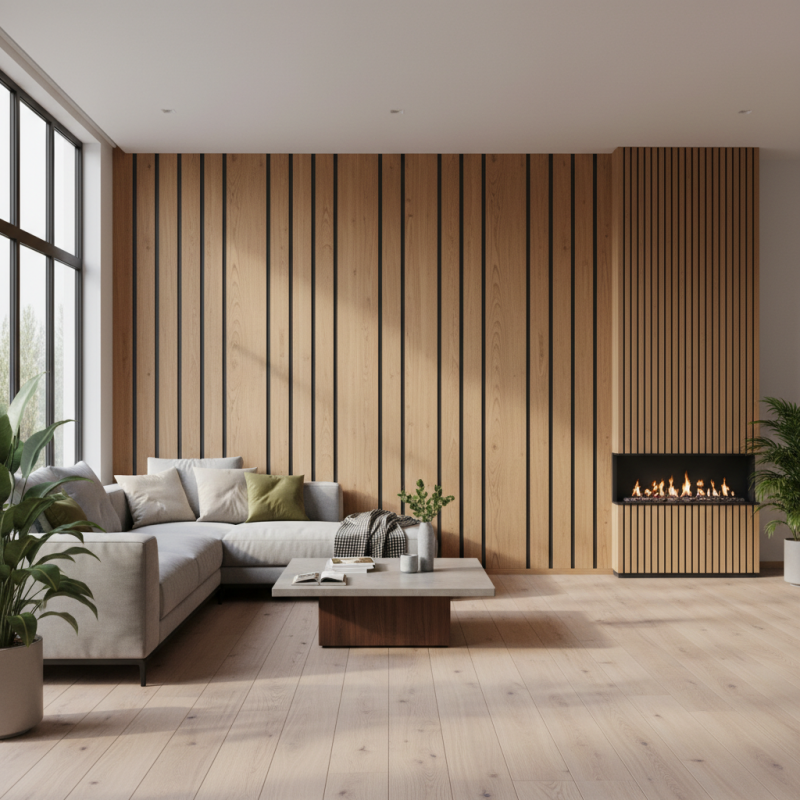
WPC (Wood-Plastic Composite) indoor wall cladding has gained popularity due to its unique combination of materials, offering both aesthetics and durability for homeowners. Comprising a mixture of wood fibers and plastic materials, WPC wall cladding provides an appealing finish while ensuring resistance to moisture, termites, and other environmental factors. According to a recent industry report, the global WPC market is projected to grow at a compound annual growth rate (CAGR) of 12% from 2021 through 2026, reflecting the increasing demand for sustainable and versatile building materials.
One of the most significant benefits of using WPC indoor wall cladding is its low maintenance requirement. Unlike traditional wood panels, WPC does not require frequent painting or sealing, making it an ideal choice for busy households. Additionally, its durability allows it to withstand wear and tear better than conventional materials. A study by the U.S. Forest Products Laboratory indicated that WPC products have an enhanced lifespan, often lasting 25 years or more with minimal upkeep. This longevity, combined with the aesthetic appeal of various design options, makes WPC an increasingly attractive alternative for interior applications in modern homes.
Key Factors to Consider When Selecting WPC Indoor Wall Cladding
When selecting WPC (Wood Plastic Composite) indoor wall cladding, there are several key factors to consider to ensure you make the best choice for your home. Firstly, it's essential to evaluate the material composition of the WPC. According to a report by Research and Markets, the global WPC market is projected to grow significantly, driven by the increasing demand for eco-friendly building materials. The quality of the wood and plastic used in WPC can affect not only the aesthetic appeal but also the durability and resistance to moisture and pests. Therefore, look for products that specify their composite ratios and provide assurances regarding their longevity and performance.
Another crucial factor is the finish and design options available. The aesthetic of your indoor space can be significantly enhanced by the style of the wall cladding, which should complement the overall décor of your home. A survey by market research firm Statista indicates that over 65% of homeowners prioritize design and material quality in their renovation projects. When examining WPC indoor wall cladding, consider colors, textures, and patterns that align with your vision while also ensuring that they adhere to relevant environmental standards, such as those set by the U.S. Green Building Council. This will ensure that your choice not only improves your home’s aesthetics but also promotes sustainability.
Top 10 Tips for Choosing WPC Indoor Wall Cladding for Your Home - Key Factors to Consider When Selecting WPC Indoor Wall Cladding
| Factor |
Description |
Importance |
| Material Quality |
Check for high-quality composite material that ensures durability and longevity. |
High |
| Design Variety |
Ensure there are various designs and finishes available to match your decor style. |
Medium |
| Ease of Installation |
Look for products that offer straightforward installation processes to save time and money. |
High |
| Maintenance Requirements |
Consider how much maintenance is required post-installation to keep the cladding looking new. |
Medium |
| Cost |
Evaluate the overall cost including material and installation to fit within your budget. |
High |
| Environmental Impact |
Select eco-friendly options to minimize environmental footprint. |
Medium |
| Fire Resistance |
Check for fire-resistant properties to ensure safety in your home. |
High |
| Warranty |
Inquire about warranty options offered by the manufacturer for long-term assurance. |
High |
| Aesthetic Appeal |
Choose a style that enhances the visual appeal of your interiors. |
High |
| Noise Reduction |
Consider products that offer sound insulation to enhance comfort in living spaces. |
Medium |
Thickness and Density: Impact on Durability and Installation
When selecting WPC (Wood Plastic Composite) indoor wall cladding, one of the crucial aspects to consider is the thickness and density of the material. According to industry research, thicker WPC panels tend to offer greater durability and better resistance to wear and tear. For instance, panels with a thickness of 10mm or more generally exhibit superior performance in high-traffic areas, making them ideal for family homes. Density is equally important; higher density materials typically provide enhanced strength and stability, reducing the likelihood of warping or damage over time.
Tip: When assessing potential cladding options, consider the intended use of the space. For instance, areas such as kitchens or hallways that experience heavy use would benefit from thicker, denser materials.
Moreover, the installation process can also be influenced by the thickness and density of WPC cladding. Heavier panels may require more robust support structures and can be more cumbersome to handle. Data suggests that using a well-planned installation method tailored to the specific thickness and density of the chosen cladding can improve the overall aesthetic and functional results in your home.
Tip: Always consult with professional installers who understand the nuances related to varying thicknesses and densities to ensure that the cladding is properly fitted and enhances the longevity of the installation.
Impact of Thickness and Density on WPC Indoor Wall Cladding Durability
Aesthetic Choices: Color, Texture, and Design Trends in WPC Cladding
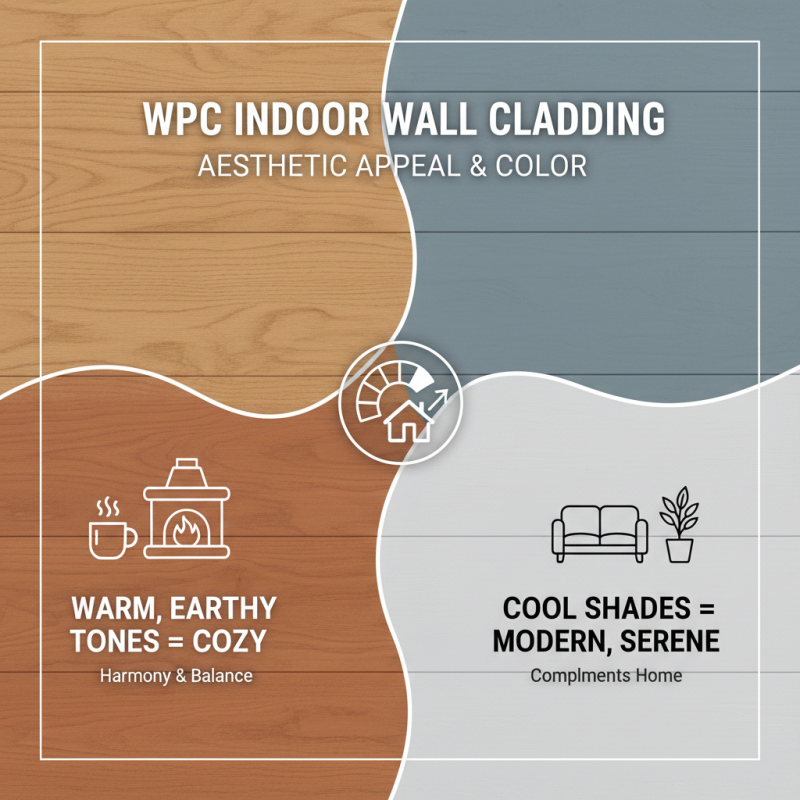
When choosing WPC indoor wall cladding, the aesthetic appeal is a primary factor. Color plays a pivotal role in setting the mood of a space. Warm, earthy tones can create a cozy atmosphere, while cool shades lend a modern, serene feel. Consider the overall color scheme of your home to ensure that the WPC cladding complements existing elements, inducing harmony and balance.
Texture is another key component that enhances the visual interest of WPC cladding. Smooth finishes can contribute to a sleek, contemporary look, while textured surfaces add depth and warmth. The current trend favors a combination of both, allowing homeowners to create dynamic, multi-dimensional walls. Incorporating patterned designs or wood-like textures can bring a touch of nature indoors, aligning with the popular biophilic design trend that promotes wellness and comfort.
Tip: Always test samples of cladding materials in different lighting conditions to assess how colors and textures appear throughout the day. Additionally, consider the compatibility of your selected cladding with furniture and decor styles to achieve a cohesive interior design. Another great tip is to stay updated on the latest design trends in WPC cladding, as this can inspire innovative ideas that resonate well with contemporary lifestyles.
Cost Analysis: Budgeting for WPC Wall Cladding Installation and Maintenance
When considering the installation of
WPC (Wood Plastic Composite)
indoor wall cladding, budgeting plays a crucial role in ensuring a successful project. Recent industry reports indicate that the average cost of WPC wall cladding can range from
$5 to $15
per square foot, depending on the quality and design chosen. It’s important to account for additional expenses such as labor, which can constitute up to
40%
of the total project cost. Therefore, a well-planned budget should include both material and installation costs to avoid any financial surprises.
One critical tip when budgeting is to compare the
long-term maintenance costs
associated with WPC cladding compared to traditional materials. WPC is known for its durability and resistance to moisture and pests, which can significantly reduce maintenance expenses over time. According to a report from a leading construction analysis firm, the lifespan of WPC products can exceed
25 years
with minimal upkeep, resulting in lower overall costs compared to other cladding options that may require frequent repairs or replacements. It’s advisable to factor in these long-term savings when determining your initial budget.
Additionally, do consider the
energy efficiency
aspects of WPC wall cladding, as it provides better insulation than many traditional materials. This can lead to reduced heating and cooling costs, further enhancing your home's energy performance. Investing in energy-efficient materials, while potentially higher in upfront costs, can yield significant savings over time, making WPC an attractive option for homeowners. When evaluating different options, remember to thoroughly assess both immediate and future costs to ensure a sound financial decision.