
Leave Your Message

What Are the Top China PVC Wall Panel WPC Designs?

China’s PVC wall panel market is moving beyond plain, glossy surfaces. Today, designers combine wood textures, stone patterns, metallic lines, and soft geometric reliefs. These choices support modern homes, hotels, offices, retail stores, and renovation projects. However, visual appeal should never replace practical performance.

This guide examines the leading Pvc Wall Panel Wpc Design options available from Chinese manufacturers. It considers color balance, surface texture, moisture resistance, installation methods, and maintenance needs. Warm oak tones can make a narrow room feel less cold. Marble effects create a polished appearance without the weight of natural stone. Deep grooves and fluted panels add shadow, but they may collect dust.

Small details matter. Experienced buyers should check panel thickness, edge accuracy, fire-related documentation, and product consistency between batches. Reliable suppliers normally provide samples, technical specifications, installation guidance, and clear export records. Independent testing can also help confirm performance claims, especially for public or humid interiors.

Not every trend works. A dramatic pattern may look impressive online but feel overwhelming across a large wall. Some low-cost panels also show uneven printing or fragile locking edges after installation. That weakness deserves attention. By comparing real samples, project conditions, and supplier support, readers can identify designs that balance appearance, durability, and long-term value. The following sections explore these options with a practical and slightly critical view, because attractive walls still need to perform well after the photographs are forgotten.
What Are the Top China PVC Wall Panel WPC Designs?

What Defines China PVC Wall Panel WPC Designs?

China PVC wall panel WPC designs are defined by performance, not decoration alone. They combine PVC’s moisture resistance with wood-plastic composite texture, creating lighter alternatives to traditional wall finishes. A 2024 Grand View Research report valued the global WPC market at approximately USD 7 billion in 2023. This growth reflects demand for durable, low-maintenance interior materials.

In practical projects, leading designs use deep embossing, matte surfaces, concealed joints, and coordinated trim profiles. Stone, timber, cement, and fabric patterns remain popular because they suit hotels, offices, and residential interiors. However, appearance can mislead. A realistic grain does not prove structural quality. Buyers should check panel thickness, core density, water absorption, formaldehyde emissions, and tested fire performance. China’s GB 8624 classification should be reviewed for applicable buildings. The finish matters less than the test report.

Tips: Request a complete technical sheet. Inspect samples under warm and cool lighting. Check whether the locking edge stays firm after repeated assembly. Also compare measured dimensions, not only catalogue images. Some panels look excellent but feel hollow during installation. That weakness may become visible around corners and screw points. Industry forecasts from Fortune Business Insights also indicate continued WPC market expansion, yet forecast figures cannot replace site testing. A better design balances visual warmth, cleaning needs, ventilation, and installation tolerance.

Which PVC Wall Panel WPC Styles Are Most Popular in China?

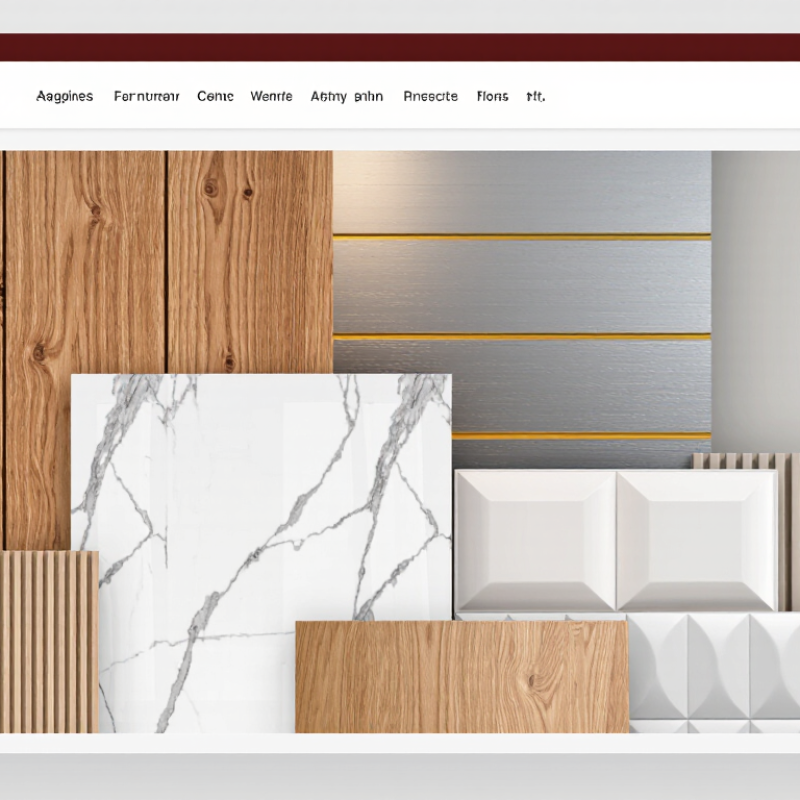
In China, marble-look PVC wall panels remain one of the most popular WPC styles. They create a polished appearance without the weight of natural stone. White backgrounds with soft gray veins suit apartments, hotels, and reception areas. Warm beige patterns are also gaining attention. They feel less cold.

Wood-grain panels are widely chosen for bedrooms, cafés, and living rooms. Oak, walnut, and light ash textures bring visual warmth to modern interiors. Fluted and slatted WPC panels add vertical lines, making ceilings appear higher. Many designers combine them with concealed lighting. Stone-texture panels suit feature walls and commercial spaces. However, overly realistic patterns can look artificial under strong lighting. Sample testing still matters.

Tips: Check the surface texture in daylight and warm indoor light. Ask for moisture, fire-performance, and dimensional-stability test reports. Confirm panel thickness, joint details, and installation requirements before ordering. A simple design often ages better. Matte finishes usually hide fingerprints and small scratches more effectively. Color matching can still fail between production batches, so keep a confirmed sample. Good installation depends on a level, dry substrate. Even attractive panels may disappoint when the wall preparation is poor.

How Do Colors, Textures, and Patterns Shape Panel Design?

China PVC wall panel WPC designs increasingly focus on color, texture, and pattern rather than simple surface coverage. In practical projects, these three details control how large, warm, or formal a room feels. Soft beige panels can brighten narrow corridors. Deep walnut tones create stronger visual weight. However, dark colors may reveal dust and uneven lighting more quickly.

Texture gives the panel its physical character. A fine woodgrain surface feels calm and familiar. Stone-like textures bring a cooler, more architectural effect. Embossed grooves can hide minor marks from daily use, but excessive depth may collect dust. I once preferred highly textured panels for a busy reception area. That judgment was too quick. Cleaning tests later showed that a simpler texture worked better.

Patterns also influence installation and visual rhythm. Vertical lines can make a low ceiling appear higher. Horizontal layouts may make a narrow wall feel wider. Random woodgrain patterns look natural, while repeated prints can appear artificial under bright lighting. Professional selection should consider color consistency, surface hardness, moisture resistance, and edge accuracy. Samples should be viewed beside flooring and furniture, not alone. Small color differences can become obvious across a large wall. Manufacturing inspection also matters, especially for panel flatness, locking edges, and printed-layer durability. Some designs look impressive in photographs but feel overly busy in real rooms.

Where Are Different WPC Wall Panel Designs Best Used?

China PVC wall panels and WPC designs suit different spaces, climates, and maintenance demands. The best choice depends on moisture, traffic, lighting, and installation conditions.

Marble-look PVC panels work well in hotel bathrooms, apartment lobbies, and restaurant feature walls. Their large, glossy surfaces create fewer visible joints and reflect limited indoor light. Wood-grain WPC panels feel warmer in bedrooms, offices, and reception areas. They can soften concrete floors and sharp lighting. According to Grand View Research, the global wood-plastic composites market reached about USD 7.1 billion in 2023. This growth reflects wider interest in durable, low-maintenance materials, not automatic suitability for every wall.

Slatted WPC designs are useful behind television units, conference tables, and bed headboards. The grooves add shadow lines and can improve visual depth in narrow rooms. Acoustic performance varies, however. A decorative slat panel is not a certified sound-control system. Stone-textured PVC designs fit retail counters and high-use corridors because smooth surfaces are easier to wipe. In damp areas, installers should inspect wall flatness, expansion gaps, and ventilation before fitting panels. Small mistakes become visible quickly.

Printed geometric panels suit cafés and creative studios, but busy patterns may tire occupants over time. That is a practical weakness worth considering. Industry reports from Grand View Research and Fortune Business Insights also show continued demand for lightweight, easy-install interior materials. Yet local fire, moisture, and indoor-air requirements still need verification before specification.

What Are the Top China PVC Wall Panel WPC Designs? — Where Are Different WPC Wall Panel Designs Best Used?

WPC Wall Panel Design Visual Characteristics Typical Surface Finish Best-Use Areas Main Practical Advantages Recommended Style Key Considerations
Wood-Grain Slat Panel Long, narrow slats with regular grooves that create a warm linear appearance. Embossed wood texture, matte or low-sheen decorative film. Living-room feature walls, bedrooms, reception areas, restaurants, and retail interiors. Provides visual depth, helps conceal minor wall irregularities, and can improve interior acoustics when installed with an appropriate acoustic backing. ModernJapandiWarm Minimalist Dust may collect in grooves; regular cleaning is recommended.
Natural Oak or Walnut Look Timber-inspired grain patterns with lighter oak tones or deeper walnut tones. Wood-grain embossing with a textured or smooth protective surface. Hotels, offices, home studies, lounge areas, corridors, and media rooms. Creates a natural appearance without the maintenance associated with unfinished solid wood. ClassicContemporaryHospitality Color and grain can vary between production batches, so panels for one project should be ordered together.
Marble-Look Panel Large-scale veining that imitates white, grey, beige, or dark marble. High-definition printed surface, often with a polished or satin finish. Hotel lobbies, living-room feature walls, bathroom vanity backgrounds, retail displays, and reception desks. Delivers a stone-like visual effect with lower weight and simpler handling than natural stone slabs. LuxuryContemporaryHigh Contrast Use waterproof installation details in wet areas; do not assume that every decorative panel is suitable for direct shower exposure.
Stone or Concrete Look Mineral textures, cement effects, slate patterns, or industrial grey surfaces. Matte textured coating or digitally printed decorative layer. Commercial interiors, cafés, gyms, offices, corridors, feature walls, and entertainment spaces. Supports an industrial design concept while reducing the installation weight associated with masonry or stone finishes. IndustrialUrbanMinimalist Dark colors can make small rooms appear less spacious; lighting should be planned carefully.
Fluted or Ribbed Panel Repeated vertical or horizontal ribs that create strong light-and-shadow variation. Textured wood-look, solid-color, or coated finish. TV backgrounds, room dividers, hotel corridors, restaurant walls, and entrance feature areas. Adds three-dimensional detail and can visually increase wall height when installed vertically. DecorativeBiophilicModern Careful alignment is important; exposed edges and corners may require matching trims.
Fabric or Textile Look Fine woven patterns and soft neutral colors that resemble fabric wall coverings. Low-gloss textured film or embossed decorative surface. Bedrooms, offices, meeting rooms, hotel rooms, lounges, and quiet residential interiors. Creates a softer visual atmosphere and is easier to wipe clean than many traditional textile wall coverings. Soft ModernScandinavianCorporate Confirm stain resistance and cleaning instructions before using the panel in high-traffic locations.
Solid-Color Matte Panel Clean, uninterrupted surfaces in white, beige, grey, green, blue, or other coordinated colors. Matte, satin, or lightly textured coating. Offices, schools, clinics, retail interiors, kitchens, utility areas, and contemporary homes. Easy to coordinate with furniture and flooring; minor marks are generally less noticeable on medium-tone matte colors. MinimalistCommercialClean Design Light colors show heavy dirt more clearly, while very dark colors may show scratches and dust.
Geometric 3D Panel Raised, recessed, hexagonal, wave, or other repeating geometric patterns. Embossed PVC/WPC surface, painted finish, or decorative laminated layer. Feature walls, showrooms, entertainment venues, children’s areas, and creative office spaces. Creates a strong focal point and can be combined with directional lighting for additional visual effect. CreativeStatementContemporary Use selectively because large patterns may visually dominate compact rooms.
Bamboo or Rattan-Inspired Design Organic linear patterns and natural tones inspired by bamboo, cane, or woven rattan. Embossed grain, woven-look print, or textured matte finish. Resorts, cafés, wellness rooms, balconies with suitable enclosure, lounges, and natural-themed interiors. Supports a relaxed natural concept while offering a more uniform appearance than many natural woven materials. TropicalCoastalBiophilic For semi-outdoor use, verify UV resistance, temperature range, and moisture requirements for the specific panel construction.
High-Gloss Decorative Panel Smooth reflective surface with strong color or stone-inspired visual effects. Gloss laminate, polished film, or reflective coating. Retail counters, reception features, display walls, kitchens, and selected residential accent walls. Reflects light and can make an interior feel brighter when used with suitable lighting. ElegantRetailContemporary Fingerprints, dust, and scratches are more visible; use non-abrasive cleaning materials.
Outdoor Wood-Plastic Composite Cladding Plank-style exterior cladding with wood-like colors and regular installation joints. Co-extruded or capped surface, brushed texture, or embossed wood grain. Covered façades, garden walls, terraces, balconies, fences, and outdoor hospitality areas. Designed for exterior exposure and generally requires less routine coating maintenance than untreated timber. ExteriorContemporaryLandscape Allow for thermal movement, provide ventilation where specified, and confirm UV, water, and fire performance before installation.

Selection note: PVC and WPC wall panels differ by construction and intended application. Before ordering, verify the product’s moisture resistance, fire classification, UV stability, impact resistance, installation method, warranty conditions, and suitability for interior or exterior use.

How Should You Compare Quality, Performance, and Design Value?

What Are the Top China PVC Wall Panel WPC Designs?

When comparing China PVC wall panel WPC designs, inspect the material before admiring the pattern. Ask for a cut sample. Check whether the core looks dense, even, and free from large voids. Measure thickness at several points. Small differences can reveal weak quality control. A clean surface should resist light scratching from normal handling, but no panel is indestructible.

Performance depends on more than decorative texture. In bathrooms or kitchens, examine moisture resistance around edges and joints. Confirm the panel’s working temperature range, fire classification, and installation requirements through current test documents. Reliable suppliers should provide batch details, technical data, and clear warranty terms. I also compare locking profiles, because a beautiful panel becomes troublesome when seams open after seasonal movement.

Design value comes from balancing appearance, service life, and installation cost. Stone, wood, and fabric effects may suit different rooms, but printed realism varies under warm lighting. View samples indoors, not only in catalog images. My first mistake was choosing the strongest visual texture; it made a small room feel crowded. A simpler grain worked better. Consider panel width, matching trims, cleaning effort, and replacement access. Cheap pricing can hide thicker adhesive use or higher labor time. That is easy to miss.