Top 10 Benefits of Wpc Indoor Wall Cladding for Your Home?
Wpc Indoor Wall Cladding is transforming modern homes. It offers a blend of beauty and functionality. Many homeowners seek stylish solutions that don't compromise on durability. With Wpc, you get both aesthetics and resilience.
This innovative cladding material is made from wood-plastic composites. It mimics the appeal of wood while providing greater longevity. It's water-resistant and doesn't warp easily. This makes it ideal for various indoor environments. However, there are concerns about installation and maintenance. It's essential to choose quality products for the best results.
The benefits of Wpc Indoor Wall Cladding go beyond its appearance. It enhances insulation, contributing to energy efficiency. Additionally, it requires less upkeep compared to traditional materials. Yet, not all Wpc products are created equal. Homeowners should do ample research and consult experts for informed decisions.
Key Advantages of WPC Indoor Wall Cladding for Home Interiors
WPC (Wood Plastic Composite) indoor wall cladding offers numerous advantages for home interiors. One of the standout benefits is its durability. According to the American Society for Testing and Materials, WPC products resist moisture and extreme temperatures effectively. This makes them ideal for various climates, ensuring longevity and reducing maintenance needs.
Additionally, WPC wall cladding has excellent thermal insulation properties. Research indicates that homes with WPC cladding maintain more consistent indoor temperatures. This can lead to lower energy bills by minimizing heating and cooling costs. However, it is essential to consider that while WPC is generally resistant to termites and mold, improper installation can lead to issues over time.
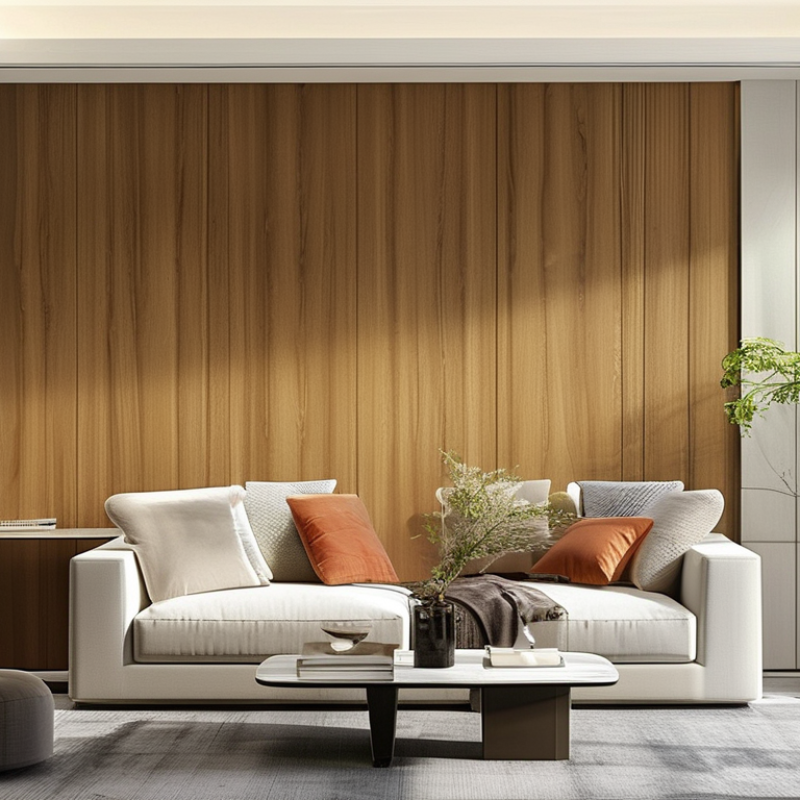
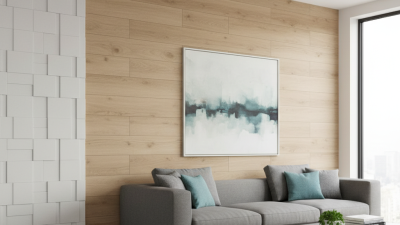
Aesthetically, WPC cladding mimics the appearance of natural wood. It can be designed in various textures and colors, allowing homeowners to achieve a desired look without sacrificing practicality. While WPC is an eco-friendly option, sourced from recycled materials, it is still crucial to verify the sustainability of the specific products used. Balancing beauty with sustainability is key.
Top 10 Benefits of WPC Indoor Wall Cladding for Your Home
This chart highlights the key advantages of using WPC (Wood-Plastic Composite) indoor wall cladding for home interiors, focusing on ten major benefits including durability, aesthetics, maintenance, and more.
Durability and Longevity of WPC Materials in Home Design
WPC, or Wood Plastic Composite, is gaining traction in home design due to its durability and longevity. According to industry reports, WPC materials can last up to 25 years, significantly outlasting traditional wood. They resist warping, fading, and moisture damage, making them ideal for indoor wall cladding. This longevity reduces the need for frequent replacements, saving homeowners time and money.
When choosing WPC materials, be mindful of the installation process. Improper installation can lead to issues like gaps or misalignment. Consider hiring professionals who specialize in WPC applications. Some studies suggest that correctly installed WPC can further enhance its lifespan by up to 30%.
One important tip is to complement WPC cladding with regular maintenance. Simple cleaning with mild detergents can prolong its aesthetic appeal. Regular checks can help identify potential issues before they become costly repairs. Keep in mind that while WPC is durable, it is not entirely immune to damage from heavy impacts or harsh chemicals. Balancing care with everyday use can ensure your WPC cladding remains beautiful for years to come.
Aesthetic Appeal: Enhancing Interior Spaces with WPC Wall Cladding
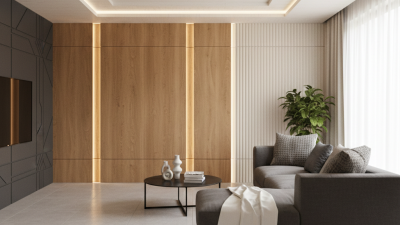
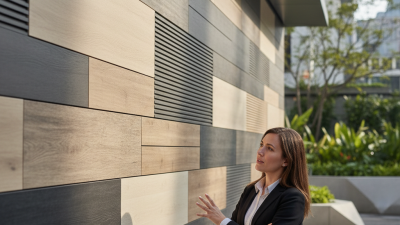
WPC wall cladding offers a unique aesthetic appeal that can transform any interior space. The blend of wood and plastic creates a warm yet modern look. Various finishes and textures mimic natural materials beautifully. This versatility allows homeowners to express their style without sacrificing durability. Whether it’s a cozy den or a sophisticated office, WPC cladding elevates the ambiance.
Many may overlook maintenance when choosing interior materials. However, WPC is engineered to resist moisture, fading, and termites. This durable choice can save costs and effort in the long run. While it’s not entirely maintenance-free, the required upkeep is minimal. Some users reported inconsistent color matching between batches, which could be a concern.
Light play is another benefit of WPC wall cladding. Its surface reflects light differently, enhancing the warmth in a room. The right choice can brighten dark corners and add dimension. This can be crucial when striving for a welcoming environment. Yet, those unfamiliar with installation might face challenges. Seeking professional help can mitigate potential issues with improper fitting.
Eco-Friendly Benefits of Using WPC for Indoor Wall Finishing
WPC, or wood-plastic composite, provides significant eco-friendly benefits for indoor wall cladding. By combining wood fibers and plastic, it significantly reduces waste. Reports show that using WPC can decrease waste by as much as 50% compared to traditional wood products. This blend not only conserves resources but also minimizes the need for pesticides and harsh chemicals often associated with wood treatment.
Moreover, WPC is a recyclable material. Once its life cycle as cladding is complete, it can be reprocessed into new products. This feature supports a circular economy, crucial in today's environmental discussions. Additionally, WPC walls often have enhanced thermal properties, which can lead to lower energy bills. A study indicated that homes with such materials could reduce heating costs by an average of 15%.
Choosing WPC also contributes to better indoor air quality. Unlike traditional wood, WPC does not emit volatile organic compounds (VOCs). This factor is vital, particularly for homes in urban areas where air quality is a concern. However, maintaining WPC can be a challenge. While it is generally low-maintenance, it can require specific cleaning products to avoid damage. Balancing these benefits with maintenance needs is essential for homeowners.
Cost-Effectiveness of WPC Wall Cladding in Home Renovation Projects
WPC wall cladding offers significant cost advantages for home renovation projects. It combines wood and plastic, creating a durable material that withstands weather and wear. This durability reduces the need for frequent replacements. Homeowners can save money over time with lower maintenance costs.
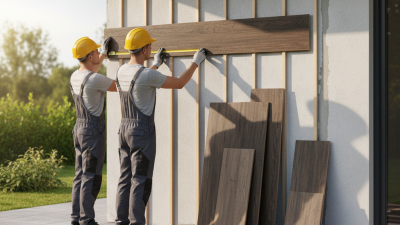
Installation is typically easier and faster than traditional materials. This reduced labor time can lead to direct savings. Home renovation projects often have tight budgets. WPC wall cladding can fit into various price ranges, making it a versatile choice.
In terms of aesthetics, WPC cladding mimics wood but does not warp or crack. This feature adds to its long-term value. However, some homeowners might question its long-term durability compared to natural wood. It's essential to weigh these considerations carefully. Understanding how WPC fits into your renovation plans can lead to smart financial decisions.