Ultimate Tips for Choosing Fluted Wall Panels for Your Project?
Choosing the right fluted wall panel can elevate your project significantly. Expert designer Julia Hart emphasizes, “Fluted wall panels add depth and character to any space.” With countless options available, making a decision may feel daunting.
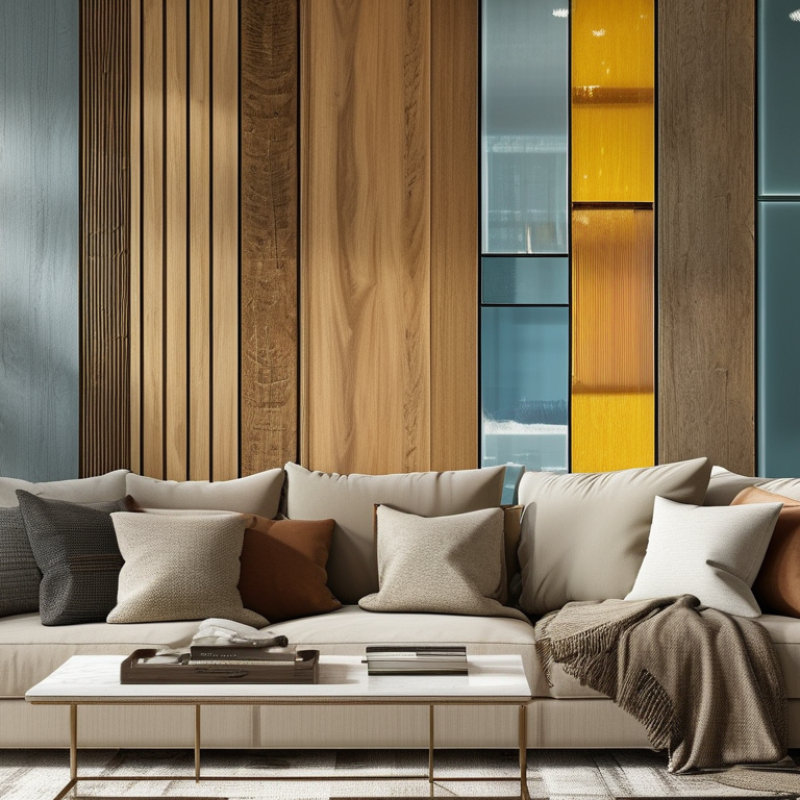
Fluted wall panels come in various materials, textures, and colors. They can transform walls into stunning features. Even small design choices can lead to unique outcomes. Details matter, whether you opt for wood, MDF, or fiberglass panels. Each material brings its own benefits and challenges.
Consider your overall design theme before making a choice. An elegant fluted wall panel can enhance both modern and traditional interiors. However, ensure that your selected panel aligns with the room’s functionality. Weigh aesthetics against practicality. Reflecting on these aspects is crucial for a successful project.
Understanding Fluted Wall Panels: Types and Materials
Fluted wall panels offer a unique aesthetic that can elevate any interior space. Understanding the types and materials of fluted wall panels is essential for a successful project. Common options include wood, MDF, and PVC. Each material has its own characteristics, durability, and maintenance requirements. For example, wood provides warmth but may require regular upkeep. MDF is versatile and less expensive, while PVC is moisture-resistant and easy to clean.
When choosing fluted wall panels, consider your design goals. Think about how the texture can influence the room's ambiance. You might find that wider flutes add a bold statement, while narrower flutes create subtle elegance. Always assess the space carefully. The color and finish you select should harmonize with existing decor.
Tip: Experiment with different lighting to see how it interacts with the panel texture. It can change how the flutes appear in your space. Remember to check acoustics if sound is a concern. Fluted panels can affect room acoustics based on their positioning and material. This aspect requires attention to detail for a well-rounded design. Keep these considerations in mind to ensure you maximize the potential of fluted wall panels.
Evaluating Aesthetic Appeal: Design Considerations for Fluted Panels
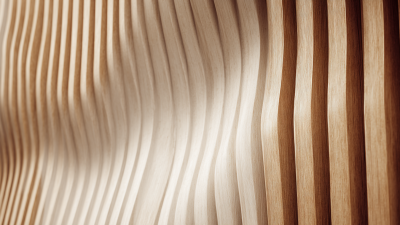
When considering fluted wall panels, aesthetic appeal plays a vital role. These panels can drastically change a space's vibe, providing texture and depth. Select colors that harmonize with your overall design scheme. Neutral tones might create a calming atmosphere, while bold hues can energize a room. Reflect on how light interacts with the paneling. The grooves can cast intriguing shadows, enhancing the visual interest.
The size and spacing of flutes are equally important. Wider grooves often evoke a more dramatic effect, while narrower flutes can offer elegance. A carefully chosen pattern can influence the perception of space, making small rooms feel larger or cozy. Think about the finish too. Matte surfaces lend a modern touch, while glossy finishes may amplify the design's sophistication.
While fluted panels are stunning, reflect on their maintenance. Smooth surfaces might be easier to keep clean than complex textures. Consider the longevity of materials as well. Choosing high-quality options will ensure your investment endures. Evaluate the room's purpose too; some designs may shine in social spaces, while simpler options could suit quieter areas better.
Practical Aspects: Installation Techniques and Maintenance Tips
When it comes to installing fluted wall panels, preparation is key. Before you begin, make sure the wall surface is clean and dry. A level surface ensures the panels fit properly. Take your time measuring the space. Often, measurements can lead to discrepancies. A slight miscalculation can result in panels that do not align perfectly. Consider using a laser level for added precision.
Installation techniques can vary, but using adhesive is common. Apply it evenly on the back of each panel. Press firmly and hold in place for a few seconds. Some prefer using nails or screws for a more permanent fixture. Be cautious with spacing; breathability is essential, especially in humid environments. This prevents warping over time. If panels require painting or finishing, do this before installation. This avoids mess and ensures a smooth application.
Maintenance is another crucial element. Regular cleaning prevents dust build-up. Use a damp cloth to wipe down the panels. Avoid harsh chemicals that might damage the finish. Inspect the panels for any signs of wear or damage regularly. Small issues, if not addressed promptly, can worsen. A proactive approach to maintenance can extend the life of your fluted wall panels significantly.
Cost Factors: Budgeting for Fluted Wall Panel Projects
When budgeting for fluted wall panel projects, cost factors can vary widely. Consider materials first. The choice between wood, MDF, or PVC will impact your budget. Wood may feel upscale but can also inflate costs. On the other hand, MDF offers a more affordable option, yet it may not withstand moisture as well.
Installation costs are another critical consideration. Hiring a professional can increase your budget significantly. However, if you choose to DIY, ensure you have the right tools and skills. Mistakes during installation can lead to higher expenses later on. Labor costs can also fluctuate based on your location and the complexity of the design.
Don’t forget to factor in maintenance costs. Fluted wall panels require occasional upkeep. For example, painted finishes might need touch-ups after a few years. Are you ready for that responsibility? Weather and wear can impact longevity. Account for these future costs when establishing your initial budget. In choosing fluted wall panels, making informed decisions leads to a successful project that meets your aesthetic and financial goals.
Ultimate Tips for Choosing Fluted Wall Panels for Your Project? - Cost Factors: Budgeting for Fluted Wall Panel Projects
| Cost Factor |
Description |
Estimated Cost ($) |
| Material Type |
Cost varies significantly between MDF, plywood, and fiberglass |
$15 - $50 per panel |
| Size and Dimensions |
Larger panels require more material and increase cost |
$20 - $60 per panel |
| Finish Type |
Painted, veneer, or textured finishes can impact pricing |
$10 - $30 additional per panel |
| Installation Costs |
Professional installation may be recommended |
$100 - $300 based on complexity |
| Retail Markup |
Factor in retailer margins when budgeting |
10% - 30% above wholesale |
| Shipping Costs |
Depending on distance and quantity, shipping can add up |
$50 - $200 |
Sustainability Concerns: Eco-Friendly Options and Certifications
Sustainability is crucial when choosing fluted wall panels. Many options now prioritize eco-friendly materials. This helps reduce the environmental impact of construction projects.
Look for certifications that indicate sustainable practices. Certifications like FSC or LEED show that materials come from responsible sources. Understand what these certifications mean. They ensure that your panels are sourced sustainably, but details may vary between different organizations.
Consider the lifecycle of the materials used. Are they recyclable? Do they release harmful emissions? These factors can affect indoor air quality. Not all options labeled "eco-friendly" meet the same standards. It’s essential to research manufacturers and their sourcing methods carefully. While some panels boast green credentials, they may lack transparency. Take the time to verify all claims before making a decision.
Eco-Friendly Options for Fluted Wall Panels