How to Install Fluted Wall Panels for a Modern Look?
Fluted wall panels have emerged as a popular design choice in modern interiors. According to a report by the Design Industry Research Group, the market for wall paneling is expected to grow by 15% annually. This rise is driven by the increasing demand for aesthetic appeal and functional benefits in residential and commercial spaces.
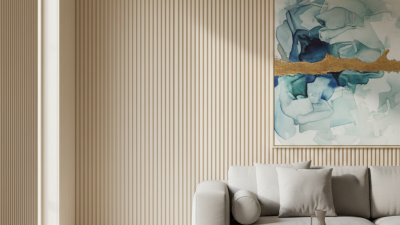
Expert designer Jane Thompson states, "Fluted wall panels create depth and texture, significantly enhancing any room's atmosphere." This highlights the impact these panels can have on interior design. Yet, many overlook the installation process, which can greatly affect the final look. Proper alignment, accurate measurements, and suitable materials are crucial for achieving that sleek finish.
Some homeowners hesitate to try fluted wall panels due to perceived complexity. They fear subpar results or misaligned patterns. However, gaining insight into correct installation methods can alleviate these concerns. Every space has unique dimensions, and slight adjustments are often needed. This journey towards a modern look with fluted wall panels offers a refreshing challenge, inviting creativity and attention to detail.
Choosing the Right Fluted Wall Panels for Your Space
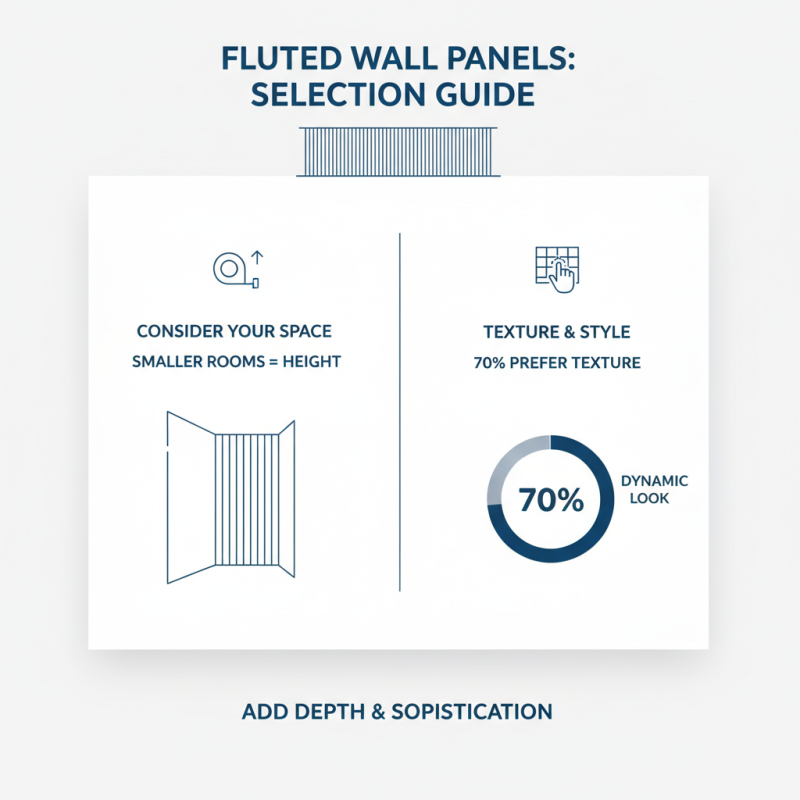
When selecting fluted wall panels, consider your space's size and style. Fluted designs can create a sense of height in smaller rooms. According to a recent report, about 70% of homeowners prefer textured surfaces for a more dynamic look. The right choice brings depth and sophistication.
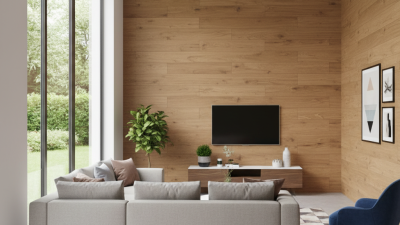
Natural materials, like wood or bamboo, are popular choices. They add warmth to contemporary spaces. However, they require maintenance and might not suit every climate. In contrast, PVC panels offer durability and easy cleaning. Yet, they may lack the organic touch that some desire. Aim for a balance between aesthetics and practicality.
It's essential to visualize how panels will fit in your design. Consider lighting and room dimensions. A panel that looks great in a showroom might feel overwhelming in your living room. Spend time evaluating samples and seeking feedback from others. Reflections can lead to better decisions, ensuring a cohesive final result. The details matter in creating a truly modern look.
Preparing Your Walls for Installation
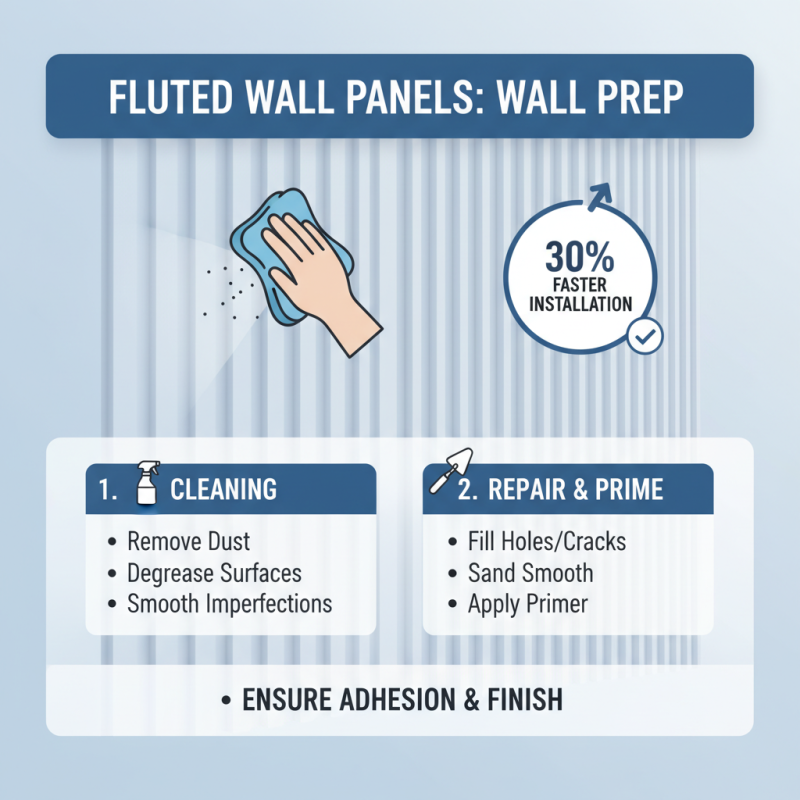
Preparing your walls for installing fluted wall panels is crucial for achieving a polished, modern look. Proper surface preparation not only ensures that your panels adhere well but also enhances the overall aesthetic. According to industry reports, well-prepared walls can improve installation efficiency by almost 30%. Start by cleaning the wall surfaces thoroughly to remove any dust, grease, or imperfections.
Inspect the walls for any damages. Cracks or holes should be filled with a suitable patching compound. It's vital that the surface is smooth and even. Uneven walls can cause issues during the paneling process. Professionals often recommend using a level to check vertical and horizontal alignments. Small discrepancies can lead to larger problems later.
Tips: Consider removing any old wallpaper or loose paint. This could affect how well the panels stick. Additionally, using a primer can provide an extra layer of adhesion and improve the final appearance. Finally, test fit the panels before fixing them permanently. This step can reveal hidden challenges that might require adjustments. Always ensure that electrical outlets and light switches are accounted for in your planning.
Step-by-Step Installation Process for Fluted Panels
Installing fluted wall panels can transform any space, lending a modern and textured feel to interiors. First, gather your materials. You will need fluted panels, adhesive, a utility knife, and measuring tools. Accurate measurements are crucial. Studies suggest that improper measurements account for 20% of installation issues.
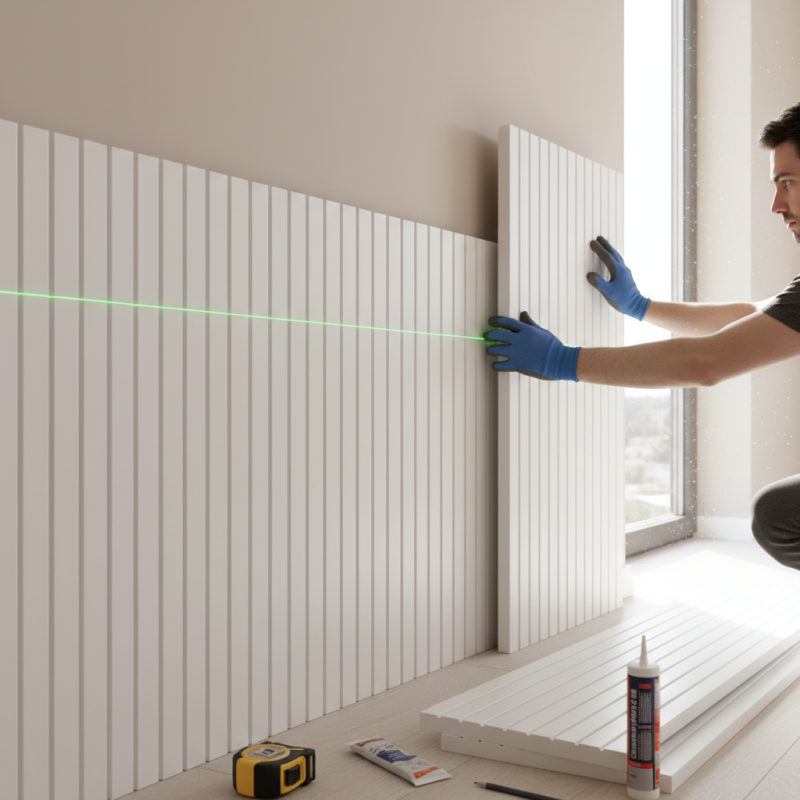
Start by preparing your wall surface. Ensure it is clean and smooth. Use a level to mark straight lines for alignment. Remember, even minor misalignments can affect the final look. Many professionals advocate spending extra time on this step.
Next, cut your panels to size. Precision is key here. Even small errors can lead to gaps or unsightly seams. Apply adhesive as directed and press each panel firmly against the wall, ensuring even spacing. A study from the Wall Panel Industry Association indicates that proper adhesion can enhance the durability of the installation by up to 30%. Keep checking your alignment as you go. Take a step back often to assess your progress.
How to Install Fluted Wall Panels for a Modern Look? - Step-by-Step Installation Process for Fluted Panels
| Step |
Description |
Materials Needed |
Estimated Time |
| 1 |
Prepare the wall surface. |
Level, measuring tape, utility knife. |
30 minutes |
| 2 |
Measure and mark panel placements on the wall. |
Measuring tape, level. |
15 minutes |
| 3 |
Cut panels to size if necessary. |
Utility knife, safety goggles. |
45 minutes |
| 4 |
Apply adhesive to the back of the panels. |
Panel adhesive, caulking gun. |
20 minutes |
| 5 |
Press the panels firmly against the wall. |
None. |
30 minutes |
| 6 |
Fill seams and gaps with caulk. |
Caulk, caulking tool. |
20 minutes |
| 7 |
Paint or finish the panels as desired. |
Primer, paint, brushes or rollers. |
1-2 hours |
Finishing Touches and Maintenance for Fluted Wall Panels
Fluted wall panels can enhance the aesthetic of any modern space. They provide texture and depth, perfect for creating a statement. However, proper finishing touches are crucial for maximizing their impact.
After installation, consider applying a protective sealant. This will guard against moisture and stains. According to recent industry reports, surfaces treated with sealants can last up to 30% longer. It’s important to choose the right sealant for the material of your fluted panels. A mismatched product could lead to peeling or discoloration over time.
Maintenance is another key aspect. Regularly dusting the panels with a microfiber cloth helps maintain their appearance. For deeper cleanings, a mild detergent can be used. Remember, the wrong cleaning solution can damage the finish. Occasionally, inspect for any signs of wear. Early detection can prevent costly repairs later.
Tip: Always test new cleaning products on a hidden section. This small step can save you headaches. Maintaining the panels well ensures they remain a beautiful feature in your home. Adjust your approach based on the environment. For example, higher humidity areas may need more frequent treatments.
Incorporating Lighting to Enhance Fluted Wall Designs
Lighting plays a crucial role in enhancing the beauty of fluted wall designs. The right lighting can transform a space, adding depth and interest. A recent industry report by the American Lighting Association notes that well-placed lighting can increase the perceived value of a room by up to 30%. This is significant, especially for those looking to elevate home aesthetics.
Consider using recessed lighting to illuminate fluted panels from above. This technique highlights the texture and grooves, creating shadows that add dimension. Wall sconces flanking the panels can further enrich the design. A study from the Illuminating Engineering Society suggests that layered lighting increases visual appeal, influencing how people feel in the space.
However, it's essential to balance technique with intention. Lighting too bright may wash out the fluted effect, losing its charm. Soft, warm tones can create a more inviting atmosphere. A 2021 report indicated that 68% of homeowners prefer warm lighting in living areas. Experimentation may yield the best results. Adjusting the angle and brightness can significantly impact your space. Embrace the process and learn from what works best for your fluted wall designs.
Fluted Wall Panel Installation Trends and Lighting Enhancements
This chart illustrates relevant data on fluted wall panel installation, highlighting average installation time, cost, and lighting options that enhance modern wall designs.