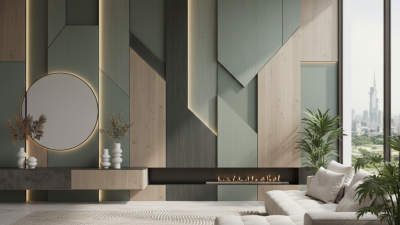
How to Choose WPC Wood Wall Panel for Your Home Decor Needs?
Choosing the right WPC Wood Wall Panel for your home is essential for effective decor. The growth in the global wood plastic composite market is notable, projected to reach USD 10.17 billion by 2027. WPC offers durability, aesthetics, and eco-friendliness. Its combination of plastic and wood fibers makes it resistant to moisture and insects.
When selecting WPC Wood Wall Panels, consider factors like color, texture, and installation ease. While many panels are promising, some may not meet expectations in longevity. Reports suggest that quality varies significantly among manufacturers. A panel that looks good might not perform well under adverse conditions.
Moreover, upcoming exhibitions, such as the 139th Canton Fair, will showcase innovative materials, including WPC panels. This can provide valuable insights into emerging trends. Attending these events aids in making informed choices. Remember, the ideal panel enhances both functionality and beauty in your living space.
Factors to Consider When Choosing WPC Wood Wall Panels
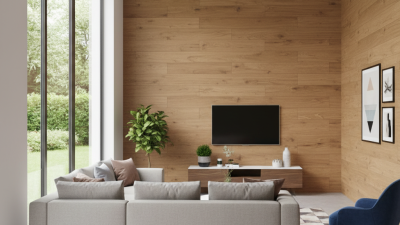
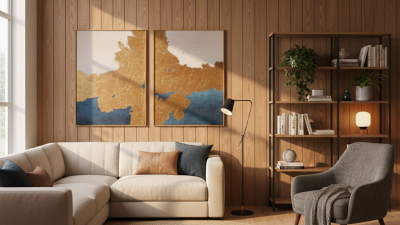
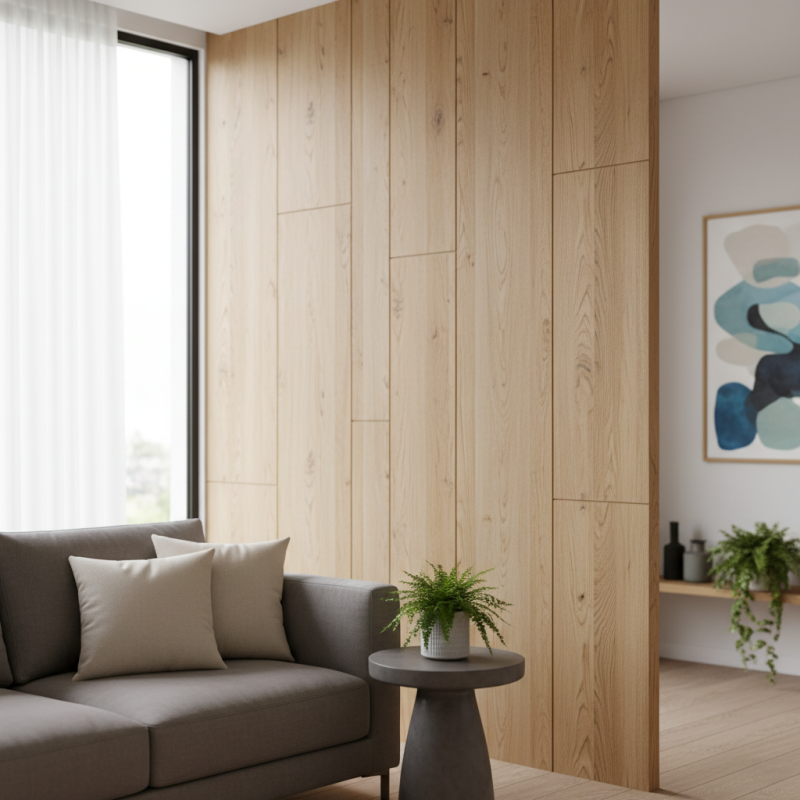
Choosing the right WPC wood wall panels for home decor can be challenging. Start by considering the panel's design. Do you prefer a rustic look or a sleek modern finish? Color plays an essential role. Natural wood tones create warmth, while darker shades offer elegance.
Next, think about the panel’s durability. WPC panels are often water-resistant, which is crucial for kitchens and bathrooms. However, not all panels are created equal. Check the specifications carefully. Weight and flexibility are important as well. Heavier panels may provide better insulation but can be tougher to install.
Finally, installation should be a consideration. Some panels are easy and quick to install yourself, while others may require professional help. Reflect on your DIY skills before making a decision. It’s okay to feel unsure. It’s part of the process. Your choice reflects your style and comfort.
Different Styles and Finishes of WPC Wood Wall Panels
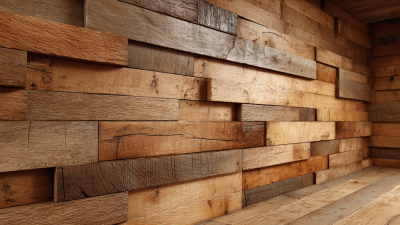
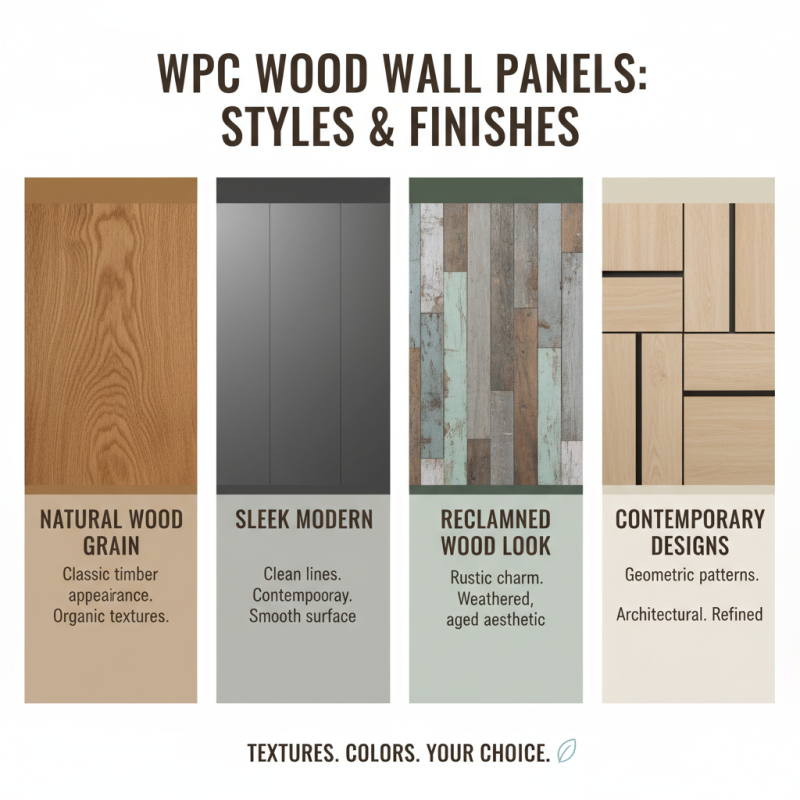
When choosing WPC wood wall panels, consider different styles and finishes available. These panels come in various textures and colors. Some emulate natural wood grains, while others provide a sleek, modern appearance. You might prefer the rustic charm of reclaimed wood looks. Or maybe, the clean lines of contemporary designs catch your eye.
Finishes vary too. Smooth surfaces can give a polished feel to your space. Textured finishes add depth and interest. Matte finishes are subtle and understated, while glossy options reflect light, brightening up rooms. It’s important to notice how these finishes interact with your home decor. What works in one area may feel out of place in another.
Choosing the right style and finish takes time. You might make mistakes along the way. A bold choice could overwhelm a small room. On the flip side, a too-simple panel might get lost in a vibrant space. Reflecting on your options can lead to the best decisions. Take your time to visualize how each option will transform your home.
Evaluating the Durability and Maintenance of WPC Wood Panels
When considering WPC wood panels for your home, durability is key. These panels resist moisture and decay, making them a great choice for various climates. Many homeowners appreciate this feature, especially in areas prone to humidity. However, not all WPC products are created equal. Some may not withstand heavy impacts as well as others, leading to potential damage over time.
Maintenance is another crucial aspect. WPC panels require regular cleaning to maintain their appearance. Simple soap and water usually do the trick, but be cautious about using harsh chemicals. They can strip away the protective layers. It’s also wise to check for scratches or dents periodically. Though WPC is durable, it’s not invincible. You may notice some fading in direct sunlight, which could be a concern for certain spaces.
Choosing WPC involves careful consideration of such factors. Think about your specific usage and environment. Are you ready to commit to the upkeep these panels require? Reflecting on these aspects can help you find the right fit for your home. Consider the trade-offs before making a final decision.
Cost Comparison: WPC Wood Panels vs. Traditional Wood Panels
WPC wood panels have gained popularity for home decor, primarily due to their cost-effectiveness. A recent industry report highlights that WPC panels can be up to 30% less expensive than traditional wood panels. This considerable savings allows homeowners to stick to budgets while achieving aesthetic goals. However, price is not the sole factor to consider.
Traditional wood panels, while beautiful and sturdy, can be quite pricey. Costs vary by wood type and finish. According to market data, high-quality hardwoods can cost over $10 per square foot. In contrast, WPC panels average around $7 per square foot, making them an appealing alternative for many. Durability and maintenance also play a crucial role in the long-term costs associated with either option.
**Tip:** When selecting panels, assess the environment. High humidity areas may favor WPC due to its water resistance.
Another crucial aspect is installation. WPC panels often come with tongue-and-groove systems that simplify the process. This can reduce labor costs significantly. However, ensuring that you choose the right fit can sometimes be tricky.
**Tip:** Consider consulting a professional for a proper assessment. They can guide you on ideal panel choices based on your specific needs.
Installation Tips for WPC Wood Wall Panels in Home Decor
Installing WPC wood wall panels can transform your home decor. These panels offer durability and aesthetic appeal. According to a recent industry report, WPC panels can last up to 25 years. They are resistant to moisture and pests, making them suitable for various indoor applications.
Before installation, ensure the wall surface is clean and dry. This is crucial. Any dust or moisture can affect adhesion. Use a level to mark guidelines for panel placement. The panels should be evenly spaced to maintain a uniform look. If you’re not confident in your skills, consider consulting a professional. Improper installation can lead to costly repairs.
Humidity can also affect the installation process. Panels should acclimate to the room's temperature for 48 hours. This step is often overlooked but essential. Some users report issues with expansion or contraction if this isn’t done. Inadequate attention to your environment can lead to mistakes. Taking time to prepare properly pays off in the long run.