Best Wall Covering Panel Options for Modern Interiors?
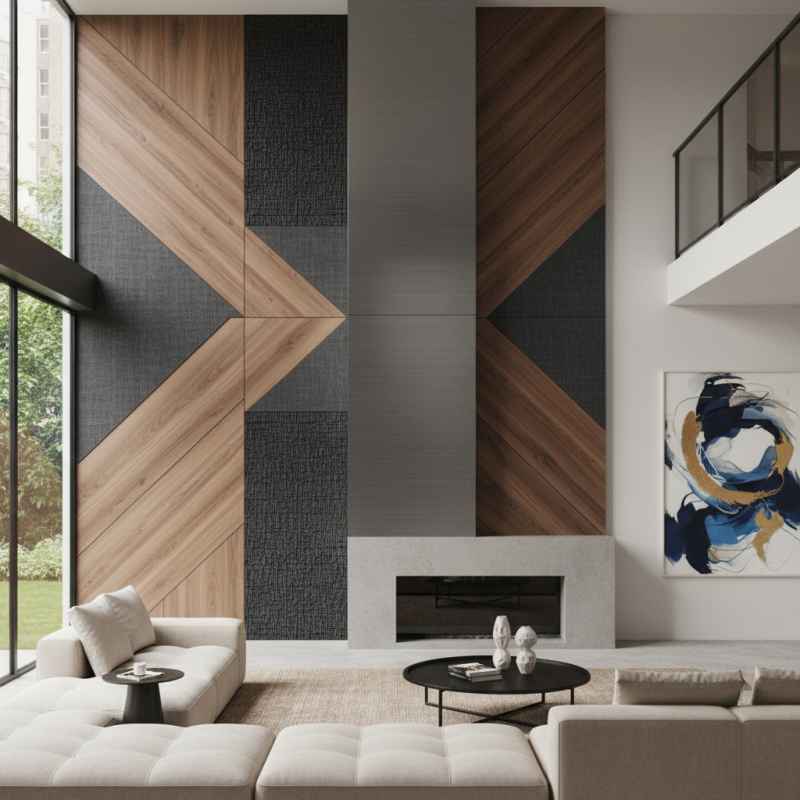
In the realm of modern interior design, aesthetics play a crucial role. One appealing choice for enhancing spaces is the Wall Covering Panel. These panels are versatile and can transform any room with style. They offer a unique texture and visual interest, making them a favorite among designers.
Choosing the right Wall Covering Panel can be daunting. Options range widely, from wood to metal, each offering distinct advantages. Some provide warmth, while others enhance a sleek, contemporary vibe. It's essential to consider the overall theme of your home. A mismatched panel can detract from the design.
Textures and colors matter significantly when selecting. A bold panel can make a statement, but it might overpower a small room. Reflect on your space's dimensions before deciding. An imperfect choice may require reflection and adjustment. The right Wall Covering Panel should harmonize with your interior's essence.
Understanding Wall Covering Panels: Types and Materials for Modern Interiors
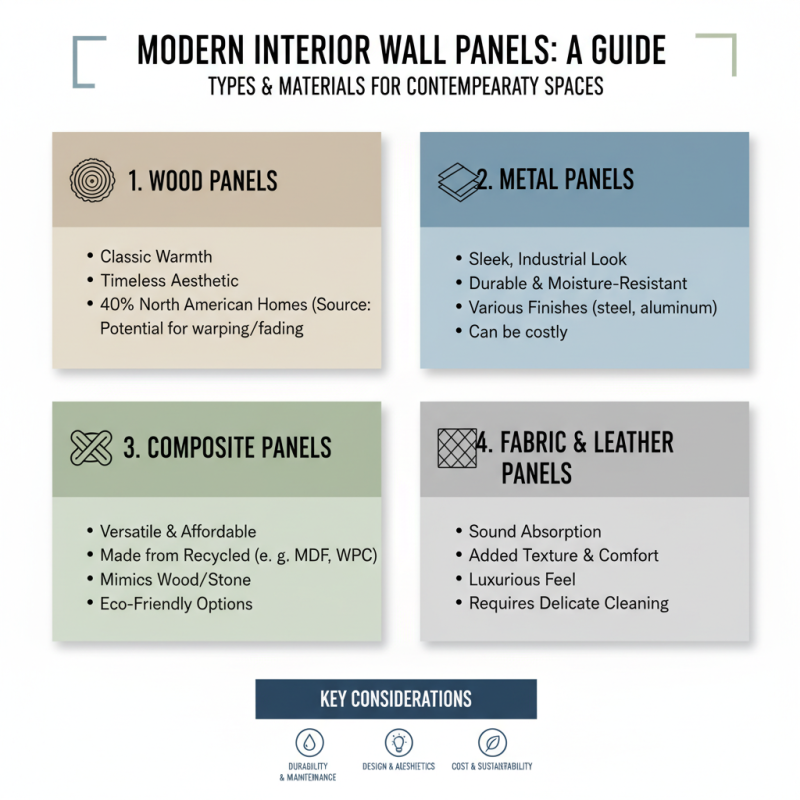
When choosing wall covering panels for modern interiors, various types and materials are essential to understand. In recent years, the market has seen a surge in options, driven by design trends and consumer demand. For example, wood panels remain popular, offering warmth and a timeless aesthetic. A report from the Interior Design Association states that wood paneling is used in 40% of North American homes due to its versatility and appeal. However, maintenance can be an issue, as wood may warp or fade over time.
Another significant option is vinyl wall covering panels. They are stylish and practical, ideal for high-traffic areas. A report from Market Research Future highlights that vinyl panels have a growing market share, projected to reach $1.5 billion by 2025. Their easy installation and cleaning make them attractive for modern spaces. Yet, they may not provide the same luxurious feel as other materials.
Lastly, eco-friendly options like bamboo and reclaimed materials are gaining traction. A study from the Green Building Council shows that 75% of millennials prefer sustainable materials in their homes. While these materials often have unique aesthetics, the sourcing process can sometimes be complicated. Many consumers find it challenging to identify truly eco-friendly options, which can be frustrating.
Key Benefits of Using Wall Covering Panels in Contemporary Design Spaces
Wall covering panels are gaining popularity in modern interior design. They offer a unique
aesthetic appeal that can instantly elevate any space.
Whether used in residential or commercial environments, these panels create a visual impact that plain walls
simply cannot achieve.
One key benefit is versatility. These panels come in a
myriad of materials, colors, and finishes. From wood to metal, the choices can fit various styles.
For instance, textured panels can add depth to a room,
while sleek, glossy surfaces promote a minimalist vibe.
They can also be easily installed or removed, which can be a game changer for those who enjoy frequent makeovers.
Another advantage is durability. Most wall panels
are designed to withstand wear and tear. Unlike traditional wallpaper, they resist moisture and scratches,
making them suitable for high-traffic areas. However, it’s important to select materials wisely to avoid
potential maintenance issues. For example, while some may look stunning, they might be hard to clean.
It’s essential to balance aesthetics with
practicality for the best results. Choosing the right wall panel can be a rewarding yet challenging task.
Comparative Analysis: Wood, Metal, and PVC Panels in Modern Interiors
When considering wall coverings for modern interiors, wood, metal, and PVC panels each offer unique aesthetics and benefits. Wood panels can create a warm, inviting atmosphere. They often feature natural grains and textures. However, wood requires maintenance to prevent warping and fading. It may not suit humid environments.
Metal panels provide a sleek, contemporary look. They reflect light beautifully and can be quite durable. But metal can become cold and uninviting. It’s also prone to dents and scratches which need careful handling. Some might find the echo in a room with metal surfaces too harsh.
PVC panels stand out for their practicality. They are lightweight, affordable, and easy to clean. They mimic other materials well. However, they may lack the character of natural products. Some could perceive PVC as a less sustainable choice.
**Tips:** Consider your space when choosing materials. Think about the mood you want to create. Mix different textures for depth. Don't overlook the importance of maintenance. Choosing a low-maintenance option can save time and effort. Embrace imperfections in materials—they tell a story.
Best Wall Covering Panel Options for Modern Interiors
| Panel Type |
Material |
Aesthetic Appeal |
Durability |
Cost |
Installation Ease |
| Wood Panel |
Natural Wood |
Warm and Inviting |
High |
Moderate to High |
Moderate |
| Metal Panel |
Aluminum or Steel |
Sleek and Modern |
Very High |
High |
Challenging |
| PVC Panel |
Polyvinyl Chloride |
Versatile and Colorful |
Moderate |
Low |
Easy |
Trends in Wall Covering Panels: Sustainability and Aesthetic Appeal
In modern interiors, wall covering panels have gained traction due to their sustainability and aesthetic appeal. According to a recent industry report, 45% of consumers prioritize eco-friendly materials when choosing interior finishes. This shift reflects a growing awareness of environmental concerns, driving designers toward sustainable options like reclaimed wood or recycled materials.
Sustainability is key, but aesthetics matter too. Many consumers now seek panels that complement minimalist designs while adding warmth and texture. Textured wall panels, often made from natural fibers, can create an inviting atmosphere. Yet, not every option offers the same level of durability or ease of maintenance. Some wood products may require extensive care and are susceptible to wear over time, raising questions about their long-term viability.
Interestingly, some manufacturers still rely on non-sustainable sources, which can lead to a disconnect between consumer values and product offerings. A staggering 30% of design professionals report difficulty finding sustainable wall panels that meet aesthetic standards. This gap presents both challenges and opportunities for the industry to evolve, highlighting the importance of transparency and innovation in this segment.
Best Wall Covering Panel Options for Modern Interiors
Installation and Maintenance Considerations for Interior Wall Panels
When choosing wall covering panels for modern interiors, installation plays a critical role. Different materials require various approaches. For instance, wood panels often need precise cutting. If not done correctly, gaps may appear. Pre-assembled panels simplify this process, but ensure they fit snugly during installation.
Maintenance cannot be overlooked. Some materials are more durable than others, affecting upkeep. For example, vinyl panels are easy to clean. On the other hand, wood may require regular sealing. Dust can accumulate in grooves, requiring extra effort. Regular checks can prevent bigger issues later.
Consider the room's environment as well. High humidity can warp some materials. For damp areas, choose moisture-resistant options. Think about the long term. A beautiful wall today may require attention tomorrow. Be realistic about the time and care needed to keep your space looking fresh.