
Leave Your Message

Best Indoor WPC Wall Panels for Your Next Project?

When planning your next home improvement project, consider Indoor WPC Wall Panels. These panels have gained popularity due to their aesthetic appeal and durability. Made from wood plastic composite, they combine the beauty of wood with the resilience of synthetic materials.

Indoor WPC Wall Panels resist moisture and are easy to clean, making them ideal for various settings. Their versatility allows for stunning designs, from contemporary to rustic. However, not all options are equal. Selecting the right product requires careful consideration. Some panels may warp or fade over time if not manufactured properly.

Investing in Indoor WPC Wall Panels can transform your space. Yet, it’s crucial to research quality and brand reputation. Look for products with positive reviews and certifications. This will ensure you make a reliable choice for your project. Balancing aesthetics and functionality is key to achieving a satisfying result.
Best Indoor WPC Wall Panels for Your Next Project?

Best Indoor WPC Wall Panels: Advantages for Interior Design Projects

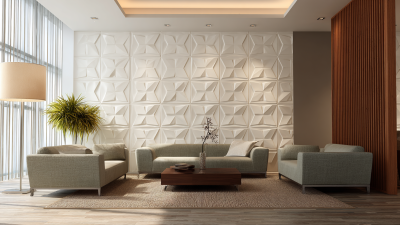
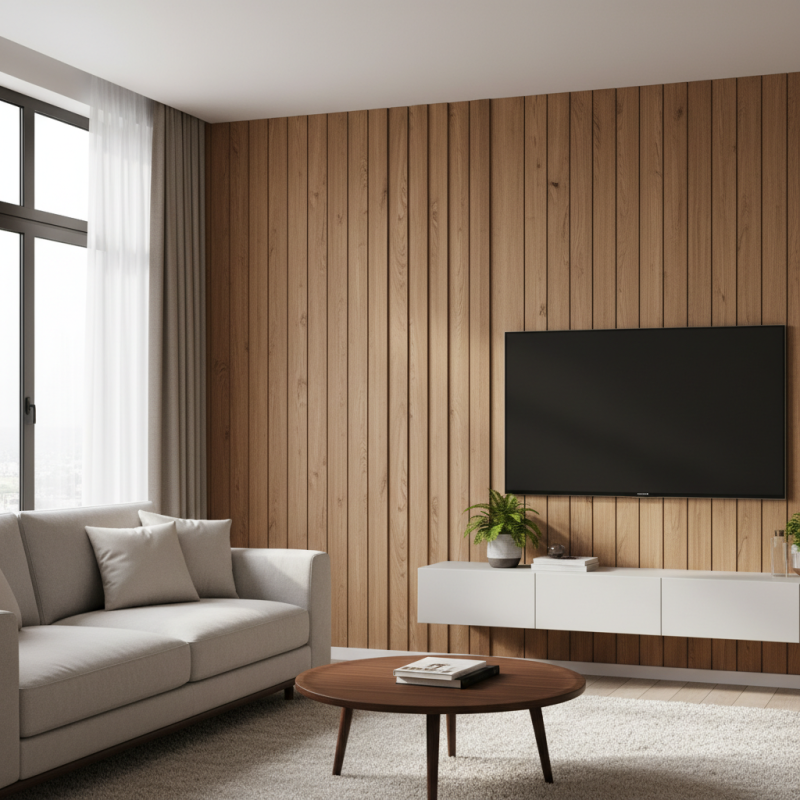
Indoor WPC wall panels offer several advantages for interior design projects. These panels blend natural wood aesthetics with durability and sustainability. They are water-resistant and easy to clean, making them ideal for various indoor spaces. This material also helps in reducing noise, providing a quieter environment.


Incorporating WPC wall panels into your design creates a modern touch. They are lightweight and easy to install, saving time during renovations. However, the choice of color and texture should be considered carefully. Not all options might suit your design vision, and some may look artificial. It’s essential to evaluate samples in your space before making a decision.


Customization is another appealing aspect. WPC panels can mimic wood, stone, or other materials, allowing versatility in design. But the market has many options, and the sheer variety can be overwhelming. It’s beneficial to research and consult with professionals to ensure the right fit for your project. Balancing aesthetics and functionality is crucial, and careful consideration will yield a satisfying result.
Key Features of WPC Wall Panels: Durability and Water Resistance

WPC (Wood Plastic Composite) wall panels are gaining traction in interior design projects due to their impressive durability and water resistance. According to a recent industry report, these materials can withstand moisture better than traditional wooden panels, making them ideal for humid environments. WPC panels resist warping and swelling. This resilience translates into a longer lifespan for installations, reducing the need for frequent replacements.

In terms of water resistance, WPC wall panels exhibit significantly lower water absorption rates. Reports indicate that they absorb just 0.5% of water compared to conventional wood's 10% or more. This characteristic prevents mold growth and structural damage, ensuring a healthier indoor environment. Additionally, WPC panels come with UV protection. This feature helps maintain the color and finish over time. Despite these advantages, WPC panels can sometimes be less aesthetically pleasing than solid wood. This may lead some designers to prefer traditional materials for visual appeal. Balancing aesthetics with functionality may require careful consideration.

Choosing the right material involves weighing these factors. While WPC panels offer durability and water resistance, users should reflect on the overall design goals. There's a need to assess how these panels fit into project themes. Understanding the trade-offs is essential for creating a successful indoor space.

Best Indoor WPC Wall Panels for Your Next Project - Key Features of WPC Wall Panels: Durability and Water Resistance

Feature Description Advantages Limitations
Durability WPC panels are made from a blend of wood fibers and plastic, offering robustness and longevity. Resistant to dents, scratches, and bending over time compared to traditional materials. Initial cost might be higher than some alternatives.
Water Resistance The plastic content provides resistance to moisture and humidity, preventing mold growth. Ideal for bathrooms and kitchens where moisture is prevalent. Not completely waterproof; prolonged exposure to water can still cause damage.
Variety of Designs Available in numerous colors, textures, and finishes to match diverse decor styles. Flexibility in design allows for custom looks. Limited to the designs available from manufacturers.
Ease of Installation Typically lightweight and can be installed with standard tools. Reduces labor costs and time for installation. Requires level walls for optimal results.
Low Maintenance Simple cleaning methods; resistant to stains and fading. Saves time and effort in upkeep compared to traditional wood panels. May require specific cleaners to avoid damage.

Comparative Analysis: WPC Wall Panels vs Traditional Materials

When evaluating WPC wall panels against traditional materials, significant differences emerge. WPC, or Wood-Plastic Composite, is increasingly favored for its durability and aesthetic appeal. According to a 2021 industry report, WPC materials show a 30% increase in longevity compared to traditional wood. They resist fading, warping, and mold, making them a practical choice for indoor settings.

In contrast, traditional materials like plywood or drywall can be more susceptible to damage and wear. These materials typically require regular maintenance. A 2022 survey indicated that 45% of homeowners reported dissatisfaction with the longevity of traditional wall finishes. Furthermore, installation of WPC panels is often simpler, saving time and labor costs. However, pricing is a point of contention, as WPC panels can be more expensive upfront.

Aesthetic versatility is another factor. WPC panels come in various colors and finishes, mimicking wood but offering added resilience. Nevertheless, some traditionalists argue the warmth of natural wood cannot be replicated. In cases where authenticity is prized, traditional materials still hold an advantage. Balancing these factors is critical when making a material choice for your project.

Cost-Effectiveness of WPC Wall Panels in Modern Construction

Best Indoor WPC Wall Panels for Your Next Project?

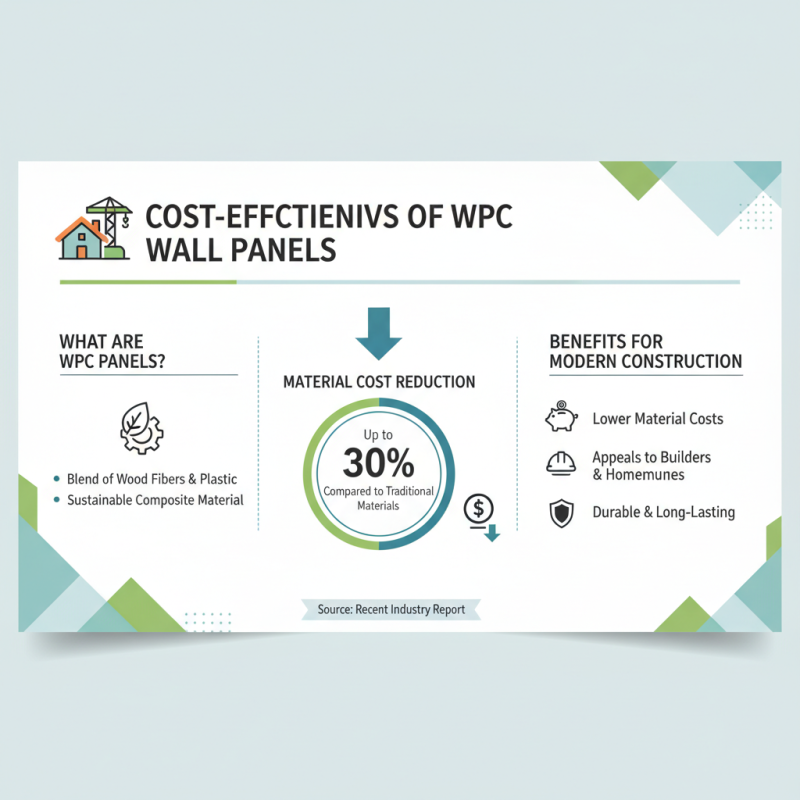
WPC wall panels, made from a combination of wood fibers and plastic, have gained traction in modern construction. Their cost-effectiveness is noteworthy. According to a recent industry report, using WPC panels can reduce material costs by up to 30% compared to traditional materials. This economic advantage appeals to builders and homeowners alike.

Installation plays a crucial role in overall expenses. WPC panels are lightweight and easy to handle, cutting down labor time by 25%. This speed advantage is particularly beneficial for large projects, where every hour translates to savings. Maintenance is also simpler. They resist moisture and pests better than conventional wood, potentially lowering upkeep costs over time.

While the benefits are substantial, there are considerations to keep in mind. Some reports indicate that cheaper WPC products may lack durability. Investing in higher-quality options is essential to avoid future replacements. Not all WPC panels are created equal, so it's wise to research thoroughly before purchasing. This ensures a balance between cost savings and long-term reliability.

Sustainability and Eco-Friendliness of WPC Wall Panels in Interiors

Best Indoor WPC Wall Panels for Your Next Project?

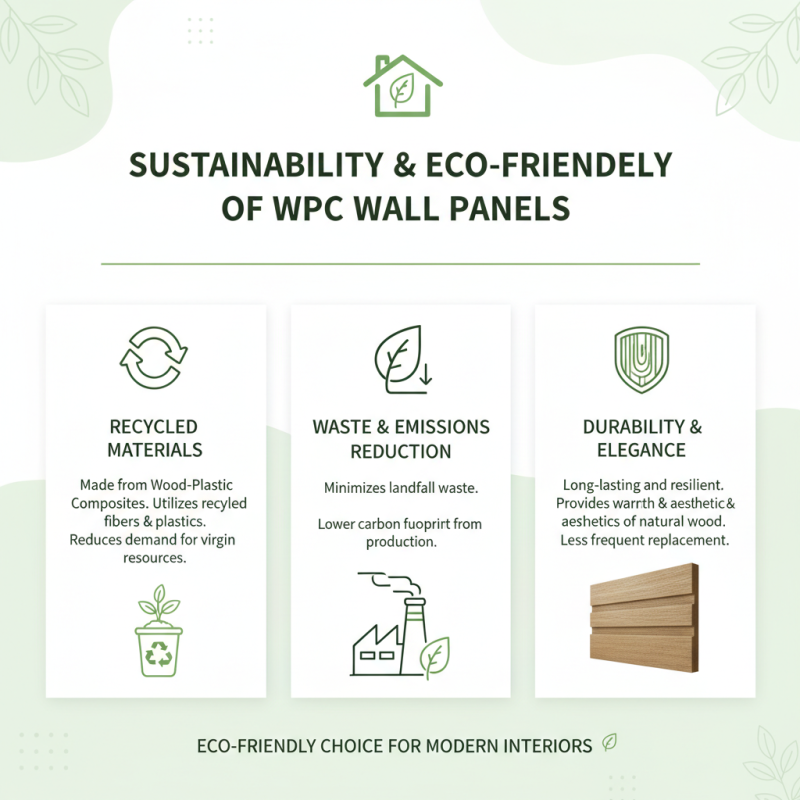
WPC wall panels, made from wood-plastic composites, present a sustainable option for interior designs. They are produced using recycled materials, reducing the demand for virgin resources. This eco-friendly approach minimizes waste and lowers carbon footprints. WPC panels are durable, yet they offer warmth and elegance similar to natural wood.

However, not all WPC products are created equal. The environmental impact largely depends on the sourcing of materials and manufacturing processes. Some panels may contain harmful additives, which can compromise their eco-friendliness. It's essential to research the specific composition of each product. Certifications can provide clarity on sustainability claims.

In interiors, WPC wall panels can enhance aesthetics while supporting sustainable practices. They resist moisture and pests, making them suitable for various environments. Yet, long-term durability can vary. Some panels may fade or warp over time. Regular maintenance is crucial to ensure they maintain their appearance. By making informed choices, designers and homeowners can create beautiful, sustainable spaces.