Discover the Benefits of WPC Wall Panels for Your Projects?
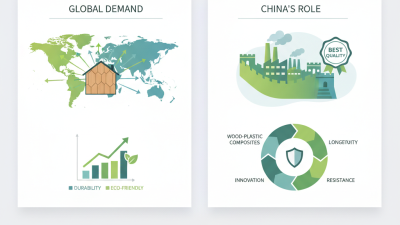
WPC (Wood Plastic Composite) Wall Panels are becoming increasingly popular in construction and design projects. According to a report by Smith & Associates, the WPC market is expected to grow by over 15% annually by 2025. This growth reflects the rising demand for sustainable materials that offer both durability and aesthetic appeal.
Experts in the industry, such as Dr. John Peterson, emphasize, “WPC Wall Panels combine the best of both wood and plastic, making them a smart choice for modern building needs.” Not only do they provide insulation and resistance to moisture, but they also require less maintenance compared to traditional materials. The ability to blend into various design themes adds to their versatility.
However, the industry is still evolving. Some manufacturers struggle with quality consistency. This inconsistency can affect long-term performance. As consumers become more discerning, the need for reliable and high-quality WPC Wall Panels will drive innovation and improvement in this sector. Investing in a reputable supplier is critical for ensuring product longevity and satisfaction.
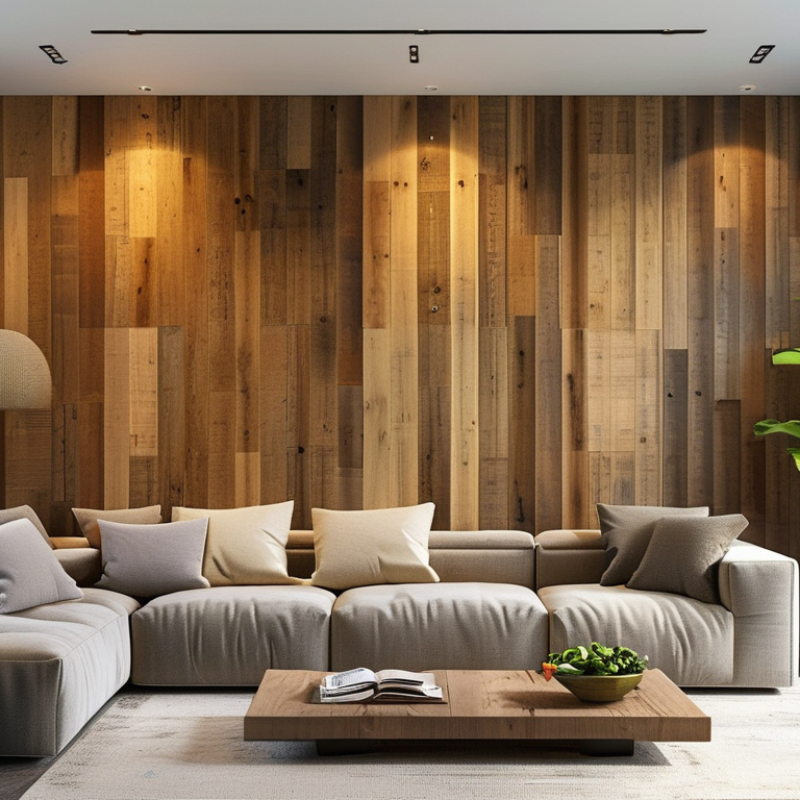
What are WPC Wall Panels and How Do They Work?
WPC wall panels, or Wood Plastic Composite wall panels, combine wood fibers and thermoplastics. This unique blend creates a durable and lightweight material suitable for various applications. According to the latest industry reports, the WPC market is expected to grow at a CAGR of over 10% through 2025. This growth is largely due to the material's versatility and sustainable properties.
These panels are resistant to moisture, insects, and fading. The manufacturing process uses recycled materials, making them an eco-friendly option. Many builders appreciate their ease of installation, which can reduce project timelines significantly. However, it's important to note that while WPC panels offer many benefits, they may require specific maintenance to prolong their lifespan.
While they do well in interior spaces, some users have reported concerns about their performance in extreme conditions. The color may fade over time with prolonged exposure to direct sunlight. Additionally, installation methods can vary, and improper techniques may lead to issues down the line. Evaluating both the advantages and challenges is crucial when considering WPC panels for your projects.
Key Advantages of Using WPC Wall Panels in Construction Projects
WPC wall panels are transforming construction projects with their unique features. These panels, made from wood-plastic composites, offer superior durability. Reports indicate that WPC panels can last up to three times longer than traditional wood. This longevity reduces the need for frequent replacements and maintenance, saving both time and money.
Moisture resistance is another key advantage. Unlike wood, WPC panels do not warp or swell when exposed to water. This property makes them ideal for both indoor and outdoor applications. According to the American Society of Civil Engineers, using moisture-resistant materials can cut remodeling costs by nearly 30%.
Additionally, WPC wall panels are eco-friendly. They utilize recycled materials, reducing overall waste in construction. Yet, some professionals remain cautious. Concerns about the environmental impact of certain additives in WPC compositions have been raised. Engaging in thorough research and selecting reputable suppliers is crucial in addressing this issue. Understanding both benefits and potential drawbacks can lead to more informed decisions in construction projects.
Comparison of WPC Wall Panels with Traditional Materials
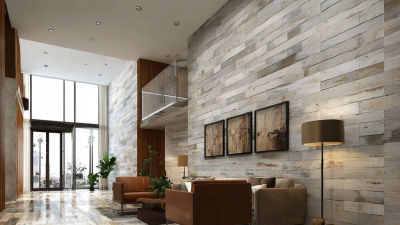
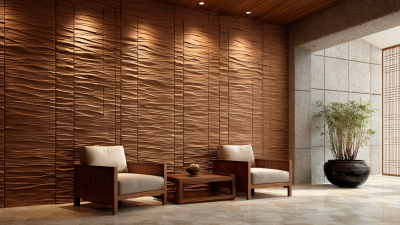
WPC wall panels stand out in modern design. They combine wood and plastic fibers, offering unique benefits. Compared to traditional materials like wood and drywall, WPC panels are more resistant to moisture and insects. This can lead to lower maintenance costs over time.
Traditional wood panels may need regular sealing and treatments. In contrast, WPC panels require minimal upkeep. Their lightweight nature makes installation easier and faster. Builders often find that WPC panels save time and reduce labor costs. However, some professionals still argue over the aesthetic appeal of traditional materials.
Durability is a major factor. WPC panels can handle various weather conditions, making them versatile. Nonetheless, their initial appearance may not satisfy every designer's vision. It’s essential to consider your project needs. Balancing cost, appearance, and durability can lead to challenging decisions. Exploring options and gathering feedback helps in making the right choice.
Sustainability Aspects of WPC Wall Panels
WPC wall panels offer intriguing sustainability benefits. Made from a blend of wood fibers and polymer, they provide a wood-like appearance without the environmental cost of traditional timber. Research shows that using WPC can reduce deforestation rates. According to a 2022 study by the Forest Products Laboratory, WPC panels can be as strong as solid wood while conserving tree resources.
The production of WPC panels is also more energy-efficient compared to alternative building materials. A report from the Building Research Institute highlights that producing WPC requires 30% less energy than creating pure plastic panels. This reduction in energy use translates into a lower carbon footprint. Additionally, many WPC products are recyclable, further enhancing their sustainable profile.
However, not all WPC panels are created equal. Some products may still contain harmful additives. Buyers should exercise caution and look for third-party certifications. The fluctuating quality in the market makes it essential to choose wisely. This emphasizes the ongoing challenge in balancing sustainability with performance in material choices.
Discover the Benefits of WPC Wall Panels for Your Projects - Sustainability Aspects of WPC Wall Panels
| Benefits |
Description |
Sustainability Aspect |
| Eco-Friendly Materials |
Made from recycled wood and plastic, reducing landfill waste. |
Utilizes recycled materials, promoting circular economy. |
| Low Maintenance |
Does not require painting or sealing, saving resources over time. |
Reduces chemical usage and maintenance efforts. |
| Durability |
Resistant to rot, decay, and insects, leading to long lifespan. |
Decreases the need for frequent replacements, conserving resources. |
| Energy Efficiency |
Provides better insulation compared to traditional materials. |
Helps in reducing energy consumption for heating and cooling. |
| Aesthetic Versatility |
Available in various designs and finishes to suit any project. |
Encourages the use of sustainable designs in architecture. |
Installation and Maintenance Tips for WPC Wall Panels
When considering WPC (wood-plastic composite) wall panels for projects, installation and maintenance are crucial.
These panels offer durability and aesthetic appeal, but they also require proper handling. According to a report by the Composite Panel Association,
WPC materials can withstand the elements for up to 25 years with appropriate care.
However, installation mistakes can reduce their lifespan significantly.
Proper installation begins with selecting the right tools and materials.
Use a saw designed for cutting composites to avoid delamination. Maintain a consistent gap between panels to allow for expansion and contraction.
A report by the National Association of Home Builders suggests that improper spacing can lead to warping or cracking.
Attention to detail during installation pays off in the long run.
Maintenance shouldn't be overlooked. Regular cleaning helps retain the panels' appearance.
A soft brush and mild detergent suffice. Avoid harsh chemicals that could degrade the surface.
A study by the American Society for Testing and Materials indicates that proper maintenance can extend the life of WPC panels.
Neglecting care might lead to discoloration or other issues, which are avoidable with routine attention.
These simple steps can ensure the longevity and beauty of WPC wall panels.