Top 10 Benefits of Wpc Indoor Wall Cladding for Your Home?
Wpc Indoor Wall Cladding is transforming modern homes. This innovative product combines aesthetic appeal with practicality. According to John Smith, an industry expert, "Wpc Indoor Wall Cladding brings the best of nature indoors." His insight highlights the unique qualities of this material.
Homeowners appreciate the durability and low maintenance of Wpc Indoor Wall Cladding. It stands up to moisture and pests, making it ideal for any area. Imagine a living room featuring wood-like textures without the burdensome upkeep of real wood. However, some may find the initial costs higher than traditional options.
Additionally, the environmental benefits are significant. Wpc products often contain recycled materials, contributing to sustainability. Still, one must consider the source to ensure eco-friendliness. Ultimately, Wpc Indoor Wall Cladding presents intriguing possibilities but also requires thoughtful consideration for selection and installation.

Benefits of WPC Indoor Wall Cladding for Modern Homes
WPC indoor wall cladding is gaining popularity in modern homes. This material, a blend of wood and plastic, offers numerous benefits. One report from The Freedonia Group highlights the growth of WPC in the interior design market, predicting a rise in usage due to its durability and aesthetic appeal.
One major advantage of WPC cladding is its resistance to moisture and termites. Traditional wood can warp or rot over time when exposed to humidity. WPC, however, remains stable under various conditions, which is vital in areas like kitchens or bathrooms. Additionally, it provides excellent insulation, contributing to energy savings. According to a study by the U.S. Department of Energy, homeowners can save 10-20% on heating and cooling costs with better insulated walls.
Tip: When choosing WPC cladding, consider the color and texture. They can significantly impact your home's ambiance. A matte finish can give a rustic feel, while a glossy surface may appear modern. However, some cheaper alternatives can fade over time. Make sure to invest in quality options to avoid replacements.
Another notable benefit is the ease of installation. Many WPC panels are designed for straightforward DIY projects. They can be cut easily and attached without special tools. However, this simplicity sometimes leads to improper installations. Ensure to follow instructions carefully to avoid future headaches. It’s also wise to consult a professional for larger projects.
Durability and Maintenance Advantages of WPC Cladding
WPC cladding stands out for its durability. This material resists moisture, rot, and pests. Homeowners appreciate how it stays strong in various climates. Unlike traditional wood, WPC does not warp or crack easily over time. It maintains its appearance with little effort.
Maintenance is another area where WPC shines. A simple wipe-down with a damp cloth keeps it looking fresh. You won’t need to sand or repaint it regularly. This saves both time and money. However, it’s important to remember that while WPC is low-maintenance, occasional care is still needed. For instance, using the right cleaning products is essential to avoid damage.
Additionally, WPC cladding offers a stylish, modern appeal. Available in various colors and finishes, it can enhance any interior. Yet, some may find the initial cost higher than traditional materials. Weighing the long-term savings against upfront costs is a task worth considering. Each home's needs may lead to different choices. This reflection can help clarify the best material for your space.
Aesthetic Appeal: Enhancing Interior Design with WPC
WPC, or wood-plastic composite, has gained popularity in interior design. Its unique blend of materials offers both style and functionality. Many homeowners appreciate its aesthetic appeal. According to a recent industry report, about 70% of homeowners value the design versatility of WPC wall cladding. This material can mimic natural wood's look, providing warmth and texture without the associated maintenance.
The color options available in WPC wall cladding are vast. Shades range from deep browns to light beiges. Such versatility allows for creative interior solutions. Reports indicate that homes featuring WPC cladding see a 20% increase in perceived value. It enhances spaces like living rooms or dining areas with elegance. Many design experts note that adding WPC can elevate a home’s overall ambiance.
WPC is also lightweight and easy to install, but it’s not without challenges. Some users report fading over time. Maintenance should be considered, even though it’s less than traditional materials. While it’s a great option for many, choosing the right finish is essential. This can impact both durability and visual appeal. As with any design choice, potential pitfalls exist. Still, for many, the benefits outweigh the drawbacks, creating stunning and functional interiors.
Top 10 Benefits of WPC Indoor Wall Cladding for Your Home
Eco-Friendly Features of WPC Wall Cladding
WPC indoor wall cladding is an innovative choice for eco-conscious homeowners. Made from a blend of wood fibers and plastic, it provides a sustainable alternative to traditional materials. According to a recent study by the Forest Products Laboratory, WPCs can reduce the need for timber by up to 70%. This reduces deforestation and helps preserve natural habitats.
The eco-friendly features of WPC wall cladding extend beyond its sustainable sourcing. It is also resistant to moisture and pests, which lessens the need for chemical treatments. A report by the Wood Composites Alliance indicates that WPCs emit fewer volatile organic compounds (VOCs) than traditional wood. This contributes to healthier indoor air quality.
The production of WPC cladding typically uses recycled materials. This can significantly lower the carbon footprint of building projects. However, some concerns exist around the long-term durability of WPCs compared to solid wood. Research suggests that while WPCs have a lifespan of 10-25 years, proper maintenance is essential. This means regular cleaning and occasional inspections for wear. Reflecting on these aspects is crucial for homeowners making eco-friendly choices.
Top 10 Benefits of WPC Indoor Wall Cladding for Your Home - Eco-Friendly Features
| Benefit |
Description |
| Eco-Friendly |
Made from recycled materials, reducing waste and environmental impact. |
| Durability |
Resistant to moisture, insects, and corrosion, lasting longer than traditional materials. |
| Low Maintenance |
Requires minimal upkeep; easy to clean and maintain over time. |
| Aesthetic Appeal |
Available in various colors and textures, enhancing interior design. |
| Thermal Insulation |
Provides insulation, helping to maintain comfortable indoor temperatures. |
| Sound Absorption |
Reduces noise pollution by absorbing sound effectively. |
| Easy Installation |
Lightweight and easy to install, reducing labor costs and time. |
| Resistance to Fading |
Color and finish remain vibrant for years, even in sunlight. |
| Cost-Effective |
Offers a budget-friendly option without compromising quality. |
| Versatility |
Can be used in various settings: homes, offices, and commercial spaces. |
Cost-Effectiveness: Long-Term Financial Benefits of WPC
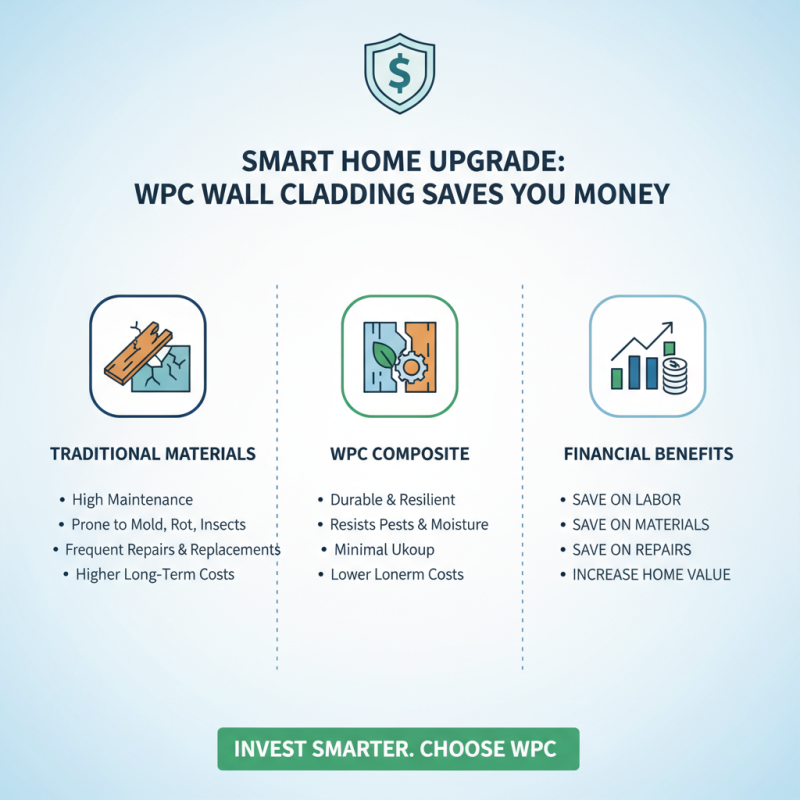
Cost-effectiveness is a crucial factor for homeowners considering indoor wall cladding options. WPC, or wood-plastic composite, offers significant long-term financial benefits. With its durability, WPC requires minimal maintenance. Unlike traditional materials, it resists mold, rot, and insects. This means you save money on repairs and replacements over time.
Investing in WPC indoor wall cladding can lower your overall costs. While the initial price may be higher than standard options, the longevity of WPC pays off. You won't need to repaint or refinish as often. Many homeowners overlook this aspect and end up spending more on upkeep.
Another financial aspect is energy efficiency. WPC materials provide good insulation. This leads to lower heating and cooling bills. Moreover, their lightweight nature can reduce installation costs. However, some might find the aesthetic appeal lacking compared to natural wood. It's essential to weigh these factors. In the end, WPC can be a smart choice if you want to save in the long run.