What are the Benefits of Bamboo Slat Wall Panels in 2026?
In 2026, the trend of using Bamboo Slat Wall Panels is on the rise. These panels offer a blend of aesthetics and sustainability. As John Sanders, an industry expert, stated, “Bamboo panels bring a unique warmth and eco-friendliness to any space.” This innovative material captures attention for both its design and environmental benefits.
Bamboo Slat Wall Panels are not just visually striking; they also provide insulation and sound absorption. Designers are realizing their potential for creating warm, inviting spaces. However, challenges exist. The market is still maturing, and quality can vary significantly between suppliers. Buyers must remain vigilant.
As consumers become more eco-conscious, the demand for sustainable building materials increases. Bamboo Slat Wall Panels meet this need. However, some might question their long-term durability. While bamboo is a strong material, it is essential to consider care and maintenance. Reflecting on these points can guide better purchasing decisions.
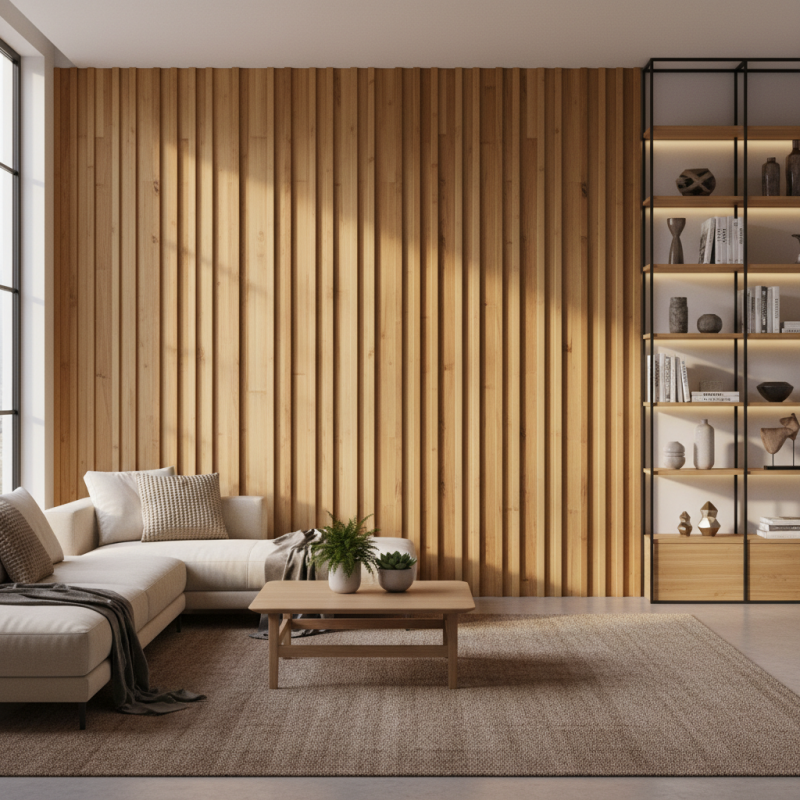
Benefits of Bamboo Slat Wall Panels for Interior Design in 2026
Bamboo slat wall panels are increasingly gaining popularity in interior design in 2026. They offer a unique blend of sustainability and style. The natural texture of bamboo adds warmth to any space. These panels can transform a dull wall into a stunning focal point. They create an inviting atmosphere while promoting eco-friendliness.
Their installation process can be tricky. Some homeowners may struggle to align the slats perfectly. A gap here or there could disrupt the overall look. Yet, this challenge encourages creativity in design. Mixing various wood tones or incorporating lighting can enhance their aesthetic appeal.
Bamboo panels are also durable. They resist moisture, making them suitable for kitchens and bathrooms. However, over time, they may show wear and tear. Regular maintenance is essential to preserve their beauty. While they are a fantastic choice for modern homes, the long-term commitment to upkeep might give some pause.
Sustainability and Environmental Impact of Bamboo Materials
Bamboo slat wall panels offer remarkable benefits, especially when we consider their sustainability. Bamboo is a rapidly renewable resource, growing up to three feet a day. This growth rate significantly reduces deforestation, making bamboo an eco-friendly choice. According to the World Wildlife Fund, bamboo can sequester carbon dioxide at a rate 30% higher than many hardwood species. This aspect plays a substantial role in reducing our carbon footprint.
Tips: Consider using bamboo materials in your next project. They can enhance aesthetic appeal while benefiting the environment. Also, research local suppliers to ensure your bamboo is sustainably harvested.
Despite these advantages, there are challenges. Not all bamboo production practices are sustainable. In some regions, unsustainable farming leads to habitat loss. Consumers must be cautious. Industry experts recommend looking for certifications that guarantee ethical sourcing.
Tips: Always ask about sourcing when purchasing bamboo products. Knowledge is power. Small changes in material choices can create a larger impact.
Aesthetic Advantages of Bamboo Slat Wall Panels in Modern Spaces
Bamboo slat wall panels are gaining popularity in modern interior design. Their unique aesthetic offers a blend of natural beauty and contemporary style. In 2026, many designers are embracing bamboo for its versatility. According to a recent industry report, the market for sustainable materials is projected to grow by 10% annually. Bamboo stands out due to its fast growth and renewability.
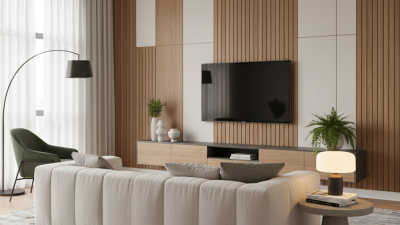
Incorporating bamboo panels can create a calming atmosphere. The texture adds depth and interest without overwhelming a space. Whether in a living room or office, these panels contribute to a cozy, inviting environment. Visual research indicates that wood-like finishes can reduce stress and enhance mood. Bamboo's natural pattern promotes a sense of tranquility.
Tips: Consider using bamboo slat panels to accentuate a feature wall. Balance the design with minimal furniture to maintain spaciousness. To maximize impact, integrate soft lighting that highlights the bamboo's texture and color. Be mindful of overusing patterns; simplicity often yields the best results. Embrace the natural imperfections in bamboo's grain, which adds character and authenticity to any space.
What are the Benefits of Bamboo Slat Wall Panels in 2026? - Aesthetic Advantages of Bamboo Slat Wall Panels in Modern Spaces
| Feature |
Description |
Benefits |
| Eco-Friendliness |
Bamboo is a rapidly renewable resource, making it a sustainable choice. |
Reduces carbon footprint and supports environmental conservation. |
| Aesthetic Appeal |
Bamboo slat panels provide a modern, natural look suited for various designs. |
Enhances the overall ambiance of a space, making it more inviting. |
| Versatility |
Can be used in residential, commercial, and outdoor settings. |
Fits various interior styles, from minimalist to bohemian. |
| Sound Absorption |
Bamboo panels help to reduce noise levels in a room. |
Creates a quieter and more comfortable environment. |
| Durability |
Resistant to moisture and pests, ensuring longevity. |
Lowers maintenance costs over time. |
Cost-Effectiveness: Evaluating the Long-Term Savings of Bamboo Panels
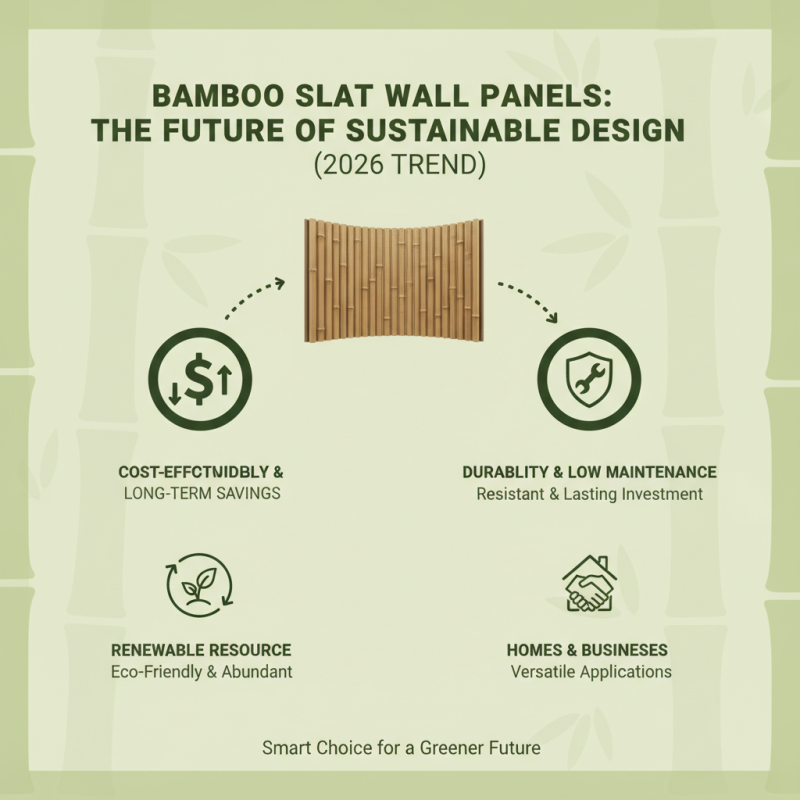
Bamboo slat wall panels are becoming popular in various spaces. Their cost-effectiveness is a key reason for this trend. In 2026, homes and businesses will find these panels provide long-term savings that stand out among other materials. Bamboo is renewable, reducing the need for frequent replacements. This durability translates into lower maintenance costs over time.
Installing bamboo panels may require a higher initial investment. However, they can lead to lower heating and cooling bills. Bamboo has natural insulation properties, keeping spaces comfortable without the need for excessive energy. Customers can save not only on the panels but also on future energy costs.
**Tip:** Consider the specific area of installation. Light-colored bamboo may reduce lighting expenses.
Bamboo is resistant to moisture and pests, which lowers repair costs. Those benefits can sometimes overshadow the initial price. Yet, some might worry about the sourcing and environmental impact. It’s essential to choose panels that meet sustainable standards.
**Tip:** Research local suppliers who prioritize eco-friendly practices. Look for certifications that indicate sustainability.
Versatility of Bamboo Slat Wall Panels in Various Applications and Styles
Bamboo slat wall panels showcase incredible versatility in various applications. These panels can fit seamlessly into residential and commercial environments. With their natural aesthetic, they appeal to homeowners aiming for eco-friendly design. According to a 2025 market report, bamboo products are projected to grow by 20% annually. This growth reflects their increasing popularity in sustainable architecture.
From offices to retail spaces, bamboo slat wall panels serve diverse styles. They can enhance the warmth of a rustic interior while aligning with modern minimalism. Despite their durability, some users may find installation challenging. Proper handling and acclimatization are essential. Not every project may emphasize the eco-friendly aspect, which can lead to a missed opportunity.
It's crucial to consider maintenance. While bamboo is naturally resistant to moisture, neglect can lead to degradation over time. Regular care extends the panels’ lifespan. Many builders overlook these maintenance needs in the rush of new projects. A well-maintained bamboo panel can transform any space, making it an excellent choice for both beautification and sustainability.
Benefits of Bamboo Slat Wall Panels in 2026