2026 Top Wpc Wood Slat Panel Trends for Global Buyers?
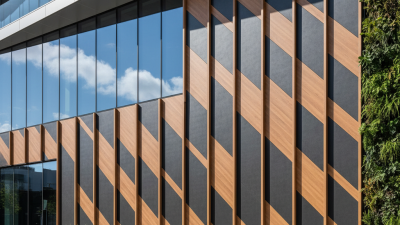
As the global market for Wpc Wood Slat Panels expands, trends suggest a significant evolution in design and functionality. In 2026, buyers will witness advancements that prioritize sustainability and aesthetic appeal. According to a recent report by MarketsandMarkets, the Wpc wood panel market is expected to reach USD 4.24 billion by 2026, reflecting a compound annual growth rate (CAGR) of 10.5%. This growth highlights the increasing demand for environmentally friendly building materials.
Industry expert Dr. Emily Chen notes, “Wpc Wood Slat Panels are revolutionizing how we think about outdoor and indoor applications.” Her insight underlines the product's versatility and increasing appeal across various industries. As consumer preferences shift, integrating innovative designs with eco-friendly materials becomes essential.
While Wpc Wood Slat Panels gain momentum, some challenges persist. Issues like sourcing sustainable materials and ensuring long-term durability remain paramount. Buyers must navigate these complexities to make informed decisions. The industry faces a pivotal moment where responsiveness to market demands will define future trajectories. Understanding these trends will empower buyers to invest wisely in this evolving segment.
2026 Forecast: Emerging Trends in WPC Wood Slat Panels Worldwide
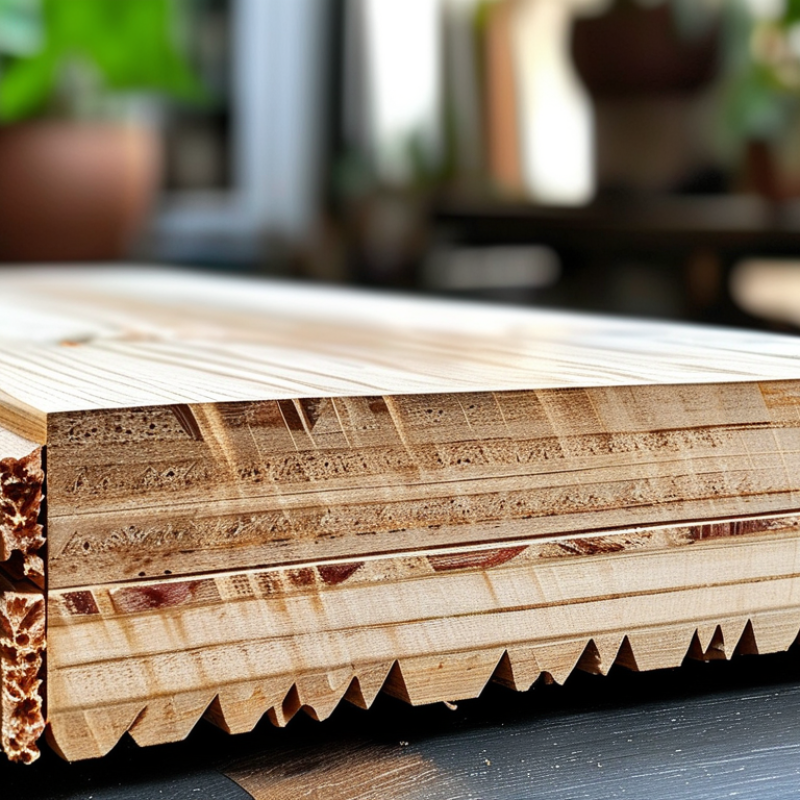
As we look ahead to 2026, WPC wood slat panels are set to evolve in exciting ways. Emerging trends indicate a shift towards sustainable materials. Buyers worldwide are increasingly prioritizing eco-friendly options. Recycling and low-carbon footprints will take center stage. This focus aligns with global sustainability goals.
The aesthetic appeal of wood slat panels will also change. Textures and finishes that mimic natural wood grain are gaining traction. Expect to see a blend of matte and glossy effects. This evolution allows for more creative applications in various settings, from interior designs to outdoor spaces.
Tips: Consider the color palette when choosing wood slat panels. Shades of gray and earthy tones are popular choices for modern looks. Additionally, explore innovative installation methods. These methods can enhance the visual impact and functionality of panels. Be aware, though, that not all installations are straightforward. It requires planning and skill to achieve a flawless finish.
Sustainability: Eco-friendly Materials and Innovations in WPC Production
As the demand for eco-friendly materials rises, the wood plastic composite (WPC) market is evolving. Innovations in WPC production are crucial for sustainability. Reports suggest that the global WPC market is expected to reach $9.2 billion by 2026, driven by eco-conscious consumer behavior. The use of recycled materials in WPC is gaining traction, with wood fibers and plastics sourced from post-consumer waste. This approach not only reduces landfill waste but also lowers the carbon footprint of products.
Sustainable practices in WPC manufacturing often focus on minimizing environmental impacts. Innovative technologies have emerged, reducing energy consumption by up to 30% in production processes. However, there are challenges. The sourcing of high-quality, sustainable raw materials can be inconsistent, affecting the overall reliability of WPC products. Adapting to these challenges is essential for meeting customer expectations.
Industry experts emphasize the importance of transparency in production. Brands must communicate their sustainability efforts effectively. A recent survey reveals that 76% of consumers prefer eco-friendly products, but many remain unaware of the benefits of WPC. Educating the market on these advantages is vital. The future of WPC hinges on balancing innovation with the fundamental goal of sustainability.
Market Analysis: Growth Rate and Demand for Wood Slat Panels
The market for wood slat panels is experiencing significant growth. As consumers shift towards sustainable building materials, demand for these panels rises. Wood slat paneling offers not only aesthetic appeal but also environmental benefits. Its lightweight nature makes it a popular choice for designers and architects.
According to recent analyses, the growth rate in the wood slat panel sector is impressive. Global buyers are increasingly interested in incorporating these panels into their projects. This trend indicates a shift towards eco-friendly materials in construction. However, production challenges remain. Sourcing quality timber and maintaining sustainability can complicate supply chains.
Understanding the consumer's changing preferences is vital. Buyers seek unique designs that enhance spaces. Yet, it’s essential to remain critical of sourcing practices. Can the industry balance aesthetics with sustainability? Continuous reflection on these practices will shape the future of wood slat panels.
Design Trends: Aesthetic Preferences in Global WPC Applications
Wood plastic composite (WPC) slat panels are gaining popularity in design trends worldwide. As global preferences evolve, aesthetics play a crucial role in their applications. In modern architecture, WPC panels offer both functionality and elegance. They mimic the look of natural wood while providing durability and weather resistance.
Homeowners lean toward earthy tones and textures that blend with nature. Natural hues create a calming environment. Incorporating varied finishes can enhance depth and interest. Overlaying matte and gloss finishes may evoke a sleek or rustic vibe. Light-grain woods and dark-stained options can appeal to different tastes.
Tips: When choosing WPC slat panels, consider the overall theme of your space. Ensure the texture aligns with your desired ambiance. Experiment with color combinations for a unique look. Installing panels with varying orientations can add dimension.
WPC panels can also evoke nostalgia and warmth. However, the balance between innovation and tradition requires thoughtful consideration. Some designs may not perfectly fit modern settings. Reflect on how different styles resonate with your personal preferences. Each project offers an opportunity to explore creativity and identity through design.
2026 Top WPC Wood Slat Panel Trends for Global Buyers
| Trend |
Description |
Market Preference |
Application Area |
| Sustainable Materials |
Increase in demand for eco-friendly WPC options. |
High |
Residential and Commercial |
| Textured Finishes |
Consumers prefer authentic-looking wood textures over smooth finishes. |
Medium |
Interior Design |
| Customizable Designs |
Demand for panels that can be tailored to specific project needs. |
High |
Commercial Spaces |
| Natural Color Palettes |
Preference for colors that mimic real wood shades. |
High |
Outdoor Settings |
| Ease of Installation |
Panels designed for quick and easy installation processes. |
Medium |
DIY Projects |
| Long-lasting Durability |
Focus on options that withstand various environmental conditions. |
High |
Fencing and Decking |
Technological Advances: Enhancements in WPC Wood Slat Manufacturing Process
The WPC wood slat panel market is evolving. Technological advances play a key role in its transformation. Enhanced manufacturing processes ensure higher quality and durability. These advancements lead to panels that withstand environmental stresses better. Improved production methods also increase efficiency, reducing waste significantly.
Tips: Consider the energy consumption of different manufacturing technologies. Opt for methods that are environmentally friendly. It’s essential to assess the sustainability of the products you choose.
Innovation in materials is also noteworthy. New composite formulations provide enhanced aesthetic options. These panels can mimic natural wood without the associated drawbacks. However, not all advancements guarantee excellence. Selecting the right technology can be challenging. It requires careful examination of the production details.
Tips: Conduct a thorough comparison of materials and finishes. This can prevent mistakes in your selection process. Engaging with experts in the field can provide valuable insights. Understanding these innovations leads to better purchasing decisions.