2026 Best WPC Decor Wall Panel Ideas for Stylish Interiors?
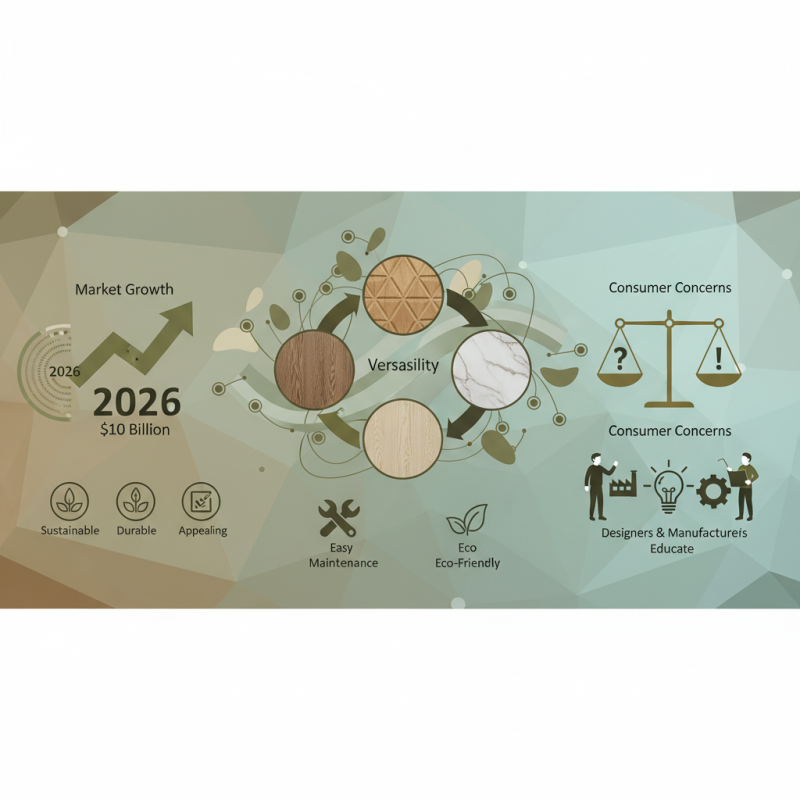
The trend of using WPC Decor Wall Panels is rapidly gaining traction in the interior design industry. According to a recent market report, the global demand for wood-plastic composites is projected to reach over $10 billion by 2026. This surge is driven by the need for sustainable, durable, and visually appealing materials in home and office spaces. WPC panels blend the beauty of wood with the resilience of plastic, making them an ideal choice for stylish interiors.
These panels are not only versatile but also easy to maintain. They come in various designs, colors, and textures, allowing homeowners to express their unique style. However, the market is not without its challenges. Some consumers remain hesitant due to misconceptions about the longevity and environmental impact of WPC materials. Addressing these concerns with clear information is essential for fostering trust in this innovative option.
Design professionals advocate for the use of WPC Decor Wall Panels as a practical solution for modern living spaces. They emphasize the importance of considering quality and sourcing. As the market evolves, the responsibility lies with designers and manufacturers to educate consumers about the benefits and limitations of WPC materials. This proactive approach will help shape a more informed and satisfied customer base in the years to come.
Top Trends in WPC Decor Wall Panels for 2026 Stylish Interiors
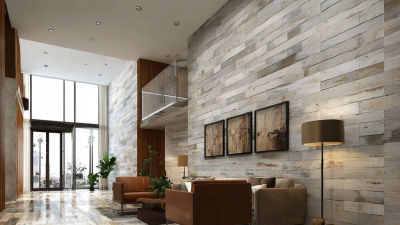
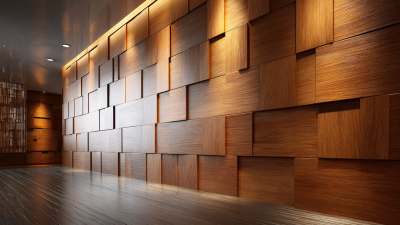
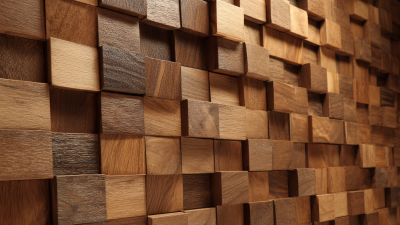
WPC decor wall panels are gaining momentum in the design world for 2026. This trend merges natural aesthetics with modern functionality. Inspired by wood textures, these panels offer a warm feel while being durable and easy to maintain. Colors range from deep browns to light grays, matching diverse interior themes.
The unique aspect of WPC panels is their adaptability. They can be easily installed in living rooms, offices, and even kitchens. Adding texture to walls can dramatically change the atmosphere of a room. Experimenting with panel layouts can create stunning focal points. Consider mixing horizontal and vertical designs for added intrigue.
However, achieving a balanced look can be tricky. Too many patterns can overwhelm a space. It’s essential to select the right colors and textures to avoid this pitfall. Choosing panels that reflect personal style while enhancing the overall interior is key. A few bold choices can elevate a room’s design significantly.
Key Benefits of Using WPC Panels in Modern Interior Design
WPC panels offer a unique blend of style and durability, making them ideal for modern interiors. These panels are made from wood-plastic composites, ensuring resistance to moisture and insects. This feature is particularly beneficial in areas prone to humidity, such as kitchens and bathrooms. They come in various textures and colors, allowing for endless design possibilities.
One key advantage of WPC panels is their ease of installation. Homeowners and designers can tackle projects quickly without professional help. Additionally, they require minimal maintenance when compared to traditional wood materials. Simply wipe them clean, and they'll maintain their aesthetic appeal.
Tip: When choosing WPC panels, consider samples. This helps you visualize how they fit into your space. Don't be afraid to mix different textures for a more dynamically look. Experimentation can lead to unexpected design successes. Remember, every choice adds character, but make sure it aligns with your overall vision.
Sustainable Materials: The Environmental Impact of WPC Wall Panels
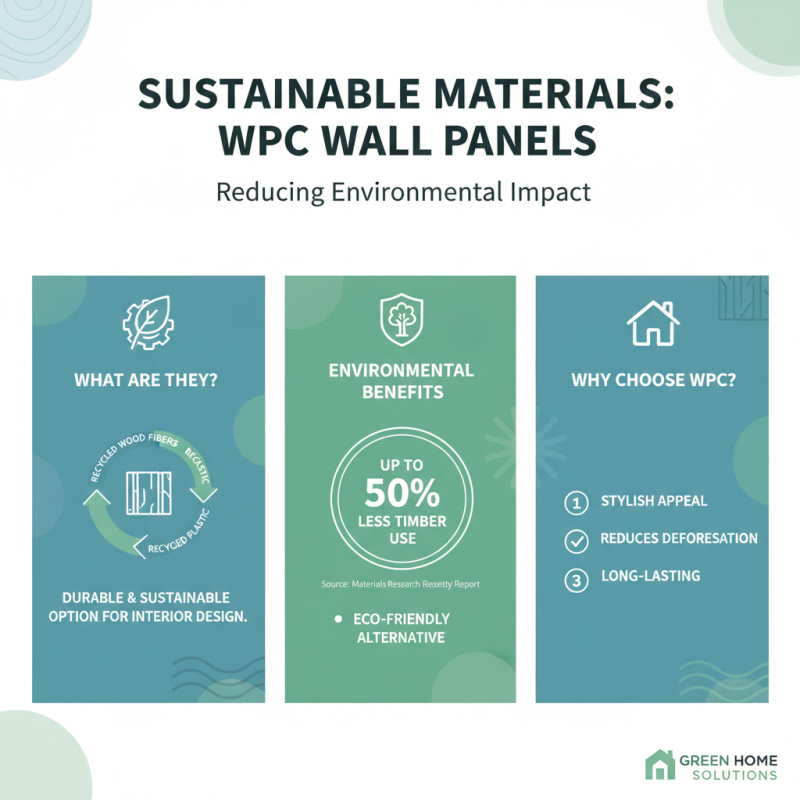
WPC, or wood-plastic composite, wall panels are gaining attention for their stylish appeal and environmental benefits. These panels combine recycled wood fibers and plastic, creating a durable and sustainable option for interior design. A recent report from the Materials Research Society noted that WPCs can reduce timber use by up to 50%, making them an eco-friendly alternative.
Sustainable practices in the building materials industry are essential. The Life Cycle Assessment (LCA) of WPC states that its production emits 30% less carbon dioxide compared to traditional materials. This significant reduction highlights the potential of WPC to combat climate change. However, one must consider the types of plastics used in the composites. Not all plastics are environmentally friendly, and sourcing quality materials remains a challenge.
**Tip:** When selecting WPC panels, look for certifications that verify sustainable practices.
Moreover, while WPC panels have advantages, they are not entirely without flaws. Some panels may be susceptible to fading and require proper maintenance. Users must be cautious with heavy loads, as excessive weight can compromise integrity.
**Tip:** Regularly inspect your panels to ensure longevity.
Choosing WPC wall panels can enhance your space while supporting sustainability. By making informed decisions, you contribute to a more eco-friendly future.
Installation Techniques for Enhancing WPC Wall Panel Aesthetics
When enhancing the aesthetics of WPC wall panels, choosing the right installation technique is crucial. The panels can create a stylish and modern atmosphere. One popular method is to mount the panels horizontally. This technique visually expands a room, making it appear larger. Using contrasting colors can add depth and dimension to the design.
Vertical installation is another great option. It draws the eye upwards, giving a sense of height. However, aligning the panels perfectly can be challenging. Small gaps can lead to an uneven look. Regular checks during installation are essential. For a more dynamic feel, consider adding geometric patterns or textures.
Lighting plays a significant role as well. Soft, indirect light can highlight the texture of the panels. This can create interesting shadows and enhance the visual appeal. Remember, imperfections in alignment might actually add character to the design if well-balanced. Experimenting with different approaches can lead to unique results that reflect personal style.
Cost Analysis: WPC Panels vs. Traditional Wall Covering Options
When considering wall coverings, WPC (Wood Plastic Composite) panels present an appealing option, particularly in terms of cost-effectiveness. A recent industry report reveals that WPC panels can save homeowners up to 30% compared to traditional materials such as wood and drywall. This cost advantage is primarily due to their durability and reduced maintenance needs. WPC panels are resistant to moisture and pests, leading to lower long-term expenses.
In a deeper analysis, the initial investment in WPC panels is often higher than standard options. However, their lifespan often exceeds that of conventional materials. Research indicates that WPC panels can last 25 years or more with proper care, while traditional options may require replacement sooner. This durability translates to fewer costs over time. Additionally, installation is typically faster, further reducing labor expenses.
While WPC offers many benefits, some homeowners express concerns about aesthetics. Despite this, innovative designs and finishes are continuously evolving to match various styles. The right choice depends on individual preferences and budget considerations. Balancing upfront costs with long-term value remains crucial in the decision-making process for stylish interiors.